daniel chigunwe
Elita Chikwati–Senior Reporter
THE Government has called for partnership in the media to build a robust communication and ensure universal access to information, employment creation and professionalism, Information, Publicity and Broadcasting Services Minister Monica Mutsvangwa said.
Journalists were also urged to be responsible when reporting to contribute towards the development of the nation.
Minister Mutsvangwa said bridging the urban and rural information divide and ensuring that all citizens have access to information remained the top priority of projects to be implemented by Government.
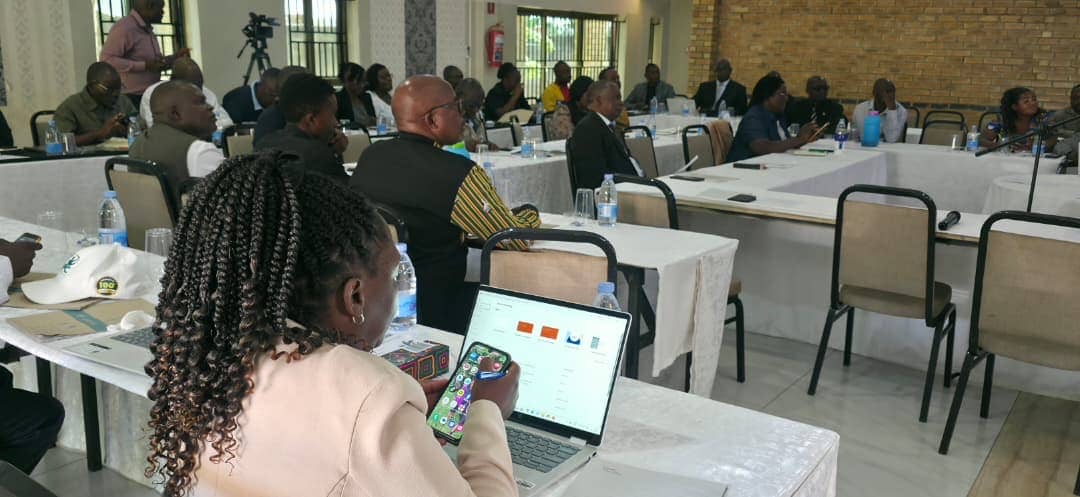
She said this at the Zimbabwe Media Policy Symposium organised by Konrad-Adenauer-Stiftung Foundation.
The symposium was meant to convene Government, media, civil society, academia and business to have a constructive engagement on the country’s media policy reform agenda with a view of taking stock of the second administration’s performance in the media policy sphere.
Minister Mutsvangwa said access to information provided an opportunity for public — private and reinforces the culture of transparency and openness.
“By the same measure, Government expects our media to be professional and accountable to the citizens of Zimbabwe.
“At the end of the day, they must appreciate that they are Zimbabweans first and they have a responsibility towards contributing to the development of their country.
“They cannot be bystanders as if they don’t belong. Let us all respect the division of labour mindful of the fact that it is the sum total of all our efforts that will make our country great,” she said.
She said Government valued the role played by the media in dissemination of information and was committed to improve the working environment of journalists.
“Government is at hand to give assistance and support to the media to ensure that they carry out their work unimpeded in a peaceful working environment. After all, access to information and freedom of expression are guaranteed by our Constitution.
“Ministry is working on the Media Practitioners draft Bill in which it embraces the principle of co-regulation after its approval by Cabinet.
“The principle of co-regulation is one way of ensuring that the media is democratically held accountable without fear of violence or any harm to media personnel.
“The common understanding is that the Media Practitioners Bill will encompass media governance or regulation, providing for the registration of media houses, accreditation of journalists and a framework for disciplining media practitioners who would have breached a code of conduct applicable to the,” she said.
Konrad country director, Mrs Annah Hoffman Kwanga said the media industry should move with time and not be left behind.
“The world has become so complex. We now have new spheres of information and media. We should talk about the role of policy in guiding the media,” she said.
Sunday Mail editor, Victoria Ruzvidzo said regulation was important in the media to ensure orderliness.
“As journalists we make mistakes and it is proper if there is a board that regulates us. There is need to self-regulate and co-regulate between media houses and bodies such as the ZMC,” she said.
Media Institute of Southern Africa (MISA) national chairperson, Mr Godwin Maunganidze of the MISA said applauded Government for the reforms that had seen the licensing of several radio and television stations but urged Government to take measures to guarantee safety of journalists when discharging their duties.


 Online Reporter