This handout picture released on May 20, 2017 by PGDBA & HND Mass Communication shows family members crying while being reunited with the released Chibok girls in Abuja on May 20, 2017.
Boko Haram kidnapped 276 students from the Government Girls Secondary School in the remote town in Borno state on the evening of April 14, 2014. Fifty-seven escaped in the hours that followed but 219 were not so lucky. Since then, 106 girls have been found, rescued or released, including 82 who were freed earlier this month in a prisoner swap deal for a number of Boko Haram suspects in custody.
/ AFP PHOTO / PGDBA & HND Mass Communication / SUNDAY AGHAEZE / RESTRICTED TO EDITORIAL USE - MANDATORY CREDIT "AFP PHOTO / HO/ PGDBA&HND MASS COMMUNICATION/ SUNDAY AGHAEZE" - NO MARKETING NO ADVERTISING CAMPAIGNS - DISTRIBUTED AS A SERVICE TO CLIENTS
Family members cry while being reunited with the released Chibok girls in Abuja on Saturday. — AFP
ABUJA. — There were emotional scenes on Saturday as 82 kidnapped Chibok girls released by Boko Haram Islamists earlier this month were reunited with their parents.
At the reunion held in Nigeria’s capital of Abuja, fathers gripped their daughters in tight hugs, while mothers shrieked with joy, wiping away tears streaming from their eyes.
One beaming father picked his daughter up and swung her around in the air.
They hadn’t seen each other since April 2014, when the jihadists snatched over 200 schoolgirls from their dormitories in northeast Nigeria.
“I’m feeling very happy, I was dancing with her, she’s very happy,” said Yakubu Nkeki, whose niece Maimuna — who he has raised as his own child — was among the 82 released.
“Everyone was dancing today, even the old ones, everyone was dancing,” Nkeki told AFP.
“All of us had lost hope, we thought the girls would not be returned.” — AFP.
Kingstone Mapupu Senior Reporter A woman from Mberengwa has been arrested on a murder charge after allegedly killing her 61-year-old husband with a farm brick during a domestic dispute. Thokozani…
Tafadzwa Zimoyo Zimpapers Entertainment Editor Malian music legend Salif Keita has arrived in Harare ahead of the much-anticipated Ecobank Legends Night scheduled for this weekend at Alex Park Sports Club.…


 admin
admin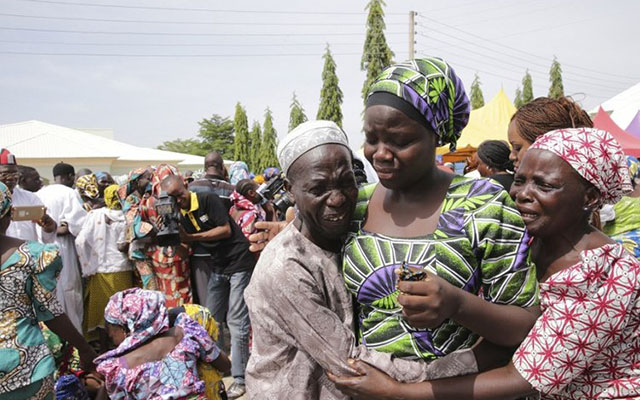


 Online Reporter