Chronicle Editor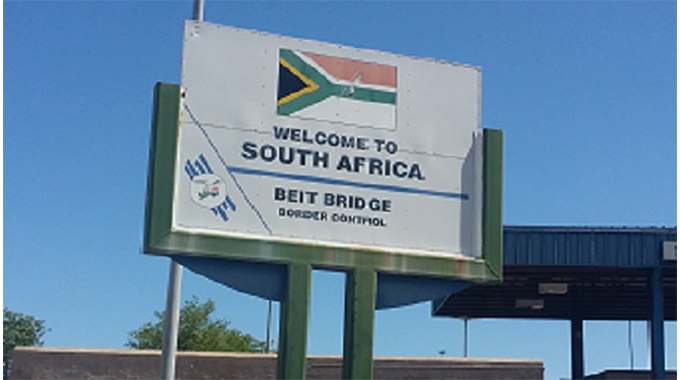
Mashudu Netsianda, Senior Reporter
SOUTH Africa has announced that Beitbridge Border Post, including 19 other inland ports of entry, will reopen on Monday to the generality of travellers.
However, on the Zimbabwean side, the border remains closed to general human travel as part of the level four lockdown regulations.
Zimbabwe closed its borders to general human traffic on January 3.
The closure of Beitbridge Border Post, the busiest inland port of entry in sub-Saharan Africa that is shared by Zimbabwe and South Africa, affects mostly Zimbabweans who relied on cross-border travel.
The President is on Monday expected to announce new lockdown measures with the current regulations expiring at midday.
South Africa closed its borders with Zimbabwe, Botswana, Lesotho, Eswatini, Namibia and Mozambique on January 11 as part of measures to control the spread of a new strain of the Covid-19 pandemic.
However, despite the closure of the borders, people were still allowed to move for purposes of transportation of fuel, cargo and goods, and emergency medical attention for a life-threatening condition.
South African Home Affairs Minister Dr Aaron Motsoaledi, his deputy Njabulo Nzuza and director-general Mr Tommy Makhode will visit the four busiest border posts for the reopening.
In a statement, Dr Motsoaledi said:
“We appeal to travellers to ensure that they have all the requisite travel documents, including valid Covid-19 tests, when they present themselves to officials at our borders. Truck drivers should adhere to laws, regulations and agreements in place in the border area,” he said.
“This will go a long way in minimising congestion.”
Dr Motsoaledi said the management of people through borders remained an important part of South Africa’s strategy to control the spread of Covid-19.
“In the past four weeks the department has increased its engagements with officials in neighbouring countries, provinces with land borders and other stakeholders to improve co-ordination of efforts. The aim of these engagements was to share plans and ensure seamless movement of travellers and goods to minimise the chances of border crossings being super-spreader events,” he said.



 Online Reporter