Online Reporter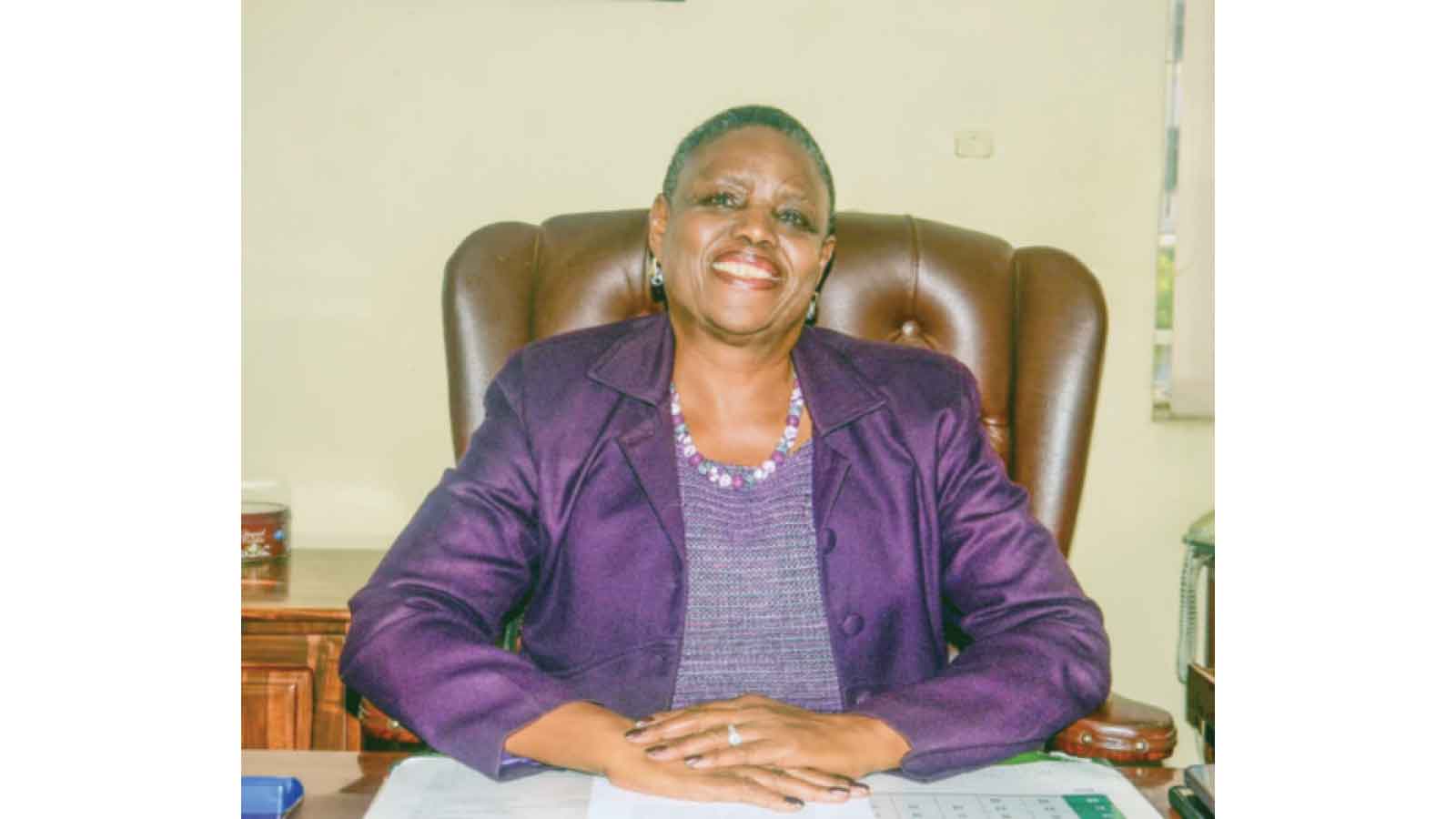
Zimbabwe’s Judiciary has reached another historic milestone following the appointment of Supreme Court Judge, Justice Lavender Makoni, to the COMESA Court of Justice, making her the first Zimbabwean woman to serve on the regional bench. In this exclusive interview with Herald Court Correspondent Yeukai Karengezeka-Chisepo (YKC), Justice Makoni (JM) reflects on her distinguished journey in the legal profession, the challenges and achievements that have shaped her career and the significance of becoming the first Zimbabwean woman to attain this prestigious regional judicial appointment. Below are excerpts from the interview:
YKC: Justice Makoni, what went through your mind when you learnt of your appointment to represent Zimbabwe at the COMESA Court of Justice?
JM: Elated, but at the same time humbled by it all
YKC: What does this appointment mean to you personally and professionally?
JM: Personally, I took it as a recognition of the hard work, commitment and enthusiasm that I exhibit in my work every day. Professionally, this appointment provides me with an opportunity to interact with fellow jurists from various jurisdictions and exchange ideas. I also hope that it will open doors for me to scale greater heights in my career.
YKC: As the first Zimbabwean woman appointed to the COMESA Court of Justice, what message does this send to women in the legal profession?
JM: Judging by the congratulatory messages that I received from fellow women in the legal profession, my appointment gives them hope and encouragement that our contributions to the justice delivery systems are now being accorded due recognition. It sends a strong message that women can rise to the highest levels of the Judiciary through hard work, competence, and integrity. I hope it inspires young women in the legal profession to pursue their ambitions with confidence, knowing that leadership opportunities are within their reach.
YKC: What responsibilities come with representing Zimbabwe at a regional judicial level?
JM: The responsibility is immense. When serving at a regional judicial level, you are carrying the reputation and flag of Zimbabwe on your shoulders. You are expected to uphold the highest standards of integrity, professionalism, impartiality, and judicial excellence. Beyond representing yourself, your decisions and conduct reflect on Zimbabwe’s legal system and Judiciary.
It is, therefore, important to contribute meaningfully to the development of regional jurisprudence, promote the rule of law, and ensure that justice is administered fairly and independently.
The role requires a deep commitment to serving the people of the COMESA region, while maintaining the values and principles that Zimbabwe stands for.
YKC: For people who may not fully understand the role of the COMESA Court of Justice, can you explain its mandate?
JM: I think I should start by explaining what COMESA is, as most people, lawyers included, are not aware of its existence. COMESA stands for the Common Market for Eastern and Southern Africa.
It is the largest regional economic grouping in Africa, made up of 21 countries, which came together and signed an agreement known as the COMESA Treaty. The COMESA Court of Justice is the judicial organ of COMESA established under Article 19 of the treaty. Its primary role is to uphold the rule of law, which is recognised under Article 6 of the treaty, through a fair interpretation and application of the treaty.
A simple example of one of the functions of the COMESA Court of Justice is the settlement of disputes that arise among member states regarding the interpretation and application of the COMESA treaty.
YKC: What are some of the major legal or trade issues handled by the court.
JM: The institutional reality of regional integration is that member states undertake legal obligations under the COMESA treaty and, from time to time, disagreements arise regarding the interpretation, application or implementation of those obligations.
The COMESA Court of Justice ensures adherence to law in the interpretation and application of the treaty. In practice, the court deals with disputes concerning compliance with treaty obligations, the legality of actions taken by member states and COMESA institutions, and references brought by natural and legal persons where rights arising under the treaty are affected.
The court also hears matters relating to trade liberalisation, customs duties, non-tariff barriers, competition, national treatment, most-favoured-nation treatment, free movement, and other issues arising from the operation of the common market.
The court’s role is not merely to resolve disputes after they arise. Its judgments and advisory opinions provide legal clarity that assists member states, businesses and citizens in understanding their rights and obligations under the COMESA legal framework. In this way, the court contributes to legal certainty and the orderly functioning of the common market.
YKC: How important is the court in promoting regional integration among COMESA member states?
JM: Regional integration is ultimately implemented through rules. Those rules must be interpreted consistently and applied fairly if member states are to have confidence in the integration process. The COMESA court of justice provides the judicial mechanism through which this confidence is maintained. The court promotes regional integration by ensuring that the provisions of the treaty are interpreted uniformly across all member states. It provides an independent forum for the peaceful resolution of disputes and reinforces the rule of law as a, fundamental principle of COMESA.
The practical effect is that member states, investors, businesses and citizens can participate in the regional market with greater certainty and predictability. Where legal questions arise, there is an authoritative institution capable of providing clarification.
This strengthens confidence in COMESA institutions and supports the achievement of the common market’s objectives under articles 3 and 4 of the treaty. The court therefore serves as both a dispute-resolution mechanism and a guarantor of the legal framework upon which regional integration depends.
YKC: What impact can fair and effective regional justice systems have on economic development in Africa?
JM: Economic development requires more than markets and infrastructure. It also requires confidence that rights, obligations and commercial expectations will be protected through fair and predictable legal processes. A fair and effective regional justice system reduces legal uncertainty in cross-border transactions, encourages investment, supports compliance with regional obligations and provides peaceful mechanisms for resolving disputes.
This is particularly important in regional economic communities where trade, investment and the movement of people increasingly occur across national borders. When businesses and investors know that disputes can be resolved impartially and according to established legal principles, they are more willing to invest, expand operations and engage in regional trade.
This contributes to economic growth, job creation and greater economic cooperation among member states. From a regional integration perspective, effective regional courts help ensure that commitments made by member states are respected and implemented. The result is a more stable and predictable economic environment, which is essential for achieving the developmental objectives set out in Article 3 of the COMESA treaty and for advancing Africa’s broader integration agenda.
YKC: On women in leadership and the Judiciary, women in the justice sector continue to break barriers. What challenges have you faced as a woman rising through the Judiciary?
JM: Like many women who find themselves in previously male-dominated spaces, I encountered challenges related to stereotypes, unconscious bias, and the need to continually prove my capabilities.
At times, women in leadership positions are held to different standards and face greater scrutiny than their male counterparts. Balancing professional responsibilities with family and personal commitments can also present unique challenges.
However, these experiences strengthened my resilience, determination, and confidence. I remained focused on excellence, integrity, and delivering results, and I am encouraged to see that the legal profession is becoming increasingly inclusive, with more opportunities for women to lead and contribute at the highest levels.
YKC: You recently spoke about women supporting each other. Why is mentorship and unity among women important?
JM: Mentorship and unity among women are important because they create pathways for growth, confidence, and success. Women who have navigated challenges and broken barriers can provide guidance, encouragement, and practical support to those coming behind them.
I can personally attest to the value of that support. I would not be where I am today without the many women who have encouraged, mentored, and supported me throughout my journey, both professionally and personally. Their guidance, wisdom, and belief in my abilities helped me navigate challenges and seize opportunities that shaped my career.
By supporting one another, sharing opportunities, and celebrating each other’s achievements, women help create a more inclusive and empowering environment where everyone can thrive. When women are united, they are better able to amplify their voices, overcome common challenges, and inspire the next generation of leaders to pursue their goals without limitation.
YKC: When did you first realise you wanted to pursue a career in law?
JM: I realised from a young age that I wanted more than the limited opportunities that were often available to girls growing up in rural areas, where many ended up as wives simply because education and other opportunities were out of reach.
I was fortunate to have a father who strongly believed in the right of the girl child to go to school, even when that was not the norm, and his support inspired me to excel and believe in my own potential. My mother was equally influential, she was enterprising, hardworking, and determined that her daughters could aspire to more than marriage.
Together, they instilled in me the confidence to stand up for myself and the determination to succeed. Those experiences inspired my desire not only to pursue a career in law but also to advocate for others, particularly women and girls, which is why I later pursued a diploma in women’s law even after qualifying as a lawyer.
YKC: Who inspired or mentored you during your journey?
JM: As I have mentioned, my parents played a significant role in shaping my values and aspirations, instilling in me a belief in the power of education, hard work, and perseverance. Throughout my professional journey, my husband, Andrew Mathias Nyasha Makoni, has been a constant source of support and mentorship. From our time serving together as prosecutors to later establishing and growing our law firm together, he has encouraged me, shared his expertise, and supported me in every endeavour.
His guidance and unwavering belief in my abilities have contributed greatly to where I am today. I have also been fortunate to be part of a community of remarkable women in the judiciary who have consistently supported, mentored, and uplifted one another.
Women such as Chief Justice Elizabeth Gwaunza and many others on the bench have helped create a culture of mutual support and excellence, where we build each other up and create opportunities for one another to succeed.
YKC: What has been the most memorable moment of your legal career so far?
JM: The most memorable moment of my legal career was my appointment to the bench as a High Court judge. It was a deeply humbling milestone that represented not only personal achievement but also the culmination of years of hard work, sacrifice, and dedication to the law.
More importantly, it gave me an opportunity to contribute meaningfully to the administration of justice, to stand up for the rights of the vulnerable and marginalised, and to serve my country at the highest level. It was a moment that reaffirmed my commitment to ensuring that the law remains a tool for fairness, equality, and justice for all.
YKC: What keeps you motivated despite the pressures that come with judicial work?
JM: What keeps me motivated is my unwavering commitment to the pursuit of justice and the responsibility that comes with the positions I hold. I am conscious that I represent not only myself and my family, but also many women and girls who aspire to break barriers and achieve their full potential.
I am particularly inspired by my daughters and my granddaughter, Zara Kamuzonde, and by girls like her. I want them to know that with hard work, perseverance, and self-belief, there are no limits to what they can achieve.
I also recognise that my journey is part of a larger story — one that reflects the progress made by women of colour who come from backgrounds where, only a generation ago, opportunities were far more limited. Knowing that my role can help inspire future generations to dream bigger and believe that the world is theirs keeps me focused and motivated despite the pressures that come with judicial work.
YKC: Looking ahead, what would you like to achieve during your tenure at the COMESA court justice?
JM: Looking ahead, I would like to contribute meaningfully to the development of regional jurisprudence and the strengthening of the rule of law within the COMESA region. I am also keen to raise awareness within Zimbabwe’s legal fraternity about the existence of the COMESA court of justice and the important role it can play in advancing justice, resolving disputes, and promoting regional integration.
Many legal practitioners and citizens may not fully appreciate the court’s mandate and potential impact, and I hope to help bridge that gap.
Above all, I want to represent Zimbabwe with pride, diligence, and integrity, and to ensure that my contribution reflects the high standards of professionalism and excellence that our country is capable of offering on the regional stage.