admin
admin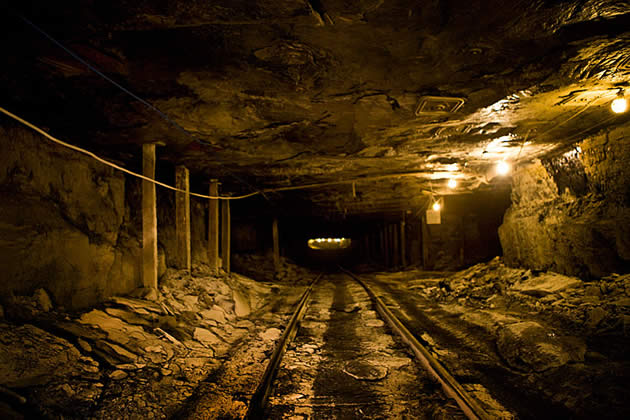
Arnold Mutemi Features Editor
TIMOTHY Mvula has a very personal and painful reminder of the closure of Kamativi Tin Mine 20 years ago. The gray-haired former mine worker turned to fishing to support his family when mining operations ceased. But one fateful day in 2008, an encounter with a crocodile in Kamativi Dam left him without his right leg. But despite now living with a disability, Mvula considers himself lucky. Many of his former colleagues who also took to fishing to eke a living never came out of the dam alive.
Dangerous crocodiles are known to lurk under the dam’s waters but the desire to sustain one’s family makes many ignore the risks.
The dam is now known to locals as DRC because it has claimed lives just as the country lost its soldiers during Operation Legitimate Sovereignty in the war prone central African country in 1998.
Life has been tough for the ex-miners since Kamativi closed down on the back of falling global tin prices.
“Life is difficult here. We are living from hand to mouth,” said Mvula who now walks with the aid of crutches.
At its peak, Kamativi Tin Mines, a one time biggest underground tin mine in Africa, employed 1,350 people and had sound infrastructure to support the workers and their dependants.
Its woes started around 1991 when 700 workers were retrenched due to falling commodity prices before eventual closure in June 1994.
While the mine does not resemble a ghost town, signs of disrepair are there for all to see.
Most affected are public amenities which have no one to look after.
The mine club, where senior managers used to relax after a hard day’s work, is now a goat pen. Goat droppings litter the once prestigious bar, while someone has removed compressors from the bar fridges.
Outside the club, the formerly lush green golf course and rugby pitch are overgrown with grass and can easily be mistaken for a pasture. The residential areas are in a better shape and appear well looked after.
Mvula said this was because the remaining former workers had taken good care of the houses and now want them to be transferred to sitting occupants under a home ownership scheme.
At the closure of the mine, the houses were handed over to Hwange Rural District Council which charges tenants a nominal rent.
Rent for a three-bedroomed house is about $15 a month. But for the struggling unemployed former workers without a regular source of income, this is a lot of money.
“The rent is fair, but where do you get the money?” asked Mvula rhetorically.
The residents owe Zesa more than $66,000 and the power utility has threatened to disconnect supplies unless the debt is settled.
As a result, most houses at the mine have been occupied by people from other places such as Harare and Bulawayo who saw an opportunity for cheap accommodation.
Prosper Valentine Dube, who was in secondary school at the time of closure of the mine, reckons youths of his generation were most affected by the demise of Kamativi Tin Mine.
Growing up, all he and his age mates ever wanted was to emulate their fathers and work in the shafts of Kamativi.
In fact, it was expected of them to join their fathers at the mine.
He said during the mine’s heydays, employment was almost guaranteed for dependants of mine workers.
But its closure forced many young people to migrate in search of hard to come by jobs in other places across the country and abroad.
Dube, who comes from Hwange district, once tried his luck in South Africa but these days spends his time at the mine.
“Growing up, I knew that coming out of school, it was a must to work for the mine. The closure of the mine was one kick,” he said.
He still harbours hopes the mine will one day reopen.
But like others at the mine, he is losing faith in potential investors who show intent to resume operations only to disappear after some time.
Over the years, Dube has seen potential investors come and do feasibility studies before going away, never to be seen again.
Since the closure in 1994, several potential investors have indicated a willingness to start mining operations at Kamativi but none of the proposals have materialised.
The latest proposal to resuscitate operations is from South African investors keen to inject $100 million into Kamativi to mine tungsten which is found in the area in large quantities.
“We have been hearing that the mine will re-open for the past 20 years,” said Mvula.
He said government should consider giving the tin claims at Kamativi to ex-workers so that they start mining co-operatives.
Mvula said if co-operatives were allowed to operate, they would look for their own markets.
Tin prices have been on the rebound due to high demand from resource hungry China.
When Kamativi closed, tin prices had fallen from about $10,000 a tonne to $4,000 which was considered unviable to run a profitable operation due to the low-grade ore mined at Kamativi.
However, an international financial advisor, BNP Paribas, projects that tin prices will shoot through the roof and hit the $25,000 a tonne mark this year.
At the closure of the mine, many co-operatives were formed but all have collapsed because the claims are owned by the Zimbabwe Mining Development Corporation.


 Online Reporter