admin
adminrange known as Kapiri Ngozi (Danger Moun-tain) have described it as: “driving in the valley of the shadow of death” because of its twists and turns, snaking down the Zambezi Escarp-ment in the final descent to Chirundu Border Post with neighbouring Zimbabwe.
In some case a freightliner – an enormous hissing and monoxide farting monster – crawls down at a snail’s pace on a single lane and sometimes causing an accident, adding to the number of hundreds of people who have been killed in the past at this death spot causing traffic jam for weeks.
But the picture today has changed following the rehabilitation of the Kapiri Ngozi area, the mountain range one of the three major national highways which has tremendously reduced travel time and costs, enhanced safety, and thus significantly contributed to economic growth as these are major trade links leading to the Democratic Republic of Congo (DRC) and Zimbabwe.
Roads Development Agency head of public relations Loyce Saili said the rehabilitation of the Kapiri Ngozi Road has improved the condition of the road network in Zambia and has contributed to poverty reduction through increased accessibility of rural communities and improvement of the national economy under the North-South Corridor Programme.
The Kafue-Chirundu Road is Zambia’s lifeline as goods and services such as copper are easily transported on time from the Copperbelt Province to South Africa through to the port for export on time.
The initiative is a Model Aid for Trade Programme that has enabled the Regional Economic Communities of COMESA, SADC, their member States and the international community to implement an economic corridor-based approach to reducing costs of cross-border trade in Sub-Saharan Africa.
It seeks to enable producers and traders to be more competitive, thereby creating higher levels of economic growth, employment creation and reduced poverty.
It also focuses on taking the necessary steps to ensure that adequate power supply is made available to support the growing demand from industrial, commercial and domestic consumers.
Ms Saili said the 34,7km stretch provides a less tense drive through the ‘valley of death’ as it has been widened into double lane and has produced a highway that has cheered many motorists and passengers on public transport who have described the road as in splendid state.
“The rehabilitation of the road has seen reduced travel time, less accidents and less cost of operating vehicles and improved safety as the section which was dangerous and caused accidents has been widened into four lanes,” she said.
The rehabilitated road has also put a big smile on the faces of locals running businesses such as fishmongers, lodge owners, transporters and truck drivers who have seen their business picking up.
Tapera Ngandini an assistant truck driver with Track On Haulage Company of Zimbabwe said the road used to be narrow and dangerous as it caused accidents and took time to negotiate through potholes.
“This road now is very good. You can even enjoy the mountain view while driving,” he said.
The World Bank in 2009 signed a credit facility of US$75 million for the Road Rehabilitation and Maintenance Programme (RRMP) phase II as part of its support to the Zambian Government’s 10-year (2004 – 2013) Road Sector Investment Programme (RoadSIP II).
Negotiations for RRMP Phase II between GRZ and IDA were successfully concluded in August last year, after which the credit was approved in October.
Zambia World Bank country manager Kapil Kapoor said the credit facility provided Zambia with financing for some activities such as the rehabilitation of the 50km Lusaka/ Chirundu Road, and the Mufuchani Bridge across the Kafue River in Kitwe, which will promote farming activities by providing connectivity and reducing travel time between the main Kitwe town and Mufuchani farming block.
Dr Kapoor was pleased by the programme because it would not only improve Zambia’s connectivity through the North-South corridor but would contribute to improving livelihoods in the agriculture sector.
Recently President Rupiah Banda commissioned the upgrading of the Landless-Mumbwa Road to cost K181 billion with assurance that similar projects will be extended to other parts of Zambia.
The project was important as it connects Mumbwa to the Great North Road and serves as a main arterial road in the local, national and regional transportation network.
Once upgraded the road would provide a shorter and reliable route for road users travelling from the north of Zambia to Mumbwa, Western Province and beyond.
The road would lead to the full exploitation of the agriculture potential in the area.
With such rehabilitation of roads travel time is expected to reduce, less accidents and less cost of operating vehicles and improved safety and see Zambia develop at a faster rate. – Times of Zambia.


Online Reporter
- Chronicle , SundayNews
- September 23, 2026
- 11 views
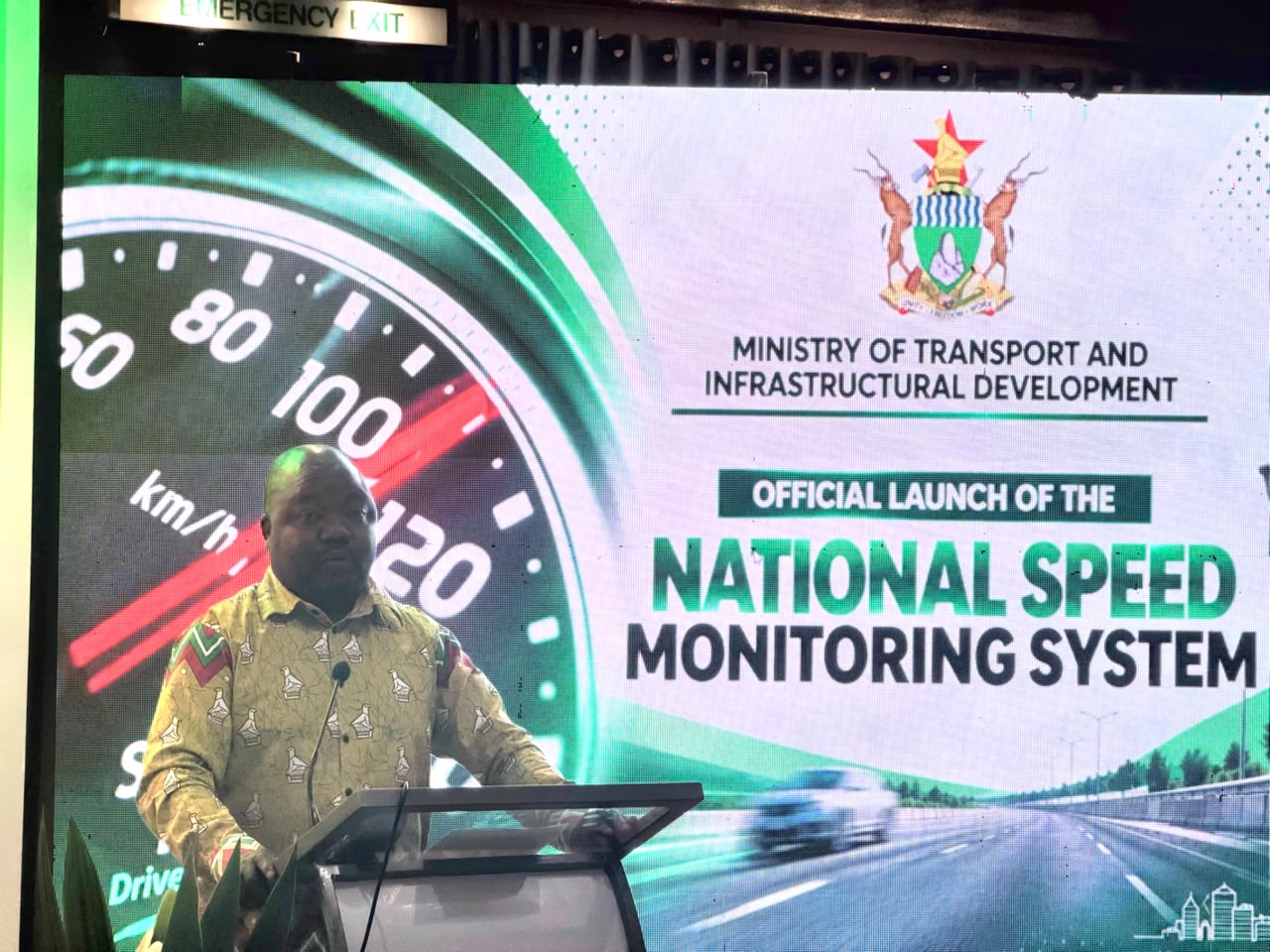
Speed monitoring system launch boosts digital economy drive
Mthabisi Tshuma [email protected] THE launch of the National Speed Monitoring System (NSMS) is part of Government’s drive to build a digital economy by using artificial intelligence and other emerging technologies…