Online Reporter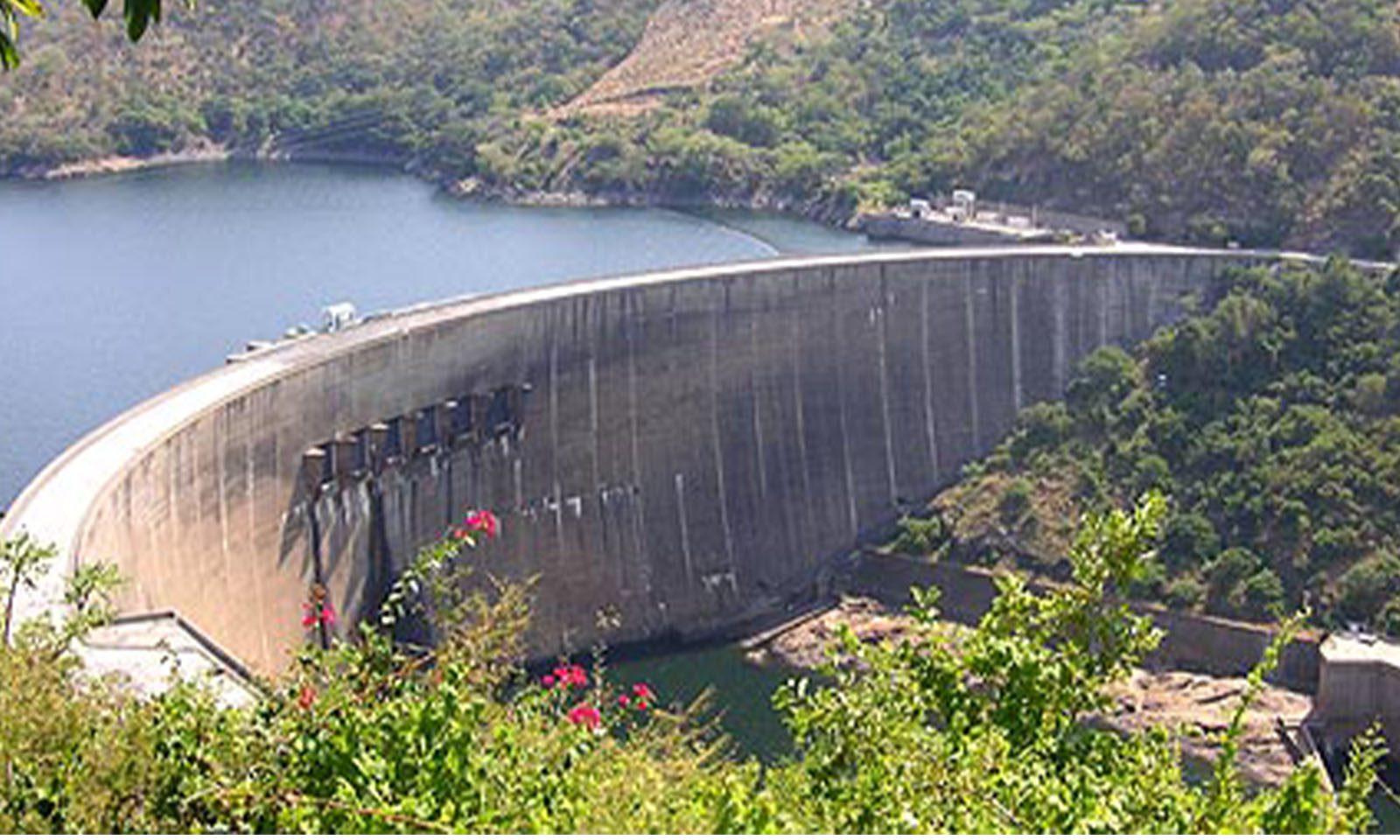
Oliver Kazunga
Senior Business Reporter
WATER levels in the Kariba Dam continue to rise gradually, reaching 476,39 metres as of Monday this week from 475,94m on January 13, renewing hopes for improved power generation at the hydropower plant.
The dam is designed to operate between water levels of between 475,50m and 488,50m for electricity generation at Kariba Power Station.
It means the dam still has a long way to go in filling up to levels that can allow significant improved power generation, given inflows peak around April, May and June annually.
Prospects remain bright though, with the rest of the region forecast to receive normal to above normal rainfall.
In March last year, the Zambezi River Authority (ZRA) set the average electricity generation at the power plant at 214 megawatts (MW) against installed capacity of 1 050MW due to limited water in the world’s largest man-made dam.
ZRA administers the affairs of the Zambezi River, including Kariba Dam, which gets the bulk of its inflows from one of Africa’s largest and longest water systems.
Zimbabwe and most of the southern African region were hit by the El Nino-induced drought, resulting in normal to below-normal rainfall in the 2023/24 rainy season.
In an update this week, ZRA indicated that as of Monday this week, water levels at Kariba had gradually risen to 476,39m, up from 475,94m mid-last month.
During the same period last year, dam levels at Kariba stood at 477,42m.
“The water levels in the Kariba reservoir have been gradually rising. This is primarily attributed to intensified rainfall activity on and around the lake.
“This trend is projected to continue as we approach the end of the first quarter of 2025,” it said.
And based on the normal-to-above-normal rainfall forecast for the 2024/25 rainy season in the Southern African Development Community, ZRA has reviewed upwards to 27 Billion Cubic Metres (CBM) of water, which is shared equally between Zimbabwe and Zambia for power generation at Kariba this year.
In the 2023/24 hydrological year, ZRA allocated 16CBM of water for electricity generation by the two neighbouring countries, when the dam’s water levels fell to a historical low.
Due to depressed power output at Kariba, Zimbabwe’s second largest major power generation facility, the country has of late been grappling with load shedding as the national grid capacity experienced increased strain.
Zimbabwe has had to rely on Hwange Thermal Power Station whose installed capacity was raised to 1 520MW after the addition of Units 7 and 8 with the two units adding a combined 600MW.
However, at times Hwange, which is also not able to operate at optimum levels due antiquated equipment for Units 1-6, experiences constant breakdowns further worsening the power situation in the country.
Multiple factors have led to perennial power shortages in Zimbabwe including rising demand due to increased economic activity putting a strain on electricity generation capacity, aging infrastructure at coal-fired power plants like Hwange as well as occasional grid system failure, contributing to unreliability.
Economic analysts have said continued rise in water levels at Kariba Dam has a positive impact on power generation.
“With increased water levels at Kariba, it means the power plant there can generate more electricity and we are just in the rainy season where normal to above-normal rainfall has been predicted. We remain hopeful that dam levels will rise significantly this year.
“As things stand, Zimbabwe is a country that has experienced increased economic activity over the past few years, therefore, a stable and reliable power supply is needed to boost economic growth,” economic analyst, Ms Wendy Mpofu, said in a recent interview with this publication.
Presently, power generation in the country average less than 1 500MW and at times below 1 200MW against a daily peak demand of about 2 200MW especially in winter.
Meanwhile, Zesa Holdings executive chairman Dr Sydney Gata is on record saying the prevailing electricity supply challenges would be a thing of the past once Zimbabwe completes the implementation of 18 power projects set to generate close to 4 000MW in the next two years.
Such projects include the development of a 720MW waste-to-thermal-coal power plant to be developed in Hwange District as well several others by independent power producers.