Online Reporter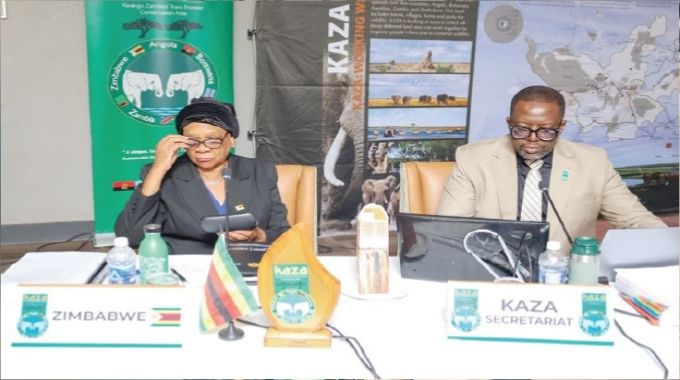
Rutendo Nyeve, [email protected]
THE Kavango Zambezi Transfrontier Conservation Area (KAZA TFCA) is set to embark on a second synchronised and coordinated survey of large herbivores across the vast landscape to help shape conservation policy and wildlife management for years to come.
This survey was approved yesterday during the 16th Ministerial Committee Meeting held in Victoria Falls, where ministers from the five Partner States that include Botswana, Namibia, Angola, Zambia and Zimbabwe formally directed the initiation of technical planning and strengthened strategic resource mobilisation to support the follow-up survey.
“This is expected to boost initiation of technical planning and strengthened strategic resource mobilisation to support a follow-up, synchronised and coordinated survey of large herbivores across the KAZA landscape as a strategic transboundary intervention”, read the Joint Communique released after the meeting.
The first synchronised survey completed in 2022, provided groundbreaking data on elephant populations and other key species.
The second survey is expected to further inform transboundary conservation planning, tourism development and community-based natural resource management across the world’s largest terrestrial transfrontier conservation area.
The meeting was chaired by Zimbabwe’s Minister of Environment, Climate and Wildlife, Dr Evelyn Ndlovu, who holds the KAZA TFCA Ministerial Committee chairpersonship. Zimbabwe took over the chairmanship from Zambia in 2025.
Other attendees included Wynter Boipuso Mmolotsi, Minister of Environment and Tourism of Botswana; Indileni Daniel, Minister of Environment, Forestry and Tourism of Namibia, represented by Deputy Minister Anselm Marungu; Marcio De Jesus Lopes Daniel, Minister of Tourism of Angola, represented by Angolan Ambassador to Zimbabwe Baltazar Diogo Cristovao and Mr Evans Muhanga, Permanent Secretary of Zambia’s Ministry of Tourism represented by Mr Jones Masonde.
Beyond the herbivore survey, the Ministerial Committee approved a series of strategic interventions.
These included the allocation of 500 000 euro from the Federal Republic of Germany towards establishing permanent regional representative offices for the KAZA Secretariat to be complemented by one-time contributions from Partner States.
The committee also approved strengthened resource mobilisation through the Africa Keystone Protected Area Partnership (AKPAP) and the Global Environment Facility (GEF-9) funding cycle to capitalise the proposed KAZA Conservation Trust Fund.
The ministers noted significant progress in the implementation of the 2024 Heads of State Summit resolutions, including the launch of the KAZA tourism destination brand and the Great Kavango Zambezi Birding Route.
They also acknowledged confirmation of further German support amounting to 6 million euro over four years starting next year.
Other notable developments included strengthened transboundary law enforcement, with an unprecedented multi-agency patrol involving Botswana, Zambia, and Zimbabwe, and the training of 796 officers across border posts since 2021.
Zimbabwe was singled out for praise as the member states commended the country for successfully hosting the Zimbabwe Funders Roundtable and advancing a shared roadmap to strengthen the biodiversity economy through coordinated conservation, community stewardship and sustainable financing.
Zimbabwe was also recognised for a landmark excursion convened by the First Lady, Dr Auxillia Mnangagwa during the 2nd UN Tourism Regional Congress on Women, which brought together 10 000 women from all 10 provinces to experience the Victoria Falls Rainforest.
Dr Ndlovu underscored the strategic importance of the meeting and the need for coordinated action.
“The questions before us today are strategic and political in nature. We must ensure that our programmes are delivering value, that resources are utilised effectively, and that our policies across borders are aligned to address shared challenges,” she said.
“Together, we can ensure that KAZA remains a world-class transfrontier conservation area — one that protects our shared natural and cultural heritage and supports sustainable development for our peoples,” said Dr Ndlovu.
The committee extended its best wishes to Zambia for safe, peaceful, and successful elections scheduled for August 13, 2026.