Online Reporter
Robin Muchetu [email protected]
For 40 women, life is about to change for the better.
United Bulawayo Hospitals (UBH), working with the United Nations Population Fund (UNFPA), has begun offering free obstetric fistula surgeries — a life changing intervention that will help restore dignity, confidence and health to women who have lived for years with this painful condition.
The 10-day surgical camp, which started on Monday, is part of efforts by the Government of Zimbabwe and its partners to improve maternal health care and ensure that vulnerable women receive treatment at no cost.
For many women affected by obstetric fistula, daily life is marked by stigma, isolation and embarrassment due to the uncontrollable leakage of urine or faeces. The condition, however, is treatable — and for those selected for surgery, this marks the beginning of a new chapter.
This is the first time such a camp is being held in Bulawayo, although similar programmes have been conducted in other provinces.
Obstetric fistula occurs during prolonged or obstructed labour, often when a baby’s head becomes stuck during delivery. This pressure can create an abnormal opening between the birth canal and the bladder, urethra or rectum, resulting in continuous leakage.
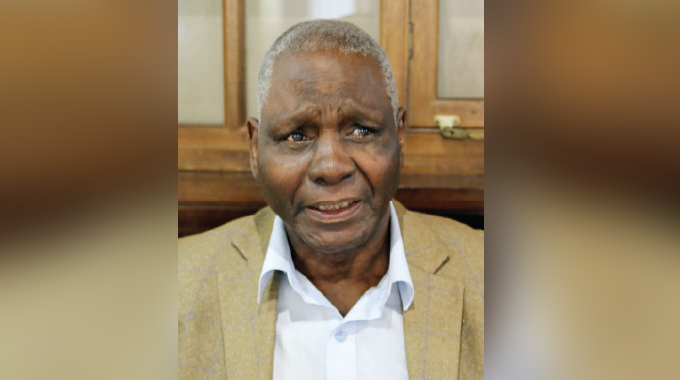
UBH Chief Medical Officer, Dr William Busumani, said the initiative is meant to restore normal life for affected women.
“Normally when you want to pass urine, there is a sphincter that closes and opens and this is usually shut until you are in an appropriate place, the same occurs with faecal matter. One should be able to control that movement, but where there is no communication, no sphincter, whenever your bladder is full, urine leaks and whenever your bowels are full, faeces just leak through the reproductive organ involuntarily,” said Dr Busumani.
He said that the condition is more common in cases where babies are unusually large, often weighing more than four kilograms, or in teenage pregnancies where the body may not yet be fully developed for childbirth.
Dr Busumani added that the camp is also an opportunity to identify women silently suffering from the condition.
“This fistula clinic is to identify those women. There are many of them, women will be smelling of urine or faeces wherever they go, they cannot go to church or other places, socially they will be outcasts and people do not want to come near you.
“So, it’s things like that that we want to assist with. We are looking for such women and we are offering free surgical repair for them. We need to repair the holes so that is what we are now doing here,” he said.
Going forward, UBH plans to make the service continuous. Provinces such as Matabeleland North and South, Midlands and Bulawayo are expected to regularly refer patients for treatment.
“We have informed respective Provincial Medical Directors of the provinces to refer obstetric fistula cases to UBH and we have the gynaecologists who are prepared to do the surgeries and correct the conditions,” he said.
Dr Busumani noted that obstetric fistula is more common among women from disadvantaged backgrounds, largely due to delays in accessing proper medical care.
“The fact that your labour is prolonged and there is no intervention, it probably means that this is someone deep in the rural areas and they take hours to get to a health centre and eventually UBH for a caesarean section. So, the social demographic features of these patients are also that they are on the underprivileged side. We are bringing the free surgeries close so that they assist the women,” he added.
All procedures under the programme are being provided free of charge. In addition, the women are being supported with transport and post operative care.
“The Government has partnered with UNFPA who are providing their transport, and the Government will conduct the free operations delivered by specialist gynaecologists and the hospital will house them for another two weeks post operation as they recover and their meals will be catered for during that period. We are glad that such a camp is now happening in Bulawayo so that we get closer to the patients,” he said.
The hospital is aiming to operate on four patients per day over the 10 day period. Each woman will also receive a hygiene pack containing basic toiletries.
Importantly, the fistula clinic has now been made a permanent service at UBH, ensuring continued support even after the camp ends.
“These conditions keep happening to women all the time. So, even after this two-week camp is done, we will be open to assist the women. We have informed the district hospitals that they can send their patients over on the referral days so that they consult with us. We expect other patients from other provinces like Mashonaland to also benefit and get their surgeries done,” he said.
Dr Busumani urged women living with the condition to come forward and seek help, describing the surgery as life changing.