admin
adminexpressions, knowledge and skills that communities, groups and individuals recognise as part of their cultural heritage.
Examples of some of the expressions and skills include epic songs, various dances, chants, traditional theatre and performing arts.
For instance, dances like bheriya, muchongoyo and ngororombe are part of the country’s intangible cultural heritage.
However, the dances are under threat from extinction unless communities come up with measures to safeguard them.
The measures include documentation of these dances through documentaries, preservation of the dance itself by urging knowledgeable people to pass on the information to the young generation.
The five-day workshop, which was organised by the United Nations Educational, Scientific and Cultural Organisation Harare Cluster Office with funding from the Flanders government (Belgium), sought to conscientise participants on the importance of the 2003 Convention for the Safeguarding of the Intangible Cultural Heritage.
Zimbabwe is among countries that have ratified this convention and has been actively participating in its formulation at it has been involved in a number of projects at country level.
In his remarks, the acting secretary-general for the Zimbabwe Commission for Unesco, Dr Temba Ndlovu, said the country was interested in the convention because it addresses intangible cultural heritage issues that have remained unattended for a long time.
“We have been and continue to protect our intangible heritage such as the Great Zimbabwe, Khami Ruins, cultural artefacts and museum objects, but the story has always remained incomplete without the oral traditions, indigenous knowledge systems, rituals, customs, languages and unique skills of production associated with tangible heritage,” he said.
He urged communities to identify and participate in the safeguarding of its own ICH.
During the workshop participants among other activities defined safeguarding measures for the ICH domains and also identified ceremonies and dances that can be improved and be used to attract international tourists.
The chiefs, who were attending the meeting for the first time, said although they were custodians of the intangible cultural heritage, they were being excluded from the activities on ICH, adding that they were not even aware of the existence of the 2003 convention.
“Chiefs are not taking part in all these programmes that you have been talking about.
“Who then is actively involved in your projects on intangible cultural heritage when we the chiefs, who are custodians of culture, are not aware of what is taking place? ” queried Chief Fortune Charumbira.
In response to Chief Charumbira’s queries, the National Committee for the Intangible Cultural Heritage resolved to involve chiefs in future activities.
The activities will include an eight-day training workshop on community-based inventorying of ICHs, assessment of national policy frameworks in light of the 2003 convention and a number of awareness raising initiatives throughout the country.
Professor Herbert Chimhundu from the Great Zimbabwe University, arts practitioner Dolorosa Mubvumbi, renowned traditionalist Pathisa Nyathi, academics Dr Francis Matambirofa and Dr Jacob Mapara, traditionalist Reuben Gwatidzo, mbira player Chris Timbe, Stephen Chifunyise and Sekuru Mazorodze where among some of the people who attended the workshop.


Online Reporter
- Herald
- September 23, 2026
- 1 views
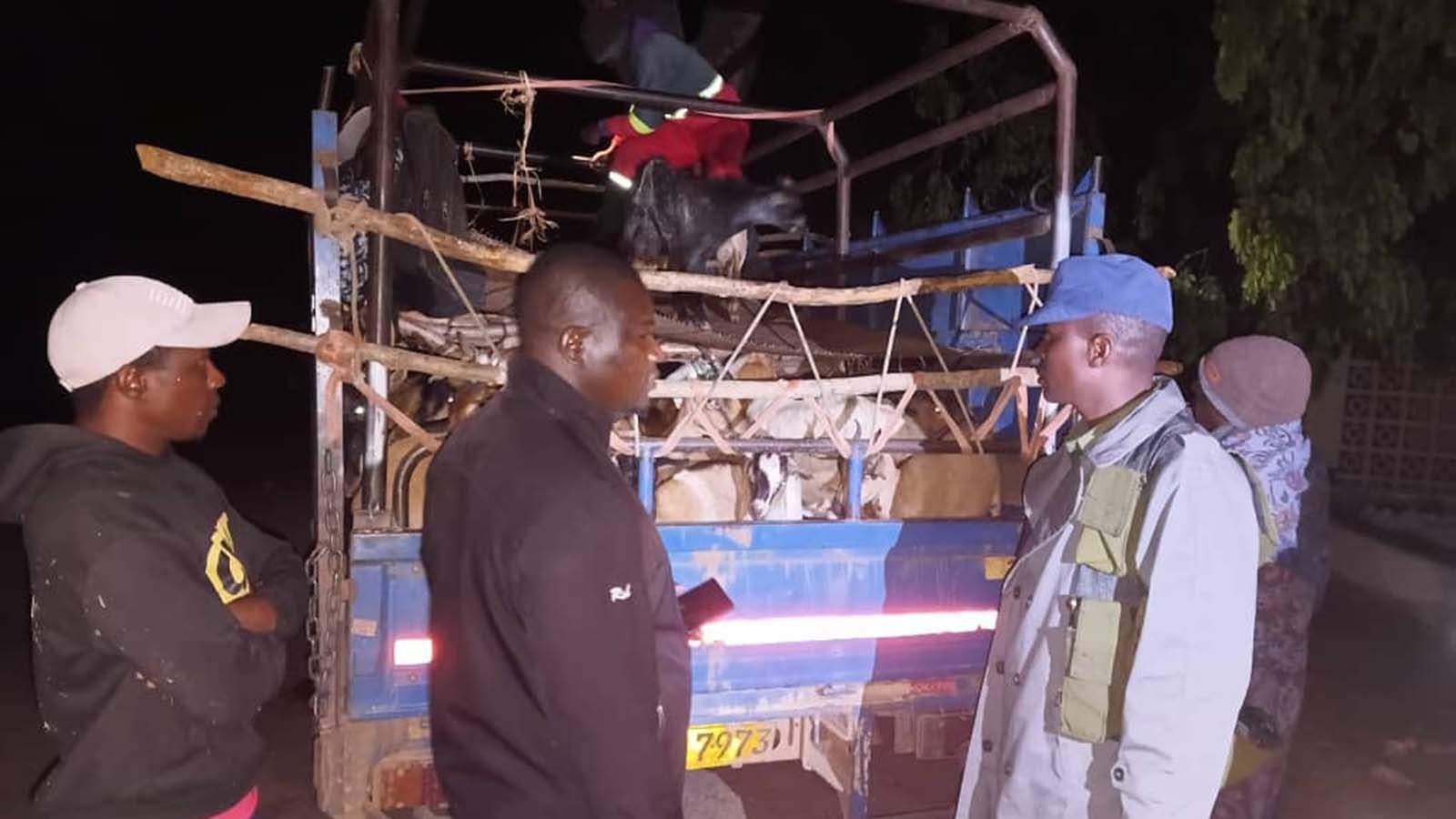
Seven suspects arrested, 90 goats and sheep recovered
Freeman Razemba Senior Reporter SEVEN suspects were arrested in Nyamapanda where police recovered 82 goats and eight sheep. National police spokesperson Commissioner Paul Nyathi confirmed the arrests in a statement…