daniel chigunwe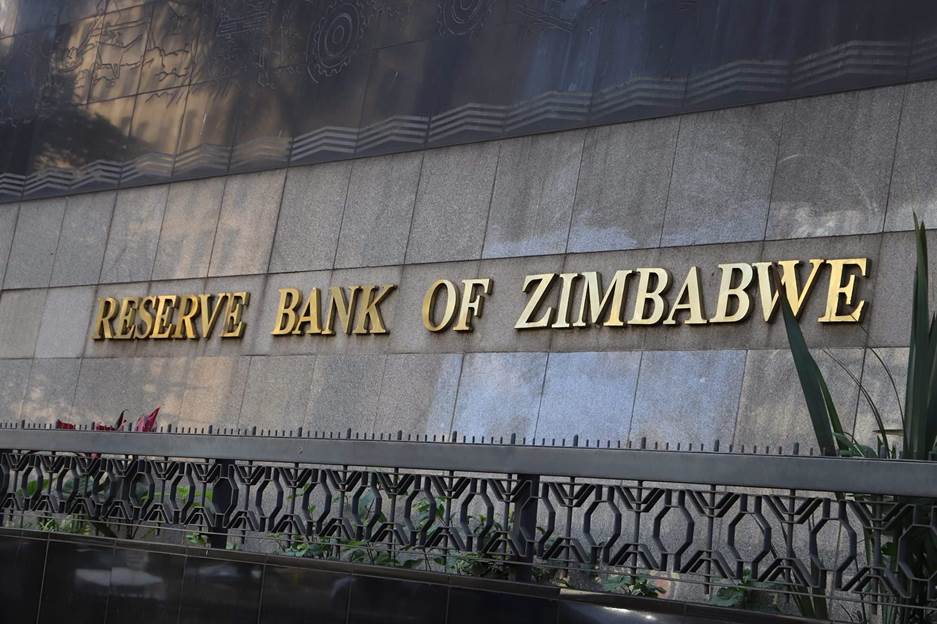
Business Writer
The Zimbabwe dollar has been under pressure and it lost a huge chunk of its value since its inception in 2019, and some segments of the economy have called for the Reserve Bank of Zimbabwe (RBZ) to do away with it, but some observers and industry insist the economy needs the currency.
Economists and industrialists have called for the RBZ to work on instilling confidence in the local currency and this can be achieved by avoiding policy inconsistency among other measures.
Economist, Dr Alfred Mthimkhulu, speaking on the sidelines of the Investment Professionals Association of Zimbabwe meeting on Monday said authorities need to keep the multi-currency for as long as they need to address the underlying issues with the Zimbabwe Dollar.
“The central bank is important for the country and so is the local currency and we need it for economic growth. Authorities said they want to keep multi-currency till 2025, but I feel they need to keep it until they sort out the underlying factors,” he said.
“Central Bank will need to address the problem of confidence which is bedevilling the local currency which must be done while the basket of currencies is in use. There is no denying that as a country we do need our local currency if we are to get any growth in the economy.”
People who are entrusted with making these decisions have also said part of the problem is theirs as they have eroded the confidence of the citizens in the past 15 years.
“As authorities, we have been very good in changing and chopping policies in the past 10 years or so. Sometimes we are very good at implementing policies that we must not be implementing,” a source with the RBZ said.
Government critics have for years pointed at toxic policy proposals and inconsistencies in implementation as the major drivers of investor flight.
According to the source, in the pre-2009 era, Zimbabweans had stashed around US$1 billion outside the country but the situation improved during the Government of National Unity, formed between then President Robert Mugabe and late MDC leader, Morgan Tsvangirai who came in as Prime Minister.
The source noted that the situation, however, took a nosedive between 2015 and 2016.
“So you will realise that lack of property rights is also a factor contributing to the loss of confidence, because everyone will do anything to protect that which they own,” the RBZ official said. Mthimkhulu said the local currency is not the first to suffer such resistance as the United States dollar on inception lost also about half of its launch value in the first five years of circulation.
He added that, “When President Nixon decided to abolish the gold standard in order for the Federal Reserve to be able to print, the US Dollar lost about 57 percent of its value in three years, but they kept it going by working on the needed confidence in the country for the dollar to persevere.”
Confederation of Zimbabwe Industries (CZI) Matebeleland Chapter vice president, Joseph Gunda, said on Monday there should be a clear road map towards gradual de-dollarisation that is backed by macro-economic stability.
“We have an elephant in the house which is inflation, interest rates and currency issues. The use of local currency should be a top priority with a clear road map towards gradual de-dollarisation that is backed by macro-economic stability,” he said.
“The issue of de-dollarisation requires a functional financial market; exports are currently uncompetitive in the region as high costs associated with use of United State Dollar (USD) together with export retention are a bit discouraging.”
As a way to increase confidence in the local currency, Gunda exhorted the Government to spearhead the use of the local currency by offering incentives and accepting tax payments exclusively in the Zimbabwe dollar.



 Online Reporter