Online Reporter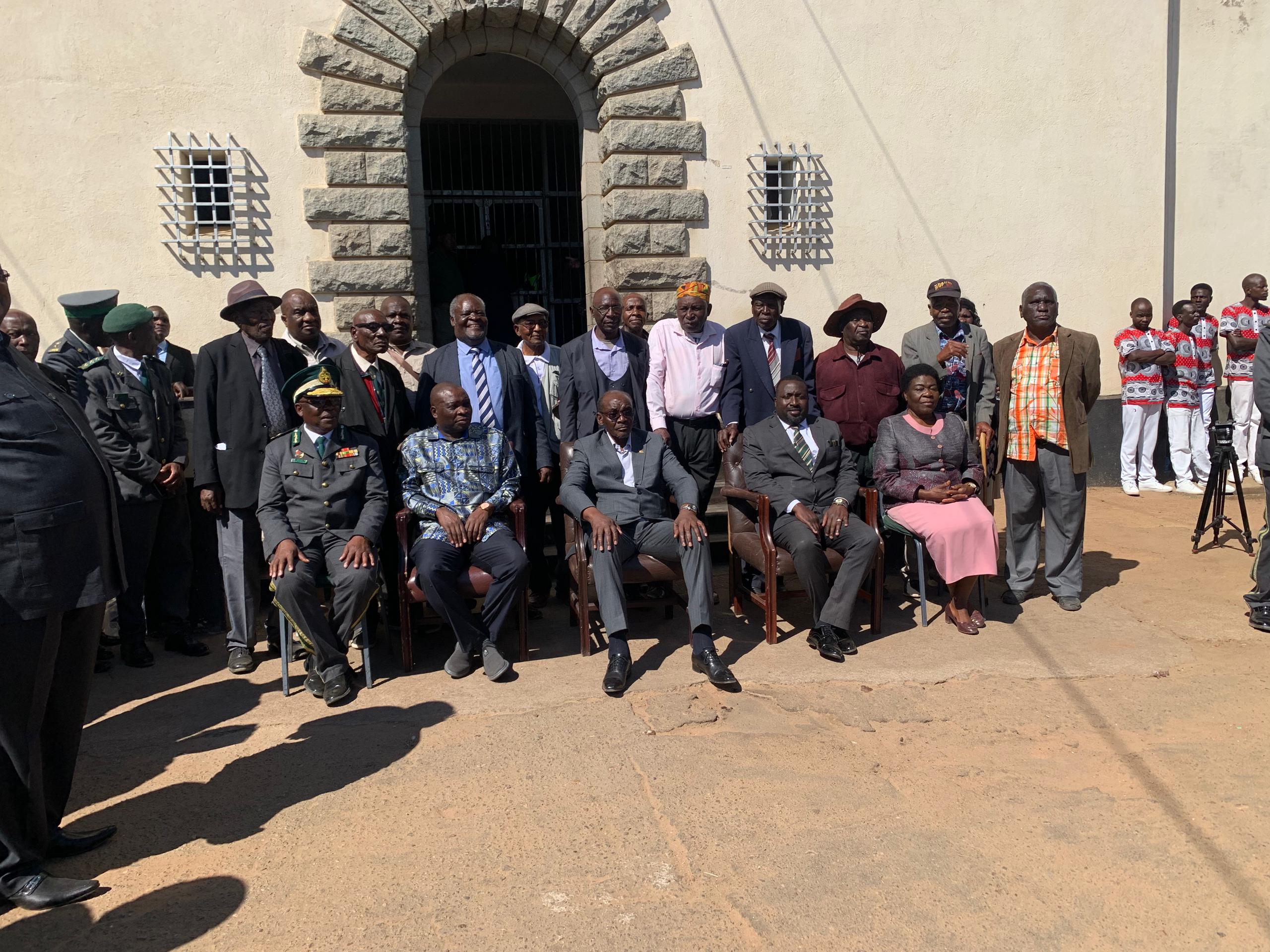
Peter Matika [email protected]
IN a powerful walk down memory lane, Vice President Kembo Mohadi returned to Khami Prison, the place that once caged him during Zimbabwe’s liberation struggle.
He turned it into a stage of reflection, resilience and revolutionary fire.
With Heroes Day around the corner, VP Mohadi stood in the shadow of his old cell blocks and declared:
“These walls hold memories of our collective struggle. Each cell represents a chapter in our nation’s fight for freedom and dignity.”
VP Mohadi, then just 25, was jailed in 1975 for distributing arms in Rhodesia. He was sentenced to 15 years and became inmate number 73/75. He shared cells 28 and 61 with fellow freedom fighters, while President Emmerson Mnangagwa was detained in cell 44.
The visit was more than ceremonial. It was emotional. It was real.
“This is where we grew up,” Mohadi said. “Not eating your chips and fancy foods. It was a place of pain, but also one where the revolution lived and grew stronger.”
He revealed how prisoners kept the liberation war alive inside the prison walls, forming a covert “High Command” that secretly passed messages to Lusaka with help from sympathetic wardens.
“I was in charge of intelligence inside,” he said. “That’s how we kept the fight alive, even behind bars.”
The VP also opened up about how he narrowly escaped the hangman’s noose after a comrade who had been arrested with weapons in Gweru tricked the Rhodesian regime into thinking he had defected.
“I was meant to be hanged, but I survived,” said Mohadi.
As he reunited with fellow former detainee Cde John Maluzo Ndlovu, the dusty corridors of Khami echoed with a rare kind of silence, the silence of men who had suffered, survived and risen.
From prisoner to Vice President, VP Mohadi’s return to Khami Prison was not a step back, but a salute to the shackled past that forged the future.