Online Reporter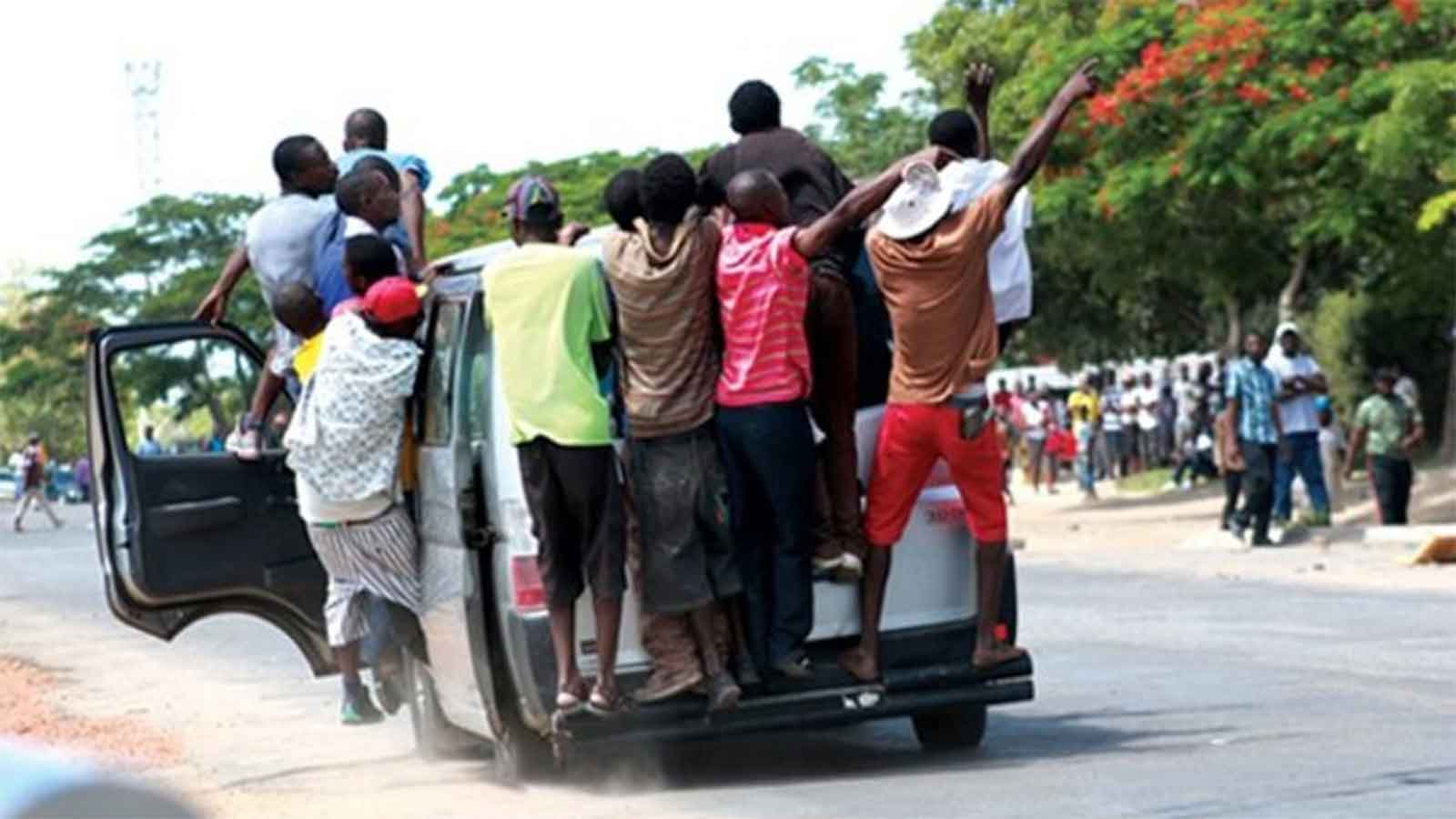
Rosenthal Mutakati-Ghetto Blast
HOPPING into a kombi for one’s daily pilgrimage to and from the workplace demands a monumental reservoir of tolerance, given the harrowing trials a commuter must brave over the distance.
Doctors, engineers, journalists, shopkeepers, learners, the venerable elderly, and the nascent youth all populate this chaotic tapestry of public transit, making its management a delicate matter requiring absolute kid gloves.
Within this turbulent ecosystem, “Mashofe”, “Mamotorishto”, “Madhiraivhimbi”, “Vamonyi”, or “Vatyairi” serve as the grand, colloquial honorifics bestowed upon drivers, while conductors preserve their titles with minor, theatrical variations like “doorman” or “gateman.”
Yet, while law enforcement, the Vehicle Inspectorate Department, and allied statutory bodies play their part to fortify safety, predatory transport operators and their mercenary crews, thoroughly blinded by insatiable profiteering, continuously jeopardise innocent lives.
They deploy dilapidated contraptions that belong in a scrapyard to provide purported service, playing a high-stakes game of hide-and-seek with traffic police and reducing vulnerable citizens to literal, agonising tears.
Beyond enduring archaic vessels seemingly fused together by sheer rust, an ordinary traveller absolutely requires a robust set of earphones to deflect the vulgar, profane sewage spewed effortlessly by these unruly agents in their mobile theatres of discourtesy.
The cabin speakers incessantly broadcast crude, auditory assaults by local fledgling vocalists at deafening volumes, rendering civil discourse an absolute impossibility.
Within these metal confessionals, our esteemed elders are routinely subjected to infantilising disrespect by unkempt touts and conductors.
Boarding a kombi alongside an in-law becomes an acute psychological ordeal, where one’s cultural resilience and dignity are tested under a barrage of casual ridicule.
These characters reek of distilled oblivion, openly imbibing opaque traditional beer or sharing bottles of lethal, highly volatile concoctions colloquially christened “tumbwa” or “musombodhiya.”
Paradoxically, every passenger is cloaked in synthetic adulation upon approach, gilded with seductive monickers like “murungu”, an adulterated version for employer, or “mudhara”.
Yet, this artificial veneration permanently dissolves the very fraction of a second currency changes hands. The crew will gladly linger for an agonising duration while a prospective fare concludes a trivial purchase, but post-payment, the passenger is swiftly castigated, commanded to disembark with frantic urgency and avoid behaving like aimless tourists merely to optimise cabin density.
“Mudhara, adopt a stoic posture; this commercial enterprise prioritises fiscal extraction over luxurious indulgence,” an unwashed conductor barked at this writer, desperately wrestling a screeching, disjointed sliding door while enveloping my senses in an ancestral aroma completely unacquainted with fresh water or fragrant soap.
This writer once contemplated deeply whether this gruelling daily trauma via these ubiquitous, rattle-trap metallic beasts is worth the mounting psychological toll, or if we are all merely trapped in an inescapable, national tragi-comedy.
For the vast majority of Zimbabweans, however, existential philosophy remains an unaffordable luxury; there exists no viable alternative but to plunge headlong into the fray. The fiscal transaction itself devolves into a gruelling war of attrition: you are either denied your change entirely or forcibly coupled in an unwanted partnership with a fellow commuter, delaying your arrival at vital destinations while embarking on a desperate safari for loose notes. Often, the final insult arrives in the form of decomposed, filthy, and tattered banknotes passed off as legal tender.
Depending on your physical stature and disposition, you risk physical hostility if adjudged to be weak, or you are sharply reminded to always bear exact change to avoid friction.
“If you knew you wanted change, you were supposed to bring it yourself. We are here to provide a service and not to give people the change of their liking,” a defiant young conductor once snapped at an elderly widow.
The rest of us sat in frozen, impotent silence, fully aware that a righteous intervention meant being summarily ejected onto the unforgiving tarmac.
To step inside a kombi is to witness an immediate, jarring metamorphism where hospitality serves as a fleeting, deceptive mirage.
The ushering rituals are a beautiful symphony of simulated reverence designed solely to lure your wallet into the open. Yet, this transactional courtship possesses the volatile lifespan of a morning mist.
The instant the hard-earned money finds its way into the conductor’s grip, the masquerade completely evaporates.
Human dignity is summarily evicted, and the erstwhile pampered commuter is instantly downgraded to anonymous cargo, packed tightly into spaces that blatantly defy the physical laws of human anatomy.
Until a dignified, structured public transit alternative finally rescues our public square, we remain forever bound to this chaotic daily lottery, desperately clinging to rust and praying fervently to reach our sanctuaries safely.
Inotambika mughetto.