Online Reporter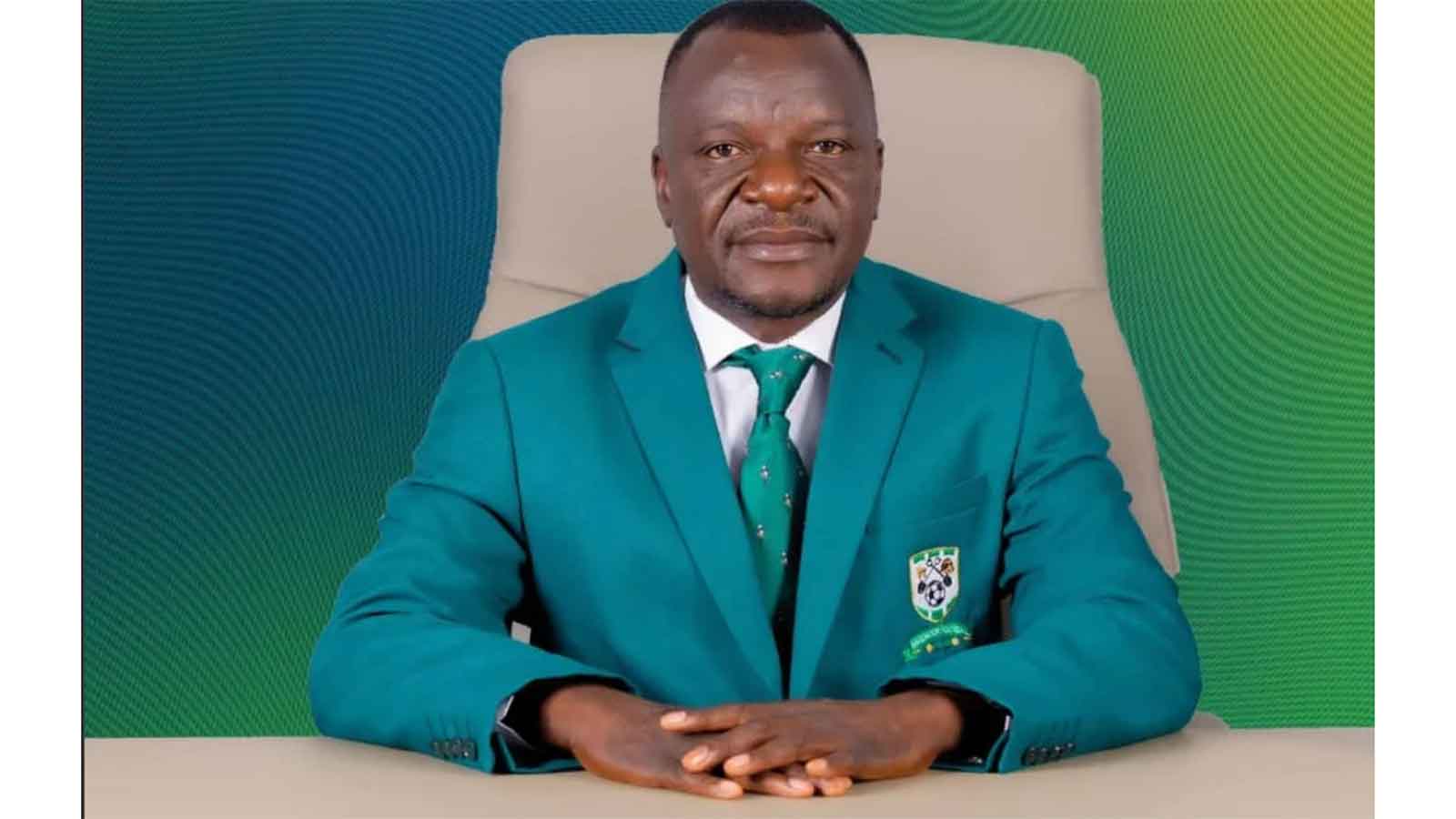
Simba Chiminya-Zimpapers Sports Hub
SHEPHERD CHAHWANDA stands quietly near the touchline, hands folded, watching workers make final checks, the look on his face somewhere between relief and disbelief.
Around him, the vast structure he imagined is finally ready to welcome its first official crowd, a symbol of how quickly fortunes can shift when ambition meets patience.
For years, football in Kwekwe lived mostly in memories.
Older supporters spoke fondly of packed terraces at Ziscosteel and Lancashire Steel, of weekends when the city seemed to revolve around kick-off times and league tables.
Those stories carried not only pride but also a quiet sadness, a reminder of how far the local game had slipped from its peak.
Now the conversation sounds different.
The rise of Hardrock and the unveiling of Chahwanda Stadium have moved Kwekwe back to the centre of football conversations across the country, but the deeper story is about a community rediscovering belief through the game that once defined it.
Built from the ground up by Chahwanda, the stadium stands as a bold investment in both sport and place.
Its modern design, from expansive seating to villas overlooking the pitch, reflects a vision that stretches beyond ordinary expectations and signals a clear statement of intent about what football in the city can become.
When the gates open officially next weekend, it will mark the return of top-flight football to a city that has waited for a long time to host it again.
Hardrock’s activity in the transfer market has added fuel to the growing excitement.
The club has assembled a squad that blends proven experience with emerging promise, a clear indication that this is not a project built on hope alone.
Midfielders Junior Makunike and Donald Mudadi arrived from Simba Bhora, along with goalkeeper Tonderayi Mateyaunga, while national team goalkeeper Martin Mapisa and winger Nigel Matinha joined from MWOS.
Soccer Star of the Year Washington Navaya chose Kwekwe despite interest from several clubs, underlining the pull of the project.
Upfront, Wilfred Madzungu arrives with the confidence of a striker who scored 25 goals in the Central Region last season, while former Chicken Inn captain Xolani Ndlovu adds leadership and experience.
The recruitment has also stretched beyond Zimbabwe’s borders, with striker Andrew Phiri joining from Zambia and the Eswatini duo of Sambulo Simelane and Neliswa Dlamini adding depth to the squad.
Club chairperson Wellington Mpandare speaks about the project with a sense of responsibility as much as excitement.
He believes the club’s growth is tied closely to the city’s revival and sees football as a catalyst for renewed energy across the local economy.
“Kwekwe will never be the same again,” he says. “Premier league football is returning after a long time because of the investment in the team and the stadium.
“There will be an influx of people into the city and that will benefit local businesses. For us, this is about building stability and preserving our place in the league.”
His words mirror conversations happening across town, where shop owners, vendors and supporters speak about match days with a sense of anticipation that has not been felt for years.
The expectation is not only about results, but about the return of a shared experience that brings the community together.
Before Hardrock captured the spotlight, Kwekwe United carried the responsibility of keeping the city visible on the football map.
Their promotion to the top-flight in 2024 made them the first local side to reach that level since Lancashire Steel’s relegation in 2008.
Without a suitable stadium, Kwekwe United played home matches in Gweru, enduring a difficult campaign that yielded only one win.
Rather than retreat, the club regrouped.
There is renewed organisation within the setup and a clearer sense of direction at Kwekwe.
Veteran coach Tendai Chikuni now leads the technical team, bringing experience and calm leadership, while Jairos Tapera serves as technical director, adding further depth to the club’s structure.
Club president Bridget Mudhosi believes the city is entering a new phase and credits local businesses for backing the revival.
“Football is back in Kwekwe,” she says. “This year will be massive for both Kwekwe United and Hardrock. We faced challenges before, especially financially, but we are more organised now and focused on returning to the Premier Soccer League (PSL).
“We have secured sponsorship from Betterbrands and expect more partners to come on board. I also want to acknowledge the role Shepherd Chahwanda has played in uplifting the city.”
The contrast between past and present is striking.
The decline of major industries left scars on the local economy and dimmed the football culture that once thrived alongside them.
Stadiums grew quieter and younger fans grew up hearing stories of glory they never experienced.
Today, the sight of a modern stadium rising from the ground and the presence of two ambitious clubs offer something tangible to believe in. It is a reminder that football in Zimbabwe often reflects broader social currents, carrying hopes that extend far beyond the pitch.
Hardrock may carry the expectations of being early contenders in the PSL, while Kwekwe United pursue promotion from the Central Region with renewed purpose, yet together they represent a wider shift.
They have moved football back to everyday conversation and restored a sense of occasion that once defined weekends in the city.
In the end, the story is not just about a club or a stadium; it is about a city reclaiming a piece of itself.