admin
admin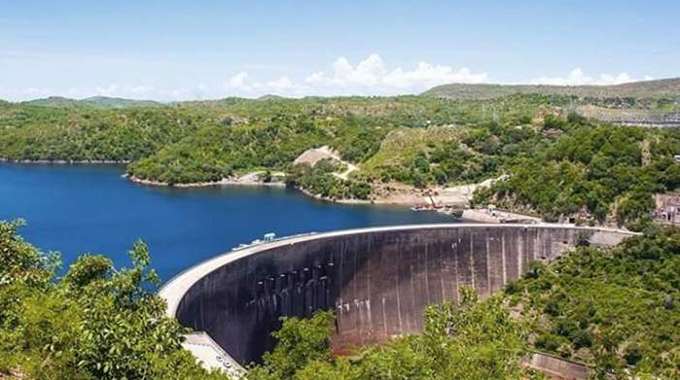
Walter Nyamukondiwa Kariba Bureau
Lake Kariba is rising slowly although the two power stations are still largely functioning by using what flows into the lake each day, with the river flow only moderately above the low flow level, but the margin of safety is getting better with the lake surface now 33cm above the minimum level for operating the north-bank and south-bank power stations.
At the beginning of the year that lake level was just 16cm, and very close to the level where the two stations would have to cut back even further, perhaps just running one turbine each.
Although there are good rains in northern Zimbabwe and southern Zambia, the flows from this part of the catchment are never seriously important for the Zambezi, being useful but not where most river water comes from.
Therefore most of the water trapped in Lake Kariba during the high-flow months is mainly stored to give a steady flow into the power stations throughout the year.
With continued rains, the lake is expected to maintain a steady increase until inflows from the Upper Zambezi Catchment start reaching Kariba around March. The first peak inflows are expected in March and the second at the end of May.
These are the flows from the run-off from the rain that hits the south-east third of Angola, easily the biggest source of river flow, and then the north-west Zambia rains.
An update from the Zambezi River Authority (ZRA) shows that water levels have increased to about 33cm above the minimum operating level but on the same day last year they were 2,95m above that minimum level
Owing to receding water levels in the last quarter of 2022, ZRA directed Zimbabwe Power Company and Zesco of Zambia to considerably scale down power generation to reduce the amount of water discharged from the lake.



 Online Reporter