Sidumisile Mabena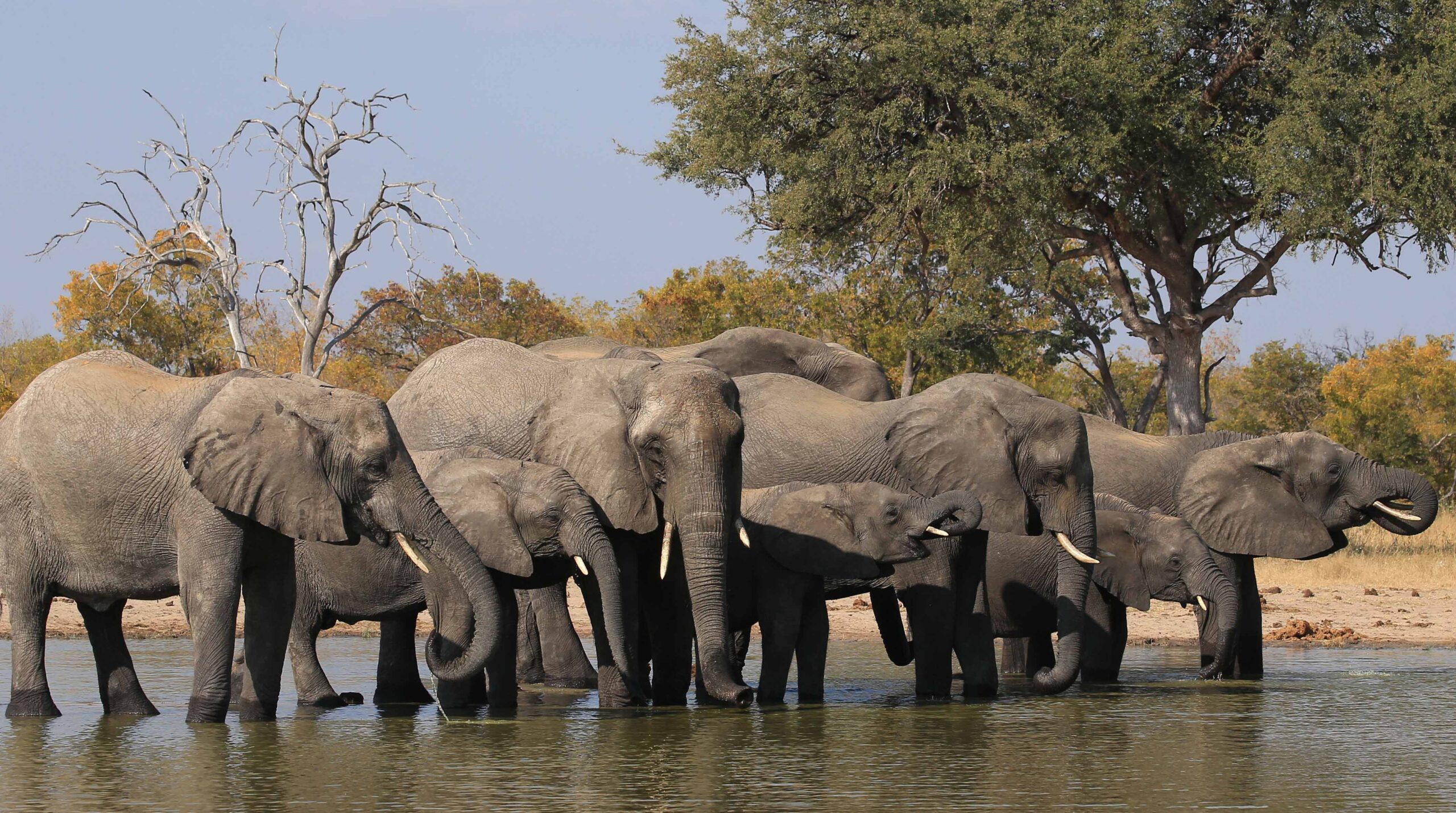
WHEN elephants begin to wander, entire communities hold their breath. In Beitbridge, where the silhouettes of these giants regularly break the horizon, the delicate balance between people and wildlife has been pushed to the edge.
The decision by the Beitbridge Rural District Council (BBRDC) to enlist the expertise of professional hunters — working not to kill, but to protect — marks a sensible, timely, and ultimately commendable effort to restore order in a landscape strained by fear and uncertainty.
For months, villages from Shashe to Tshikwalakwala have found themselves living at the mercy of the world’s largest land mammals. The elephants’ stately movements belie the havoc they leave behind: trampled fields, destroyed crops, and a growing sense of helplessness among families who rely almost entirely on the land for survival.
Every new footprint in the dust is a warning. Every broken fence represents another night of anxiety. For rural households already battling climatic shocks and resource scarcity, the pressure is unrelenting.
Against this backdrop, the BBRDC’s intervention is not only logical but overdue. When Council CEO Mrs Kiliboni Mbedzi says, “We are collaborating with stakeholders to implement measures that will reduce human-wildlife conflict and promote co-existence,” she captures the essence of a strategy rooted in responsibility rather than reaction.
Professional hunters, working alongside ZimParks and safari operators, bring a level of skill and discipline essential in managing wildlife that moves with ancient instinct, not political boundaries.
Critics may flinch at the phrase “professional hunters”, but in regions where elephants roam freely across farms and homesteads, these specialists serve as first responders, mediators, and guardians. Their task is not to destroy wildlife but to direct, deter, and — when absolutely necessary — neutralise dangers that threaten human life. With limited resources and vast terrain to cover, the council’s willingness to collaborate widely is not a weakness; it is a strategic strength.
Equally important is the council’s embrace of innovative, non-lethal methods. Chilli blocks and beehive fences may appear unconventional, but these tools are increasingly recognised across Africa as simple, effective ways to turn elephants away from human settlements without harm. Plans for wildlife corridors point to a longer-term vision — one in which the movement of elephants is guided rather than resisted, reducing conflict before it begins.
The truth is that Beitbridge’s challenge is not isolated. Many of the elephants entering local villages are seasoned travellers, moving between Botswana, South Africa and Zimbabwe along routes older than any road or border post.
Climate change, expanding settlements and declining natural habitats have intensified encounters between people and wildlife across the Limpopo Valley. In this context, pretending that communities can simply “learn to live with elephants” without meaningful support is not only unrealistic but reckless.
The BBRDC’s response — proactive, co-ordinated and increasingly multifaceted — acknowledges a fundamental reality: humans and elephants must coexist, but coexistence requires management, not wishful thinking. Mrs Mbedzi’s assurance that the council is committed to “finding sustainable solutions” is more than administrative rhetoric. It is a recognition of the district’s duty to protect both its people and its wildlife.
For co-existence to succeed, communities must feel safe. They must believe that the authorities are listening, responding and adapting. And they must see practical steps — swift responses to distress calls, ongoing monitoring, and consistent engagement — transform fear into confidence.
That is why the council’s move deserves not only support, but applause.



 Online Reporter