Online Reporter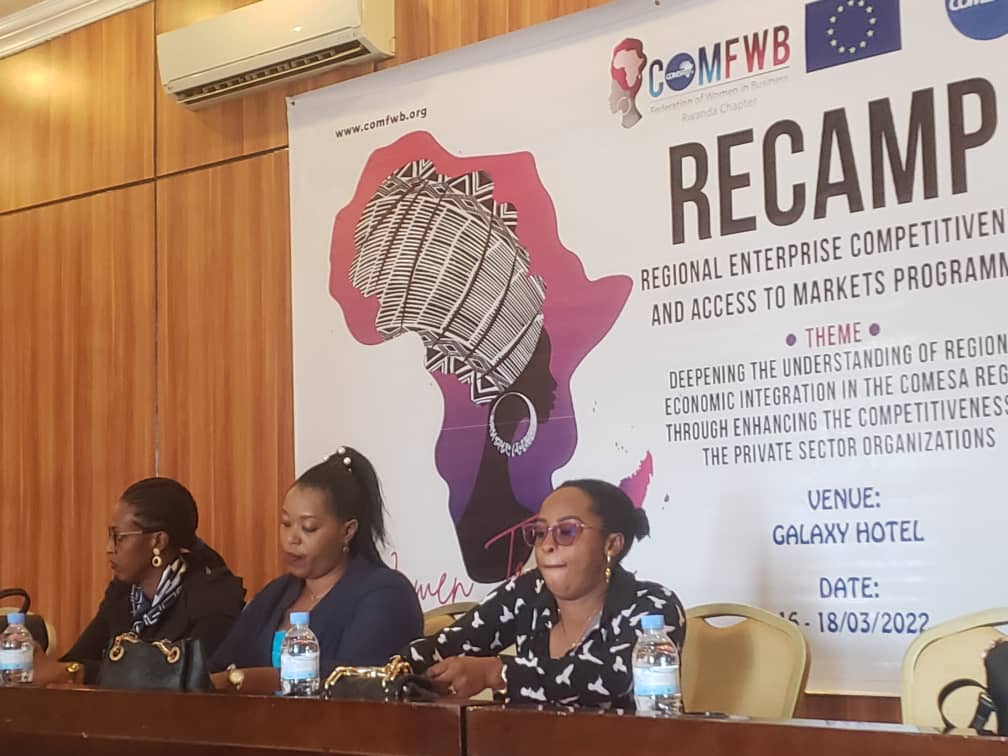
Sikhulekelani Moyo
Zimpapers Business Hub
THE Zimbabwe Leather Development Council (ZLDC) has appealed to the Government for measures to boost the leather sector value chain, including mandating the local procurement of footwear for the security sector.
The sentiments were made during the launch of the Satellite Design Studio in Bulawayo recently.
Zimbabwe is establishing its first Satellite Design Studio for leather products, located at the Zimbabwe Leather Institute in Bulawayo.
This initiative aims to enhance the quality and increase the output of leather goods, focusing on the upper value chain and downstream impact.
The studio, supported by the European Union-funded Regional Enterprise Competitiveness and Access to Markets Programme (RECAMP), will foster innovation, support traceability for international markets and strengthen local production, particularly in footwear.
It is part of a broader strategy to revitalise the leather sector and aligns with the Common Market for Southern Africa’s regional industrialisation goals
In his remarks, ZLDC chairperson Mr Clement Shoko said the launch of the design studio would help to improve the value chain and post a lot of the industry’s key performance indicators as described in the sector’s strategy.
He said that with the country exporting more than 90 percent of raw hides, the sector needs local support to utilise the presented opportunities, with market penetration being the challenge.
“If we can penetrate the market, we will be in a position to draw on those 95 percent of hides, convert them into leather and leather products,” said Mr Shoko.
“One of the low-hanging fruits: on behalf of my fellow members here, is to ask the Government to look at this very seriously.
“We have a low-hanging fruit in the form of the uniformed forces.
“We would like this particular market to be serviced by us because we think this design studio, whatever challenges the market can say we are not good at, I think we are now in a position to improve.”
Mr Shoko said this will help to quickly turn the 95 percent hides, which are being exported, into products that can transform the leather value chain.
He also said the establishment of the design studio would help the sector to introduce locally branded leather products, which can be taken to the international space.
Mr Shoko said under the National Development Strategy 1, the leather value chain had one or two key performance indicators (KPIs).
He said they could not draw KPIs because they did not have a design studio.
“We would like to ask our own Government to have a Presidential declaration on the fact that, within a given period.
“Let’s be given a period where we can then find ourselves being the sole supplier of the army and other security forces’ boots,” said Mr Shoko.
Recently, Comesa officially handed over Satellite Leather Design Studio equipment valued at 150 000 euro to the Leather Institute of Zimbabwe, marking a significant milestone in Zimbabwe’s leather value chain.
Funded by the European Union through the EU Development Fund (EUDF 11), the studio aims to elevate the focus on the upper value chain, ultimately enhancing the downstream impact for all stakeholders within the broader leather industry.
The design studio is expected to improve the competitiveness of leather products, assisting small and medium enterprises in the sector to access both regional and global markets.
Meanwhile, Zimbabwe is looking forward to the establishment of the sole and last plant, with Mr Shoko saying the Africa Leather and Leather Products Institute is facilitating the process.
The leather value chain is one of the 10 priority value chains under NDS1, with small and medium enterprises playing a key part in supporting the value chain.



 Bongani Ndlovu