Chronicle Editor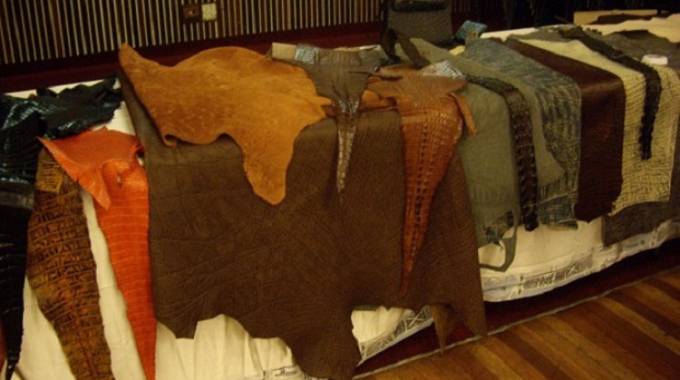
Prosper Ndlovu, Analysis
ALTHOUGH Zimbabwe is famed for quality livestock production, the sector has in recent years faced numerous challenges, which have weakened output capacity and frustrated value chain gains.
A combination of climate change-induced shocks, the rise in animal pests and diseases, inadequate financing and limited research knowledge, have constrained both communal and commercial livestock farmers with adverse impact on the entire economy and jobs.
In 2020, for instance, farmers in Zimbabwe lost more than 300 000 cattle valued at around ZWL$4,394 billion due to a combination of drought that decimated pastures, resulted in water shortages and diseases such as anthrax, January Disease (Theileriosis) and tick-borne diseases, due to lack of dipping chemicals, according to official reports.
Finance and Economic Development Minister, Professor Mthuli Ncube, stated in his 2021 national budget statement that due to capacity building gaps, especially among communal farmers, who form a large base of livestock farmers, the country lost substantial livestock attributable to drought and floods, which reduced pastures as well as the continued outbreak of pests and disease attacks including the fall armyworm, tuta absoluta and foot and mouth disease.
Livestock is a major source of livelihood for most families in rural Zimbabwe and the death of cattle leaves such households without incomes and the much-needed draught power, exposing them to food insecurity.
While the commercial sector is the major source of meat and dairy products sold through formal marketing channels in Zimbabwe, the Food and Agriculture Organisation (FAO) states that cattle production is an integral part of mainly smallholder farming systems in which production of beef is of lower priority to the provision of draught power and milk for subsistence consumption.
“Small ruminants (sheep and goats) and non-ruminants (pigs and poultry) are far less important than cattle in the lives of people in smallholder areas and this livestock are reared primarily to provide a source of meat and cash,” says FAO.
This places emphasis on unlocking the potential of smallholder livestock farmers through integrating them to the wider beef and leather value chain.
The dream to transform the livestock and leather products sub-sector from a producer of primary goods into a producer of processed value-added goods for both the domestic and export markets is at the heart of the National Development Strategy (NDS1 2021-2025), which builds towards an upper middle-income economy vision by 2030.
This has to be achieved through the promotion of viable cluster-based industrial and commercial sectors with the leather and leather products sector being key. Given the abundance of quality natural hides as well as highly skilled manpower in Zimbabwe, the country should realise greater rewards in terms of more job opportunities and being a global competitor in the leather and leather products value chain.
Increased livestock production is significant in the broader agriculture sector, the mainstay of the country’s economy. Government, development partners and the private sector have agreed to intensify collaboration towards robust revitalisation of the entire beef and leather value chain.
The concept of a “value chain” simply explains a set of interdependent industrial or business activities that create added value around a product, process or service. This extends to groups of interlinked economic actors that tend to operate in a strategic network of some sort, across companies.
The quest to revive the livestock sector is strongly captured in the new Zimbabwe Leather Sector Strategy (2021-2030), which will be officially launched in Bulawayo by Vice President Dr Constantine Chiwenga today. The strategy sets out the priority programmes and policy reforms to be implemented over the next 10 years, reflecting the concerns of key stakeholders in the livestock and leather Industry.
According to Dr Sekai Nzenza, the Minister of Industry and Commerce, the new Leather Sector Strategy is framed against a backdrop of creation of value by unlocking wealth for the players at each of the nodes. Such players include farmers, traders, merchants, suppliers, abattoirs, tanners, small-scale and large-scale manufacturers and retailers.
“The main thrust of the Zimbabwe Leather Sector Strategy document will be anchored on the following pillars: increased investment in the leather industry, coordination and governance of the leather value chain, value addition and beneficiation of leather industry produce, development of a leather marketing entity, focus on the value for each player at every node on the leather value chain, increasing job creation and exports and ease of doing business reforms,” she said.
The new leather strategy comes at a critical point when the country has escalated efforts aimed at revitalising the economy through value addition and other policies in order to attain the country’s vision of catapulting the economy into an upper middle-class status.
This makes the focus on livestock farmers critical as these are the primary source of key raw materials which are the hides. There is therefore higher expectation that the implementation of the new leather strategy would no-doubt boost increased investments mainly to the livestock sector.
To support livestock production this year, the Government has committed to scaling up assistance to farmers to restock through disease control and surveillance including game fencing and rehabilitation of dip tanks.
In the 2021 national budget, Treasury allocated ZWL$5,3 billion towards enhancing livestock production and productivity. This will be supported by private sector initiatives like the Zimplats Cattle Ranching Project and development partner support including the Zimbabwe Agriculture Growth Programme (ZAGP) meant to develop beef, dairy, poultry and goats and piggery value chains, said Prof Ncube.
To cement containment of the devastating effects of livestock diseases, urgent measures must be put in place to ensure increased dipping sessions across the country. In this regard, the Treasury has already pledged to avail ZWL$577 million for the procurement of dipping chemicals including supporting procurement of 600 000kgs of tick grease for distribution to vulnerable households, with 80 000kg having already been distributed to the targeted beneficiaries as at end of 2020. The private sector should also play its part to complement Government efforts.
There have also been concerns that Zimbabwe’s beef industry is heavily taxed and the Government needs to review these downwards and streamline compliance costs to create room for growth in the livestock sector and enable livestock farmers to realise high earnings.
The 2018 Zimbabwe Beef Sector Study conducted by the Competition and Tariff Commission (CTC) has pointed to the multiplicity of compliance costs as major barriers to growth of the beef sector. This underscores the need to review the compliance/regulatory costs or levies downwards, the study recommends.
The operationalisation of the new leather strategy is expected to add impetus towards building higher resilience capacity and incentives for farmers to curb livestock diseases through regular vaccinations of cattle in the traditional red zones as well as containing the spread of the disease through fencing of national parks. This vision is further elaborated at regional level where the Common Market for Eastern and Southern Africa (Comesa) and other Regional Economic Communities (RECs) are pushing for enhanced trade in animal and animal products under the African Continental Free Trade Area (AfCFTA), which came into force in January this year.
The interventions are set to optimise returns from intra-Africa trade in animals and animal products under the historic AfCFTA, which buttresses the need to reinforce multilateral cooperation for disease prevention and control.
Integration of informal trade in animals and animal products into formal trade and access to information on available market opportunities and market potentials within the region, are also part of the package.



 Online Reporter