Sidumisile Mabena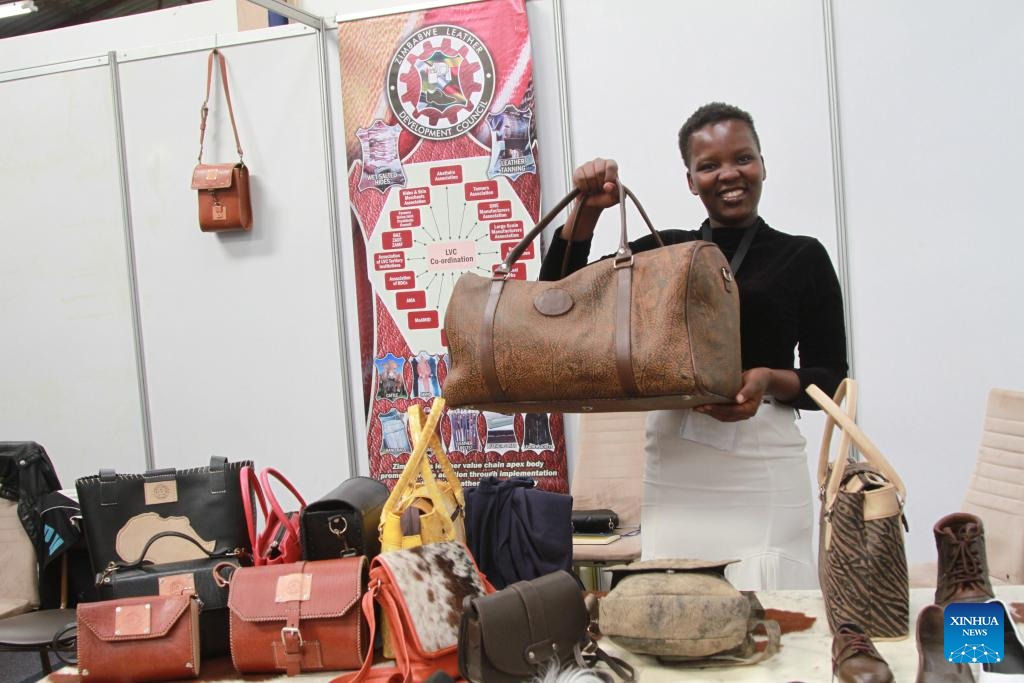
Judith Phiri [email protected]
SMALL to medium enterprises (SMEs) in the leather sector have called for access to affordable finance to aid them to upgrade machinery, enhance product quality and compete with imports.
Zimbabwe’s leather sector is undergoing a structured recovery, transitioning from a heavy reliance on raw hide exports to a high-value, design-driven production model driven by the Zimbabwe Leather Sector Strategy (2021–2030).
In an interview, a youth in leather, Miss Nicole Sibanda of Leather Witch Company, said capacitating SMEs in the leather sector was critical.
“To capacitate leather sector players financially, the Government and financial institutions should offer targeted funding schemes with reduced interest rates and collateral requirements,” she said.
“This is critical to ensure that as leather SMEs we can invest in modern equipment, develop e-commerce platforms, attend trade fairs and explore export opportunities in the African Continental Free Trade Area (AfCFTA).”
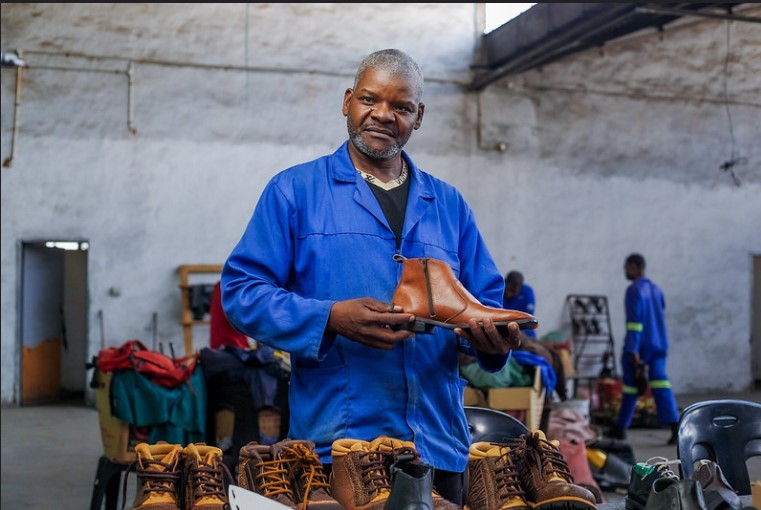
She said financial literacy training would also assist manage their finances effectively, while collaborating with local designers and brands can increase their visibility and create new products.
Bulawayo Leather Cluster secretary, Mr Fungai Zvinondiramba said there was need for a sector-specific financing model for leather players.
“I think what we need is a revolving fund for SMEs in clusters in the leather sector where if one gets an order, they can draw down from and getting the finance process must be streamlined to make it faster and easier to work with,” he said.
He said if such a facility is put in place it also promotes formalisation of leather sector SMEs to ensure they get real business in terms of orders.
Mr Zvinondiramba said being a formalised SME and having all the paperwork ensures that they produce standard products.
“We work with the Standards Association of Zimbabwe (SAZ) and International Organisation for Standardisation (ISO) to get these products certified so that we can be able to then approach the regional and international markets when our products are certified,” he added.
“We are also looking at a situation whereby collaboration also increases, because where there is access to financing, then there is also a lot of work falling into the hands of our SMEs and they will need to collaborate, while also taking advantage of the incubation centers or common facilities that we have.”
He said with leather incubation centers in Harare and Bulawayo, they were expanding them to Matabeleland South and North among other areas to empower SMEs in the sector.
Mr Zvinondiramba said funding SMEs will also increase uptake of leathers from tanneries as currently the uptake was very low because those that are supposed to be buying the leathers and using them are crippled in terms of funding.


 Online Reporter