Online Reporter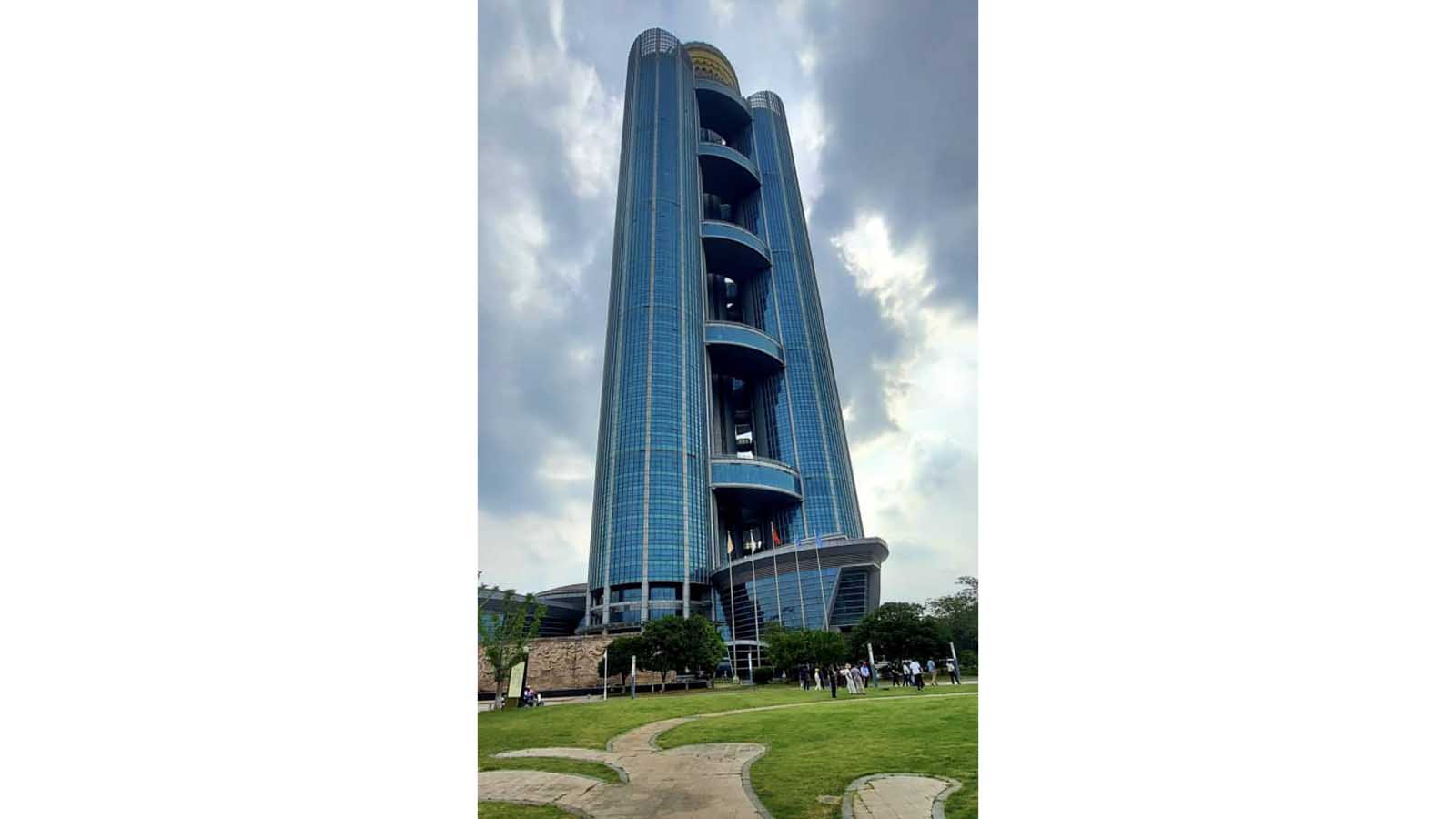
Tawanda Musarurwa in JIANGYIN, CHINA
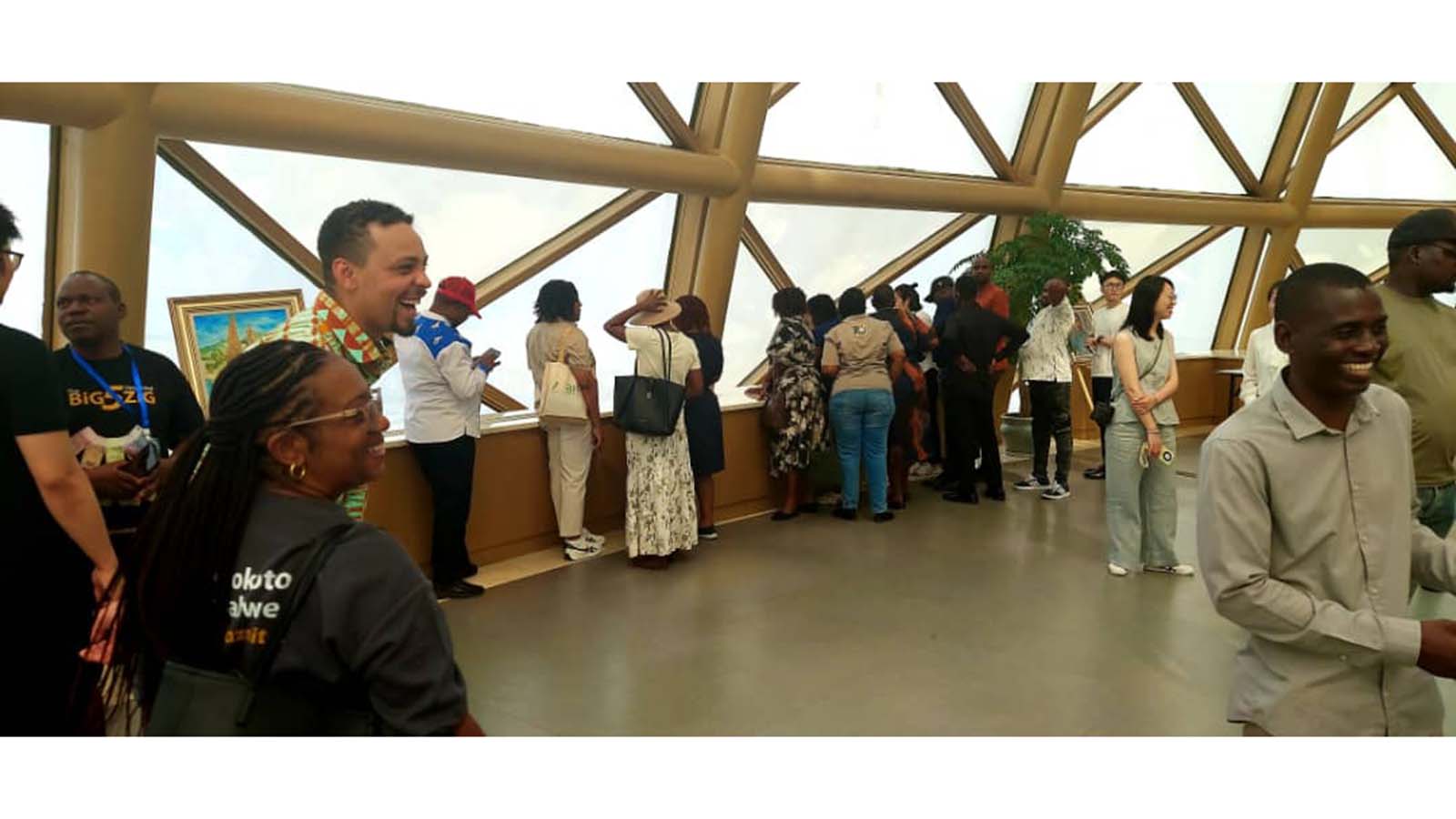
THE lift doors open on the 72nd floor of the Long Wish Hotel and some members of the Zimbabwean delegation still cannot quite believe how high up they are. The view helps settle the argument.
Over 300 metres below, Huaxi Village spreads below in every direction — factory rooftops, river cranes, expressways feeding into industrial districts that have made the county-level city of Jiangyin, the unlikely capital of Chinese manufacturing.
Huaxi Village carries on with the quiet confidence of a place that solved its economic problem a generation ago.
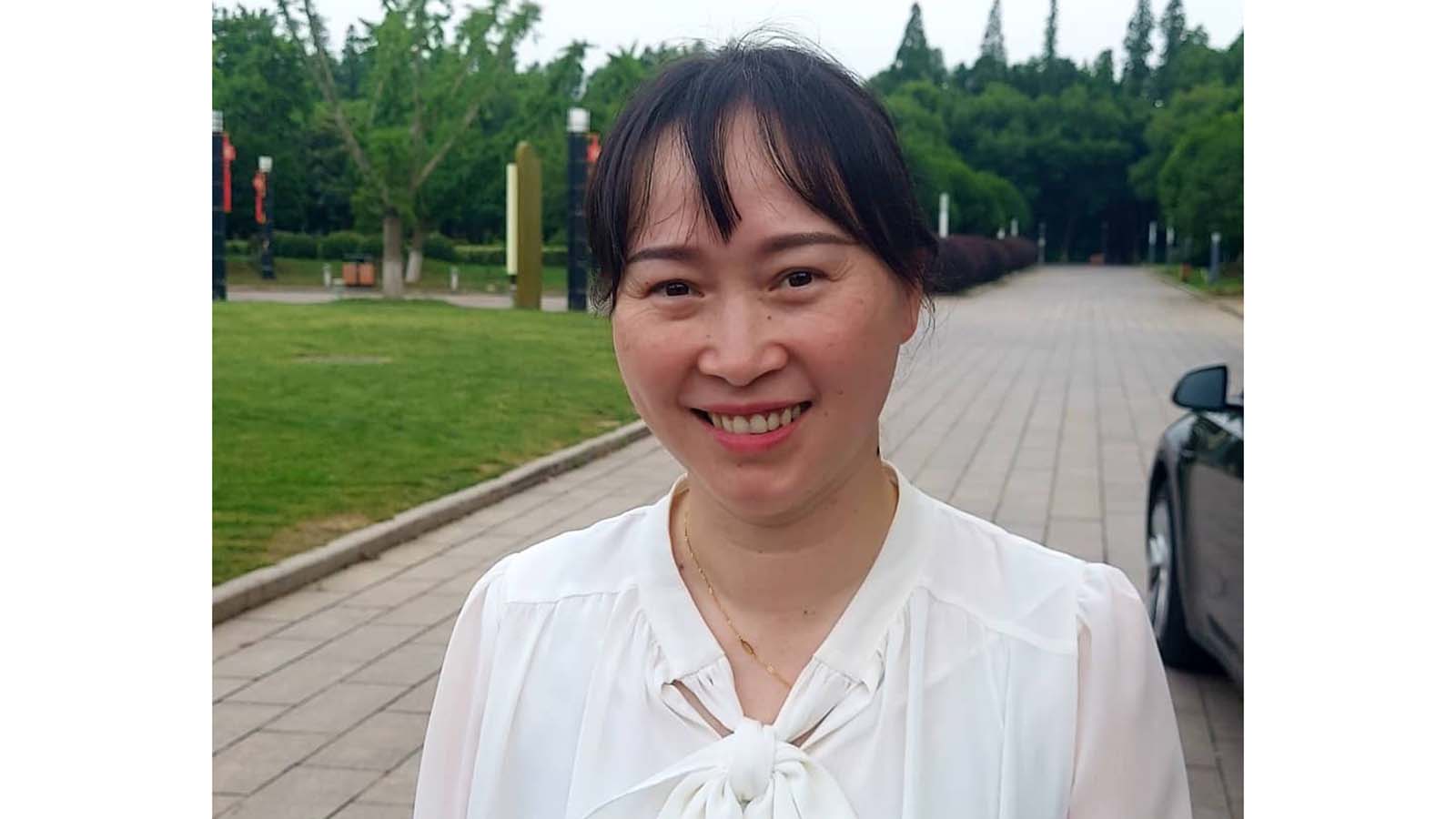
Ms Wu Liping was born here, studied here, married here and brought her husband back. She works now at the Training Centre for Revitalisation of Huaxi Village. “The village is providing us a good platform,” she says. “I do not worry about finding a job outside because our village has so many opportunities.”
The 800-room hotel cost around 3,5 billion yuan when it was constructed in 2011. By the time the delegation arrived for a tour of the hotel on Wednesday, they had already sat through several lectures on fiscal policy, industrial development and monetary management.
But, there is something the numbers in a lecture hall cannot fully convey — and the view from the 72nd floor does.
Fiscal, tax and monetary policies do not ultimately express themselves in spreadsheets. They express themselves in skylines, in the decisions of young women who choose to stay and in villages that stopped being villages without anyone quite noticing.
Zimbabwe’s delegation came to Jiangyin to study a model.
Huaxi Village showed them what the end of that model looks like.
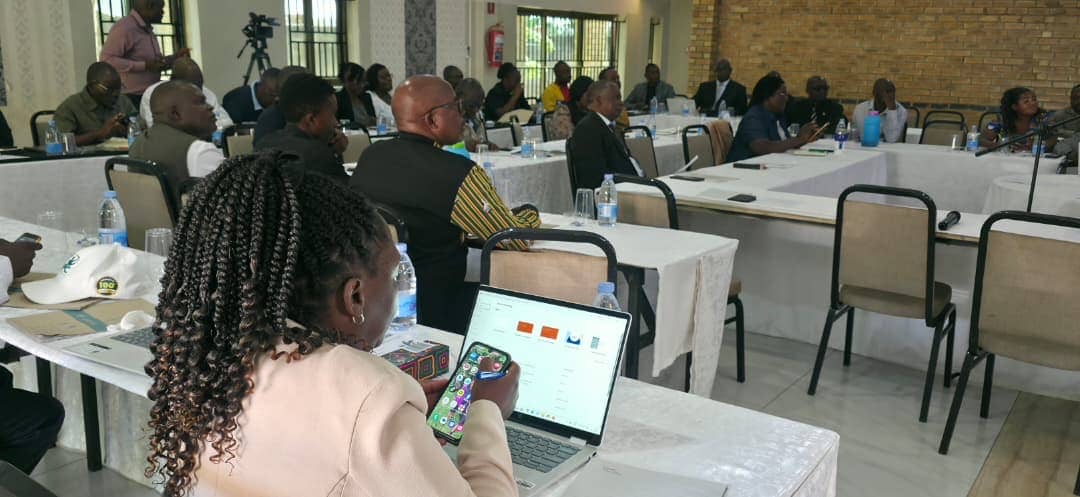
Professor Qian Hong’s lecture at Jiangyin Polytechnic College on Tuesday opened with a single slide that made the case plainly.
Jiangyin covers 987,5 km² and holds 1,79 million people — 1/10 000 of China’s land, 1/1 000 of its population. However, the city produces 1/300 of national gross domestic product (GDP), hosts 1/250 of China’s listed companies, contributes 1/200 of national tax and profit, and
accounts for 1/50 of the country’s top 500 enterprises. Its 2025 GDP is 527,21 billion yuan — roughly US$72,5 billion. Per capita GDP sits at approximately US$40 600, with per capita disposable income of 80 467 yuan, or about US$11 060.
Zimbabwe’s economy — 17 million people across 390 757 km² — generates roughly US$56,71 billion in nominal GDP. Per capita income is around US$3 200. The World Bank’s upper-middle-income threshold for 2026 starts at US$4 496 per capita gross national income (GNI).
Zimbabwe’s current figure, measured by the Atlas method, is US$1 740. Closing that gap by 2030 requires annual GNI per capita growth of approximately 14,5 percent.
Those are not comfortable numbers. But, Jiangyin was not always what it is today. It built itself into this position through deliberate choices, sustained over decades. It is a path that can be followed elsewhere.
A city built on enterprise
Start with the enterprises, because in Jiangyin everything flows from them.
The city’s 267 893 market entities include 97 988 registered enterprises — among them 1 234 high-tech firms and 3 256 national technology-based SMEs — alongside 169 392 individual businesses. At the top sit 68 listed companies, 44 of them domestically listed, with two new
additions in 2026 alone, giving Jiangyin the highest listed-company concentration of any county-level city in China. Seven firms hold national manufacturing single-product champion status, including CITIC Special Steel, Fasten Group and JCET. 81 enterprises carry the national
“specialised, sophisticated, unique and innovative” designation. Three provincial unicorns, three more incubating. Thirty-three Jiangsu gazelle enterprises; 44 Wuxi municipal ones.
None of it happened by accident. CITIC Special Steel is not just a steelmaker — it is Asia’s largest special steel base and holds a Global Lighthouse Factory designation from the World Economic Forum. JCET is China’s biggest semiconductor packaging and testing firm. Simgui
Semiconductor is world-class in advanced IC work. Envision Energy leads globally in wind power, storage and IoT. Jiangsu Sunshine Group produces more high-end wool textiles than anyone on earth. Jixin Wind Power runs the world’s largest wind power casting base. Fasten Group dominates domestic steel wire and bridge cables.
What is absent from that list is telling: raw material exporters. Jiangyin has iron; it makes steel, then precision components from the steel. It has wool supply chains; it makes finished luxury apparel. The value does not leave as ore or fibre; it leaves as product, and the tax base, the employment figures and the listed-company count all reflect that decision, built up over decades.
Infrastructure before industry
There is a more basic point the city makes before any of the enterprise data is considered: you cannot build what Jiangyin built without first being able to move things.
“If you want to become rich, you have to first build roads,” said Professor Qian.
The city sits on 35 kilometres of Yangtze River frontage, with deep-water ports and multiple 100 000-tonne berths. Shanghai and Nanjing are each 150km away, reached by the G2 Beijing-Shanghai Expressway and the G4221 Ning-Mao Expressway. The Jiangyin Bridge crosses the
Yangtze north-south; a new river tunnel supplements it. Metro Line S1 and intersecting high-speed rail lines keep people and goods moving within the city. Wuxi Shuofang Airport is 50 minutes by road; Shanghai Hongqiao is an hour by high-speed train.
The infrastructure did not follow the industry. Connectivity came first, and production clustered around it.
Zimbabwe’s NDS2 is attempting the same sequence — expanding Beitbridge, Chirundu and Forbes border posts, rehabilitating road and energy networks and developing the Victoria Falls-Harare corridor. The logic is the same: lower the cost of movement and production will follow.
The challenge for Zimbabwe
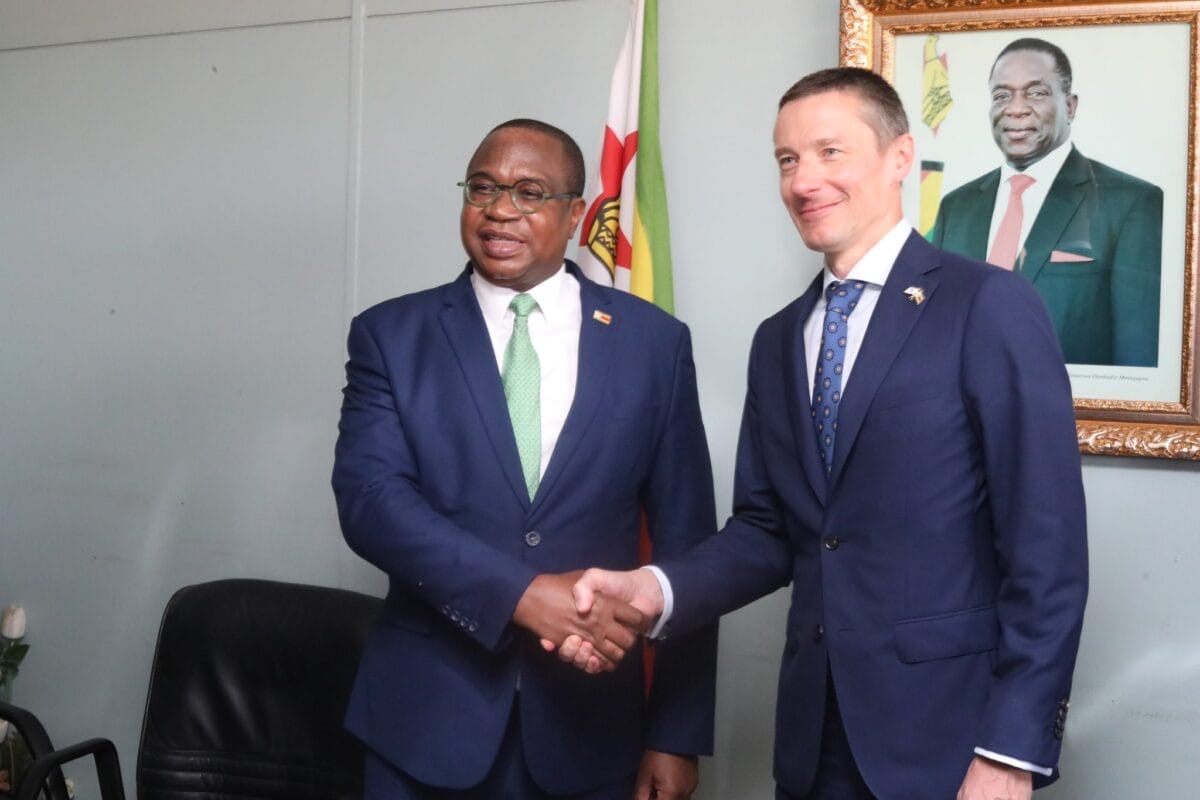
The delegation’s leader Mr Ngoni Manyika put the visit’s value simply.
“As Zimbabwe continues its journey of reform and resilience,” he said at Jiangyin Polytechnic College, “the knowledge we gain here will inform our efforts to build stronger institutions, enhance fiscal discipline and promote inclusive development for our citizens.”
During NDS1 (2021 to 2025), Zimbabwe’s economy grew at an average of 6,5 percent. Finance, Economic Development and Investment Promotion Minister Professor Mthuli Ncube has expressed confidence in sustaining 5,5 percent annual growth. GDP is projected to grow at 6
percent for 2025 and 4,6 percent for 2026. The direction is right. Against a required annual GNI per capita growth rate of 14,5 percent, the pace needs to quicken.
In a separate session on foreign aid and cooperation under the Belt and Road Initiative, CUFE instructor Bian Yang pointed to China’s Global Development Initiative — proposed by President Xi Jinping in 2021 — as a practical avenue for African countries to pursue infrastructure investment, industrialisation, food security and digital transformation. Its priorities map closely enough onto NDS2’s own targets to deserve serious attention.
The hardest comparison remains the enterprise one.
Jiangyin’s 68 listed companies, 97 988 registered enterprises and 1 234 high-tech firms were not the result of a good business environment alone. They came from a system that actively designated, rewarded and formalised enterprise at every level — preferential tax rates for certified high-tech firms, procurement advantages for national champions, patient capital for unicorns and gazelles.
The formalisation ran all the way from 169 392 individual businesses at the base to global lighthouse factories at the top.
NDS2’s drive to formalise Zimbabwe’s informal economy, deepen capital markets and grow the Zimbabwe Stock Exchange’s listed company base is an attempt to build something similar. The gap is not mysterious: Jiangyin’s 1,79 million people generate US$72,5 billion in GDP while
Zimbabwe’s 17 million generate US$56 billion.
That is not a population issue; it is a value-addition and formalisation issue.
The country’s platinum, gold and lithium already attract global capital.
The question is whether those resources leave the country as raw ore or as finished product.
Zimbabwe’s NDS2 targets 7 percent GDP growth, 2 million new jobs and a halved poverty rate by 2030. For these targets to be met, fiscal policy shoulf draw in private investment, the ZiG should hold its value and tax administration should find new taxpayers rather than squeezing existing ones.
The Jiangyin model does not make any of that simple.
But, for a delegation that spent Wednesday looking out over a city built from a narrow strip of riverbank — some of them still unconvinced, even at that height, that the floor numbers on the lift were telling the truth — it at least makes the destination visible.