
Word of the market
Tina Nleya
Afarmer with a good product needs to be visible to the people who can buy it.
Buyers need to know where the produce is grown, how much will be available and when it can be delivered.
They also need confidence that the product will meet their requirements. These details can determine whether interest develops into a sale.
This was a key lesson from the Agricultural Marketing Authority’s participation at Global Food Week in Abu Dhabi, United Arab Emirates, from 6 to 8 October 2026.
Engagements with prospective buyers highlighted opportunities for Zimbabwean agriculture and the importance of organising supply so that farmers can respond effectively.
The enquiries covered breeding goats and sheep, livestock feed, blueberries, organic produce and traditional grains.
Interest in seed also emerged through engagement with African participants.
While these discussions require follow-up before they can become commercial agreements, they provide useful direction for producers and agricultural businesses seeking new markets.
For livestock farmers, the interest in breeding animals deserves attention.
Enquiries included Boer and Kalahari Red goats, as well as sheep. This points to opportunities beyond meat sales, with buyers seeking animals that can contribute to their own breeding programmes. Farmers pursuing such opportunities need reliable breeding records and must work with veterinary authorities on the applicable animal health and export conditions.
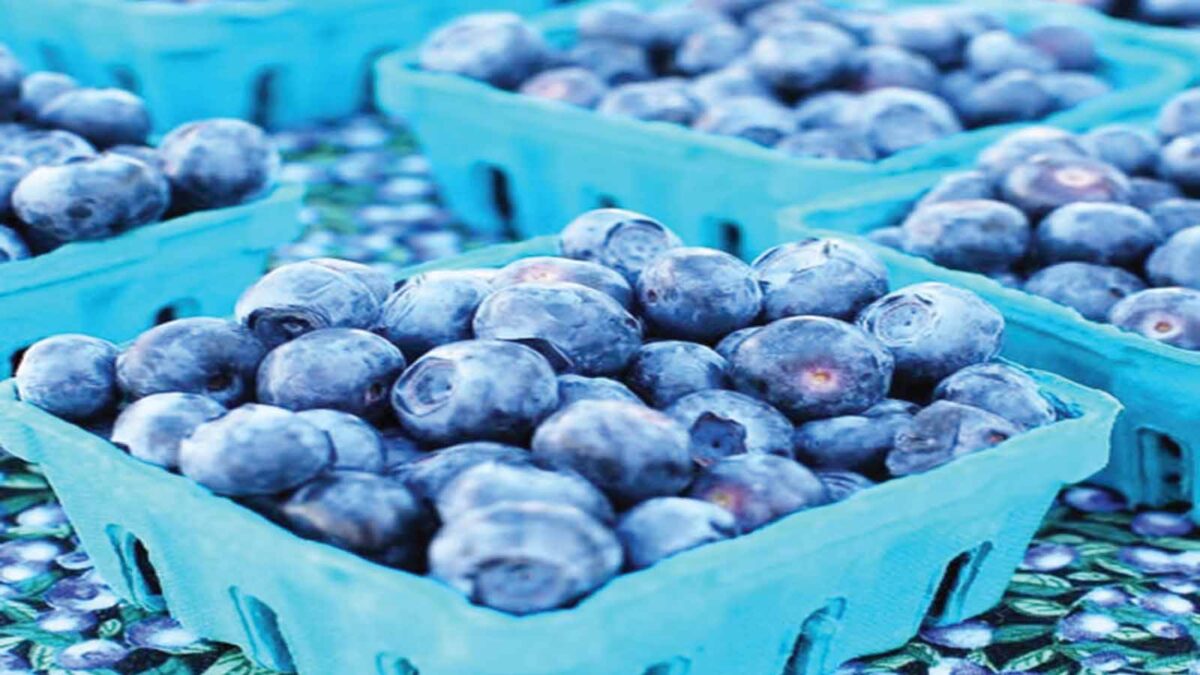
Blueberries also attracted enquiries, including interest in additional supplies from Zimbabwe.
Discussions with buyers reinforced the importance of coordinating available production to respond to requests for fresh produce.
The practical task is to establish which growers can supply, in what quantities and during which periods.
This is where farmer registration becomes particularly important.
AMA is encouraging farmers to register with the Authority and keep their production information updated.
Registration helps AMA identify producers, understand their activities and organise the information needed to match available supply with buyer enquiries.
Useful information includes the farmer’s location, commodities produced, expected marketable volumes, harvest periods and contact details.
Relevant information on quality, certification and access to handling facilities can further assist supplier matching.
For livestock producers, information on breeds and animals available for sale is equally valuable.
Accurate records make follow-up more practical. When a buyer requests a particular product, AMA can identify potential suppliers and establish whether their production calendars and available quantities match the enquiry.
Farmers should distinguish what they expect to produce from what is ready for sale and update the Authority when circumstances change.
Registration also supports aggregation. Several farmers may each have quantities that are too small to meet a buyer’s needs individually.
Through organised groups and coordinated marketing, their combined supply may create a commercially viable opportunity.
AMA can facilitate these linkages, working with producer organisations, aggregators and exporters. This can also help smallholder farmers participate through organised groups, supported by clearer information about potential market requirements.
Successful aggregation requires consistency. Farmers supplying together need to understand the same grades, packaging and delivery requirements.
A combined volume becomes useful to a buyer when its quality is dependable and deliveries can be coordinated.
Production information, therefore, needs to be supported by practical arrangements at farm and group level.
The UAE engagements also highlighted the importance of standards. Discussions covered testing for pesticide residues, veterinary drug residues, microorganisms, heavy metals and other food safety concerns.
The tests and approvals required will depend on the product and destination.
Farmers and exporters should establish these requirements with buyers and the relevant authorities early.
Record keeping is part of this preparation. Producers should be able to explain how their products were grown, handled and stored.
Where buyers request organic produce or non-GMO seed, the relevant claims must be supported by appropriate evidence.
A product description on its own does not establish that a supplier meets the requested specification.
Another lesson concerned value addition. Dried fruit and sesame paste were among the processed products exhibited, while enquiries also covered frozen blueberries.
These examples encourage Zimbabwean producers and processors to investigate different product forms rather than assuming that every opportunity requires fresh produce.
Processing decisions should still begin with demand.
Drying or freezing requires suitable facilities, quality controls and a clear understanding of costs.
Farmers need to work with processors and buyers to establish whether the final product has a viable market.
For fresh produce, cooling, packaging, transport and delivery timing must form part of the commercial assessment.
The same market-led approach can help reduce food losses locally. Planting decisions should reflect likely demand, expected harvesting periods and available outlets.
Coordinating production calendars can help farmer groups avoid delivering large volumes at the same time without adequate buyers, storage or processing arrangements.
Reliable buyer relationships are equally important.
The mission reinforced the value of working with the Zimbabwean Embassy and trade partners to verify prospective buyers.
Clear specifications, agreed payment arrangements and documented responsibilities can give both parties a stronger basis for negotiations and reduce misunderstandings.
AMA’s role is to bring market information closer to producers, facilitate buyer and supplier engagement and coordinate with institutions that support agricultural marketing.
The mission’s follow-up includes confirming buyer requirements, identifying suitable suppliers and exploring practical ways to improve access to standards information and testing services.
Farmers also need access to the information generated through such engagements.
Provincial offices, farmer organisations, commodity bulletins and appropriate digital channels can help translate market enquiries into useful guidance on production and marketing.
Information should reach producers early enough to influence their decisions.