Online Reporter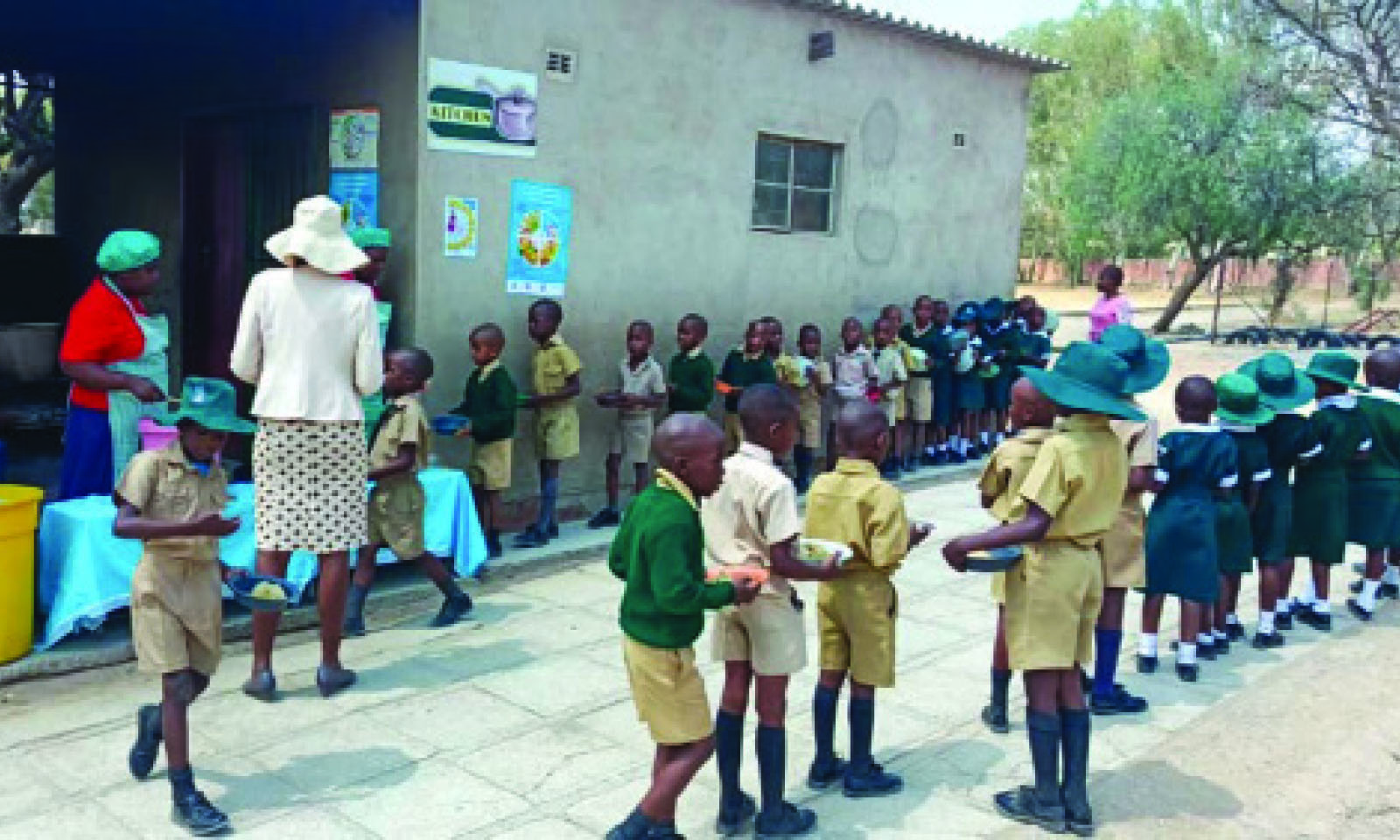
Precious Manomano
Zimpapers Reporter
In the bustling kitchen at Mawaba Primary School in Mzilikazi, Bulawayo, the morning air is thick with the comforting scent of cooking maize. Here, a powerful, quiet revolution is simmering in large pots.
It’s not a revolution of words, but of action — one plate of nutritious brown sadza, chunks and vegetables at a time.
This is the face of Zimbabwe’s flourishing school feeding programme, an initiative that has evolved from a simple concept into a national lifeline, ensuring that the pangs of hunger do not silence the sounds of learning.
For the 1 348 children at Mawaba, the promise of a daily hot meal has transformed the classroom. Gone are the days when a rumbling stomach was a primary distraction.
“The programme is continuing well in various provinces,” says Mr Taungana Ndoro, the Ministry of Primary and Secondary Education’s Director of Communications and Advocacy. “It is moving on well with the help of parents who are on the ground, cooking and dishing out meals.”
But this programme is far more than a government handout; it is a masterclass in community synergy.
The Government provides the essential backbone — non-perishable items like salt, cooking oil, beans, and grain.
The schools, often with gardens tilled by their own hands, contribute the fresh relish. And the parents?
They are the heart of the operation, donating their time, small cash contributions, and ingredients to cook and serve the food, with teachers seamlessly managing the logistics
This collaborative spirit has fostered something profound, a shared investment in the nation’s children.
“We are proud of our parents who are coming forward with cash and relish. These are our major stakeholders in the programme,” Mr Ndoro said, highlighting how the initiative has strengthened community bonds
The results are tangible and powerful. Reports from across the country indicate a significant surge in enrolment and a dramatic drop in absenteeism.
For a nominal fee of US$1 per month, a barrier has been broken down. The classroom is no longer a place where a child’s economic background is highlighted by an empty lunchbox; it is a place of equality, where every child is fed and can focus on the singular task of learning.
Mr Munyaradzi Majoni, Secretary General of the Zimbabwe National Union of School Heads, sees the profound impact daily.
“The school feeding programme is going a long way in alleviating hunger in schools,” he states, urging for its expansion to all public schools.
He notes that vulnerability exists even in affluent areas, and this programme directly addresses it.
The true success of the initiative lies in its multi-layered victory. It is not just about filling stomachs; it is about nourishing potential.
It fights the immediate crisis of hunger while simultaneously building a sustainable model to combat the long-term effects of poverty and food insecurity.
It empowers communities, fosters a sense of belonging, and gives every child a fair chance to learn.
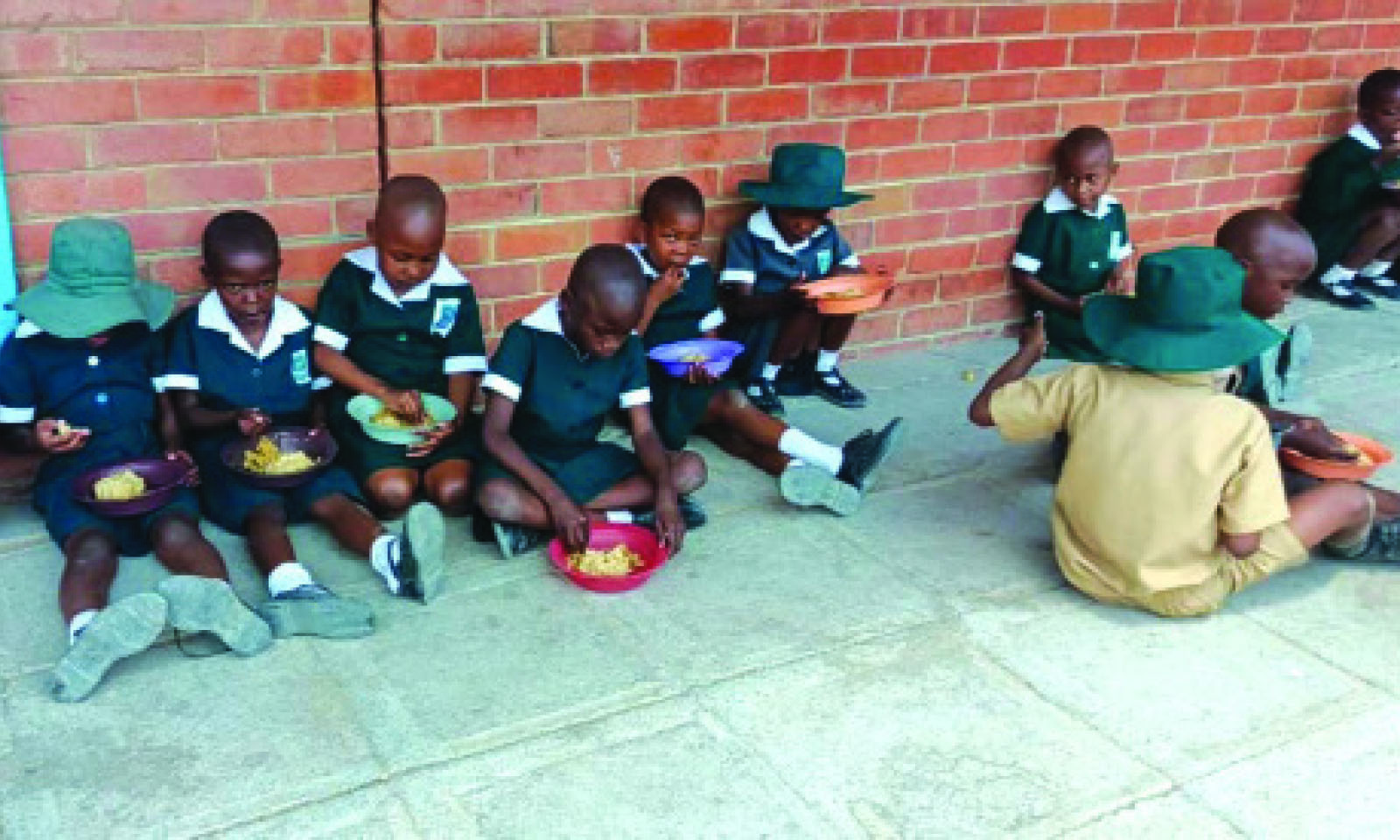
In a corner of the schoolyard at Mawaba Primary, a child enjoys a warm meal.
In that simple act lies a complex and beautiful truth: the future of a nation is being built, one secure, well-fed, and educated child at a time.
“We have been struggling to send our children to school; first, we had to find school fees, then buy uniforms, and on top of that, we had to fill our children’s lunchboxes. Now the feeding scheme has equalised every student; every child can have something to eat,” said Mr Obey Chitsa, who has a child enrolled at Mawaba Primary School.