Online Reporter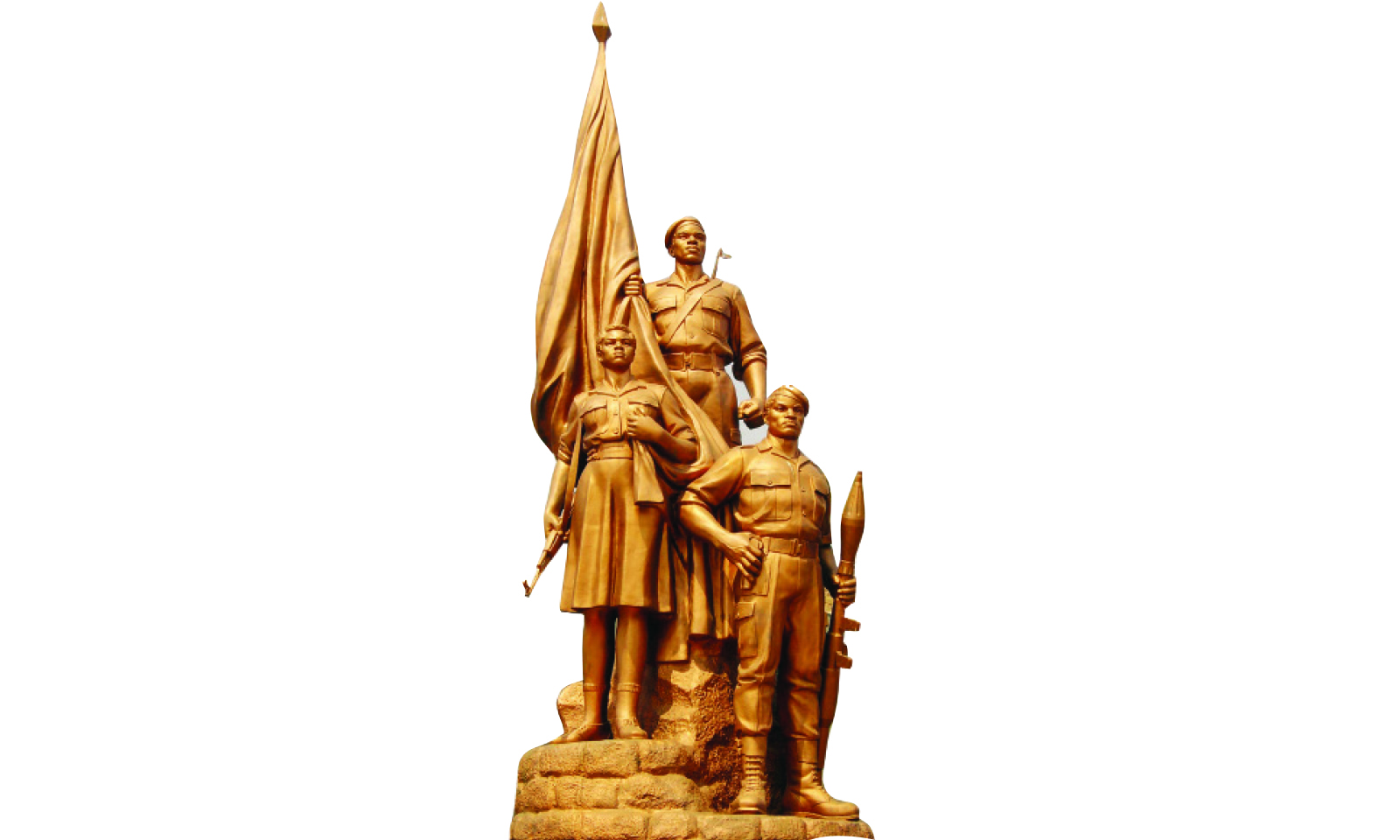
Isdore Guvamombe-Reflections
IT was silly cold in Chimufombo, especially near the confluence of Mupinge and Chapfeni rivers.
I stayed across the river, with grandmother Media Masakara (MHSRIP) and her son Ignatius (Sekuru Gina) again (MHSRIP), the rest of the Masakara family members had fled the war to Harare.
A faint warm breeze stirred the sleepy riverine vegetation leaves, bringing with it fragrance of flowering grass and trees, and a breath of something languid, inducing idleness, voluptuousness and strangeness.
On this night of July 17, 1978, moonlight slanted down through the leaves and blossoms of the thicket, making whimsical coloured patterns that flickered on the ground.
Under a normal night excursion, the moon would have been magnificent, but our circumstances needed it to be humble and soft. Not shouting!
The war was ragging and the pall of death was harshly all over. A woman had been killed at Farm 29, Nyakapupu, just across the river, in a night battle, that left villagers at a night vigil scampering for cover or injured.
Tree leaves cracked under our feet and I was particularly worried about the creepy creatures, but my high cut canvas shoes gave me some comfort.
This July night was unique. As I cast my eyes on the forest, there was a ghostly figure of the day itself. I watched the forest again! It was tinged superfluous!
The baskets of food were heavy and hot. The food was still steaming. Grandmother walked and broke into fox trot, her bare feet leaving tractive footprints.
I followed closely trying to keep pace with her. It was a delicate move. She was deft footed. My uncle Ignatius was in tow. He was a year older than me and carrying a much heavier load.
The combatants were hungry and waiting for the food at the base. The war was intense and they needed to eat and move on. They had a target they needed to hit late that night.
I carried a basket delicately on my head and a water container dangled from my right hand. After a short distance, I would change the container from one hand to the other. So did Sekuru Gina. But grandma was resilient.
Suddenly we came to an open stretch, which was the most dangerous, for Rhodesian soldiers could easily snoop on us. Grandmother plunged into the open space at the same speed and without looking back or sideways, she increased her speed to a stretch where the grass was tallish.
Soon we were past the open spaces and we headed for another forest and the footpath cut across mercilessly, like a sharp knife. On the verge, I saw the green grass turning a golden hue from the dainty patches of light that flickered from the moon and quivered as if they were living. The moon was about to set.
Then there were fireflies that made the grass under the trees look like it was about to catch fire. They flew effortlessly, but seemingly without purpose.
Suddenly a voice asked for a password and grandmother quickly answered correctly. Soon we found ourselves at the base where Msasa trees provided cover on the verges.
The ZANLA, the military wing of Zanu PF, had a huge base there.
It was near Chimufombo and carefully located near the confluence of Chapfeni and Mupinge rivers. The frogs that proffered a cacophony of sounds went dead silent as we approached the base.
They were probably listening to our conversation with the combatants. Establishing a base near a river was strategic. The frogs always informed about visitors. When there was no movement and dead silence, they would sing loud like drunken villagers, but as soon as a person appeared, they would shut up.
Back to basics, we tested our food and water as a safety ritual and then the boys, as the combatants were obliquely referred to, shared the food and ate quietly.
They were very orderly. Others lay in positions, guarding the base and they also got their share. Grandmother was asked several questions about the war, the execution of the war and the thinking in the villages. She was asked about the Rhodesian forces, their frequency and type of weaponry and I was shocked by her knowledge. She answered with confidence. The commander, Cde Mcduff Mandebvu, spoke with a soft but authoritative voice.
Soon we left the base, using the same route. Two “boys” as the freedom fighters were referred to, escorted us for some time then suddenly they bade us farewell and were swallowed by the night.
The moon had set by this time. As we approached home, we heard gunshots. There was light gunfire. Then there was a loud bang. It must have been a bazooka. Then there was dead silence.
The battle shifted to some thicket in the place called Gonyo, a Korekore language for a river bend or meander.
Here Mupinge River meanders as it flows down to its confluence with Dande River in Mukwenya area. Here again, the river demarcates Chimufombo and Nyakapupu. It was very thick and hard to manoeuvre even in broad day light.
Here again, it was believed to be a scared haven for the spirit mediums of the north. Finally, ithere is where the Rhodesians perished that night.
Early morning, Rhodesian Air Force helicopters flew like birds combing the area for bodies. We could not count bodies as they were picked, but we could tell from the pickings that it was sad.
Upon arriving home in the wee hours, we huddled in one of the houses, then moved to the nearby banana plantation, for the Rhodesians had a tendency to drop bombs on family homes. It was a hectic day.
Grandpa, has a huge banana plantation and for half the day we hid under its cover until calm returned. Thereafter, stories of Zanla conquest were told in abundance.
The Rhodesians slowed their activities in the area, while freedom fighters increased their presence. They would frolic during the day and attack at night.


 Peter Tanyanyiwa