admin
admin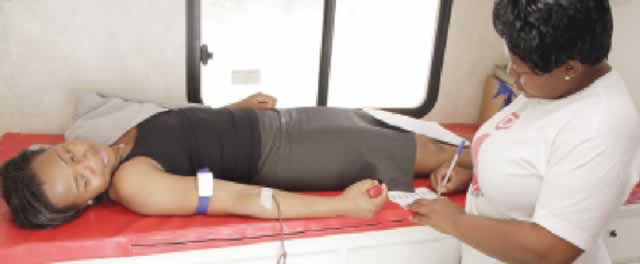

Edwin Mutuka
Today, all roads lead to Bulawayo’s Large City Hall car park where commemorations to mark World Blood Donor Day are being held. Bulawayo Metropolitan Province has been mandated to host the national event this year. Last year, celebrations were conducted in Mashonaland West Province.
World Blood Donor Day, commemorated annually worldwide is a celebration of the unsung heroes directly responsible for saving or improving the lives of millions of patients by freely donating their blood.
Fundamentally, it is an urgent invitation to people particularly the young, to make responsible choices, maintain a healthy lifestyle and give blood regularly. The day is observed on June 14 every year. The theme of this year’s campaign is “Thank you, for saving my life”. It focuses on paying tribute to all blood donors who save lives every day through their blood donations. The theme strongly encourages more people all over the world to donate blood voluntarily and regularly with the slogan, “Give freely, give often. Blood donation matters”.
The campaigns aim to highlight stories from people whose lives have been saved through blood donation, as a way of motivating regular blood donors to continue giving blood and people in good health who have never given blood, particularly young people, to start doing so. The global hosts for 2015 is Shanghai, China. Bulawayo Metropolitan Province leads the proceedings in Zimbabwe. A string of entertainment activities have been lined up for the day which is also expected to be graced by a number of health related exhibitors to spice up the occasion.
Why is blood important in our lives? From the day that human life is conceived, blood fulfils a life giving and nurturing role. In the womb, the mother’s blood ensures that the foetus is supplied with crucial oxygen and nutrients and benefits from the mother’s antibodies against diseases. Around 500,000 women die in childbirth every year, mainly due to severe bleeding where blood transfusion is not readily available.
Every time a person’s heart beats, 20 percent of the heart’s output goes directly to the brain, carrying oxygen which is vital for survival. Many blood products are given every minute of the day to people exposed to risk due to disease or injury. The average volume of blood in an adult is 4-5 litres or about 8 percent of the body weight. A key issue as we observe World Blood Donor Day is the fact that donated blood is required to be safe and free from infections such as HIV, Hepatitis B and C and Syphilis. Good health contributes to safe blood and depends on lifestyle and disease prevention.
Eating a balanced diet with an adequate vitamin and micro-nutrient supply, keeping a clean environment, and avoiding risky situations help to keep people and their blood healthy. A healthy society means more safe blood and a reduced need for blood transfusion. In Zimbabwe, 40 percent of the blood donated is provided to women following complications during childbirth. Twenty-five percent caters for children and other medical cases. Surgery and trauma consumes about 35 percent of the blood.
While, indeed, blood transfusion saves lives and improves health, many patients requiring transfusion do not have the chance to access to safe blood. This is partly because National Blood Services Zimbabwe may not always have adequate stocks of safe blood. World Health Organisation (WHO) recommends 10 units/1,000 population as national requirements. NBSZ reached the highest figure of 6.2/1,000 population in 2012. The figure could be increased if more healthy people who have never donated blood begin doing so.
Collection of blood is from the ages of 16 to 65 years. World Blood Donors’ Day is indeed an occasion for all those people capable of donating blood to be motivated to continue doing so to save lives. It is also an opportunity to encourage the young people (who happen to be major donors) to stay healthy and maintain positive lifestyles that will ensure they continue providing safe blood.
Indeed, this rare opportunity to host the event which comes once in a decade is a good chance for Bulawayans to show their solidarity by coming up in their thousands to commemorate this important national event.
For who knows who and when we will need a safe blood product?


 Online Reporter