

 admin
admin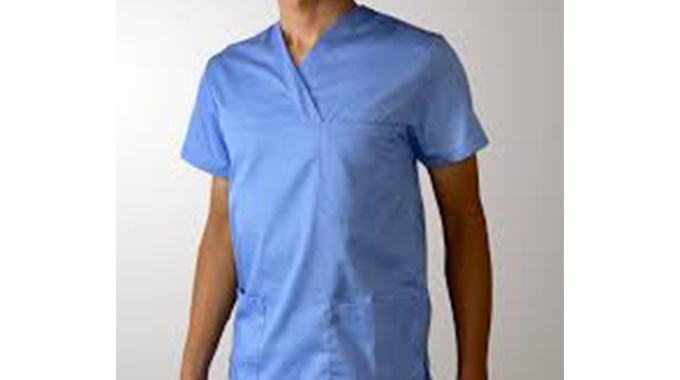
Fadzayi Maposah, Correspondent
I got into the commuter omnibus, a routine I have become quite used to lately.
Since the beginning of the year, I have taken countless rides, experiencing the flow of city life.
Each journey has imparted lessons that I carry into 2025.
On this particular day, I found myself wedged between two young men. The one on my right, clad in a hooded jacket, was engrossed in his phone, while to my left sat a young man in scrubs.
I have a complex relationship with scrubs.
I firmly believe they belong within hospital premises.
The sight of health personnel roaming the streets in scrubs still unsettles me.
In truth, I struggle with it. When I see someone in scrubs in a public space—be it a supermarket or a bus—I cannot help but feel a twinge of discomfort.
As I settled into my seat, the young man in blue scrubs caught my attention.
His scrub top, adorned with his name and designation, was a stark reminder of the changing norms.
Suddenly, two more health personnel boarded the omnibus—a male and a female, both in scrubs.
It seemed that scrubs were invading every corner of town. Have you ever walked into a supermarket and spotted someone in scrubs by the delicatessen, ordering a snack?
Or perhaps you have seen one at the butchery, selecting meat to take home?
It may be early afternoon; they could be on their way home after a shift or grabbing a quick bite before heading back for night duty.
Even at the local market, where vendors roast mealies, scrubs are now a common sight.
Fast food outlets? You bet! It is not unusual to find health workers ordering pizza or seated there enjoying a meal.
Next week, I challenge you to set aside a day to observe the number of people you encounter in scrubs. I can assure you, they will be dashing to or from work in their distinctive attire.
Scrubs have transitioned from mere uniforms to fashion statements, capturing the attention of many in Zimbabwe. Though I have never worn scrubs myself, I hear they are comfortable.
My pyjamas are indeed cosy, yet I would not dare wear them in public.
They are strictly for the indoors. On those rare occasions when I have to step outside, I always throw something over my pyjamas.
I admit, some parents, especially mothers, may do the school run in their pyjamas and morning gowns, but that is a tale for another day.
Let us delve deeper into the scrubs phenomenon.
They come in a variety of colours—blue in all its shades, green, pink, maroon, and more.
Scrubs are traditionally worn by healthcare professionals, making it relatively easy to ascertain their sector.
Originally designed for surgeons, scrubs are now commonplace among all health workers, even veterinarians! Interestingly, scrubs were once white but were changed due to practicality.
The bright lights in hospitals made it difficult for staff wearing white to see properly, thus green scrubs became the norm in the 1950s.
Despite their current popularity in Zimbabwe, scrubs serve a specific purpose—they are designed for environments that have been scrubbed clean.
In fact, they are technically referred to as scrub suits.
The top features a V-neck with pockets, practical for carrying small items—even change for the bus ride!
It is generally advised that health professionals wear something underneath for quick changes after their shifts. But how many actually follow this guideline?
This raises a crucial debate; should scrubs be worn outside health facilities?
Critics argue that wearing scrubs in public heightens the risk of contamination. Scrubs worn in hospitals may harbour germs or bodily fluids that could spread outside.
Imagine a health worker visiting a vendor for maize; they could inadvertently transfer pollutants or allergens back into a sterile environment.
While we may not all wear scrub suits, we should reflect on the aspects of our health that indeed need scrubbing.
The best results come from having such scrubbing conducted in a health facility.
Let us keep the scrubbing where it belongs—within the confines of hospitals, away from commuter omnibuses, markets, food outlets, and shops.



 Online Reporter