Online Reporter
Langalihle Mhiti
SINGER and songwriter Julian King, has called on Zimbabweans to embrace and promote their own culture and music instead of placing foreign entertainment on a pedestal.
Julian King said Zimbabweans needed to start appreciating their own creative talent if the local entertainment industry was to grow.
“This might not reach enough people, but it’s a conversation we need to have,” he said.
“As Zimbabweans, let’s love ourselves more. That’s the starting point. I’m repenting too.”
The singer’s remarks come as Zimbabwe’s entertainment industry continues to battle questions around local content consumption, recognition of home-grown artistes and the influence of international music on local audiences.
Julian King said Zimbabweans often celebrate entertainment cultures from other countries while overlooking the talent available at home.
“We care about entertainment cultures and people that have uplifted themselves to a point where we consider them cool. It’s all about perception,” he said.
According to Julian King, changing the perception around local talent should begin with Zimbabweans themselves taking pride in their culture, musicians and creative products.
“It starts by promoting our own local culture and music,” he said.
The United States-based artist has previously spoken about the importance of creating music capable of reaching audiences beyond Zimbabwe while remaining connected to his roots.
His musical career has seen him explore Afro-pop, Afrobeats, dancehall and other contemporary sounds.
King’s music journey has also included collaborations with other Zimbabwean artistes, with his 2023 track “One By One”, featuring Saintfloew, becoming one of his notable releases.
He believes Zimbabweans should therefore be more deliberate in supporting local musicians rather than waiting for international recognition before appreciating their work.
“The US, South African, Nigerian music charts don’t know or rate us. We shouldn’t worship theirs,” Julian King said.
His comments highlight the long-standing debate around the consumption of foreign music in Zimbabwe, particularly from South Africa, Nigeria and the United States.
While international sounds continue to influence local musicians and audiences, King believes there is a need for Zimbabweans to create an environment where local music can thrive on its own merit.
“Everyone has a part to play,” he said.
The artist has previously described his music as carrying an international sound while remaining rooted in positive messages.
In an earlier interview, he said his compositions were intended to inspire people to become the best versions of themselves.
King’s call for greater support of local culture also comes against the background of his own experience as a Zimbabwean artist based abroad.
He returned to Zimbabwe in 2025 after several years away and spoke about the warm reception he received from fans, relatives and fellow artistes.
Beyond music, Julian King has been involved in initiatives aimed at supporting disadvantaged learners, showing his interest in using his platform to contribute to society.
For King, however, the first step towards strengthening Zimbabwe’s entertainment industry remains simple – Zimbabweans must learn to value their own.
“Let’s love ourselves more,” he said.


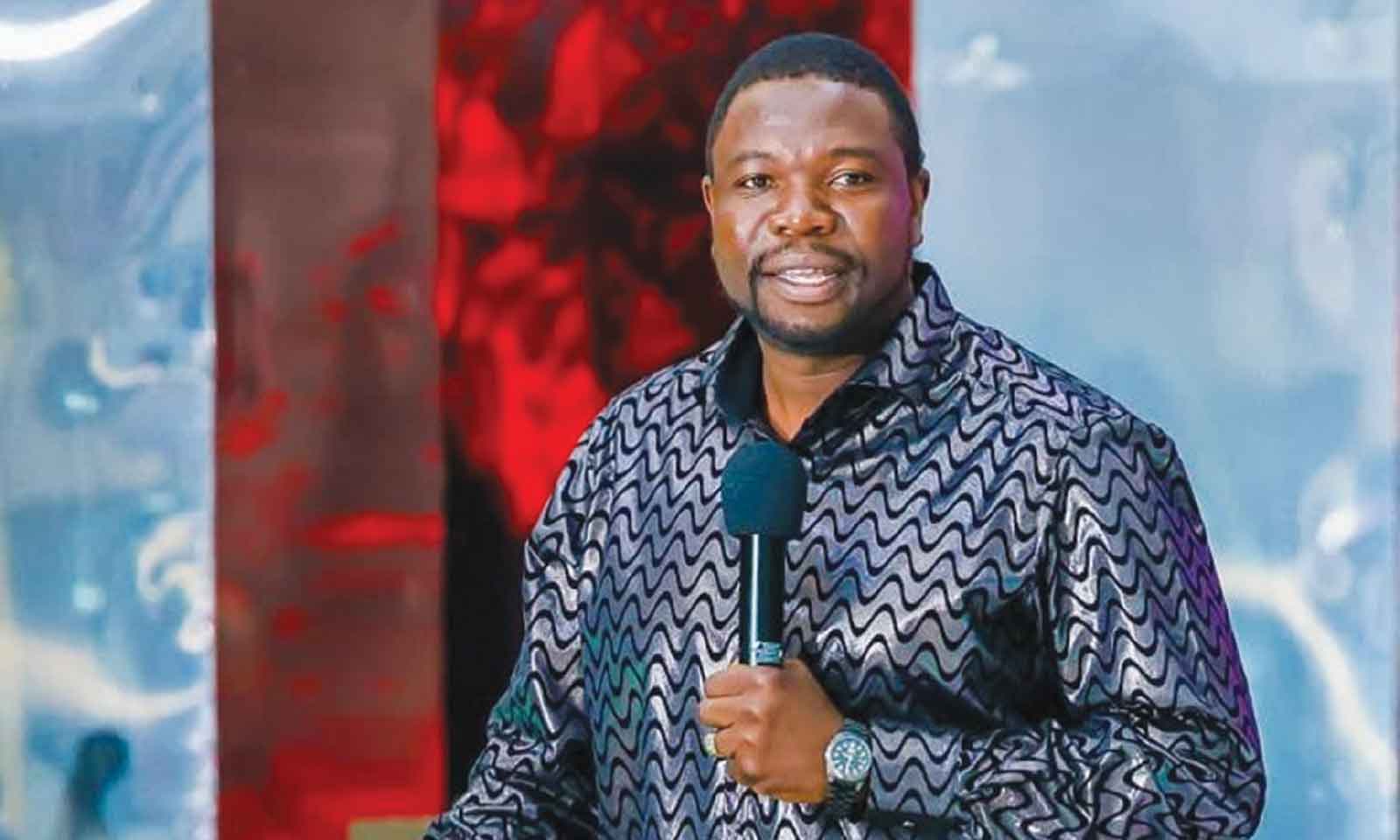
 Mathew Masinge