Online Reporter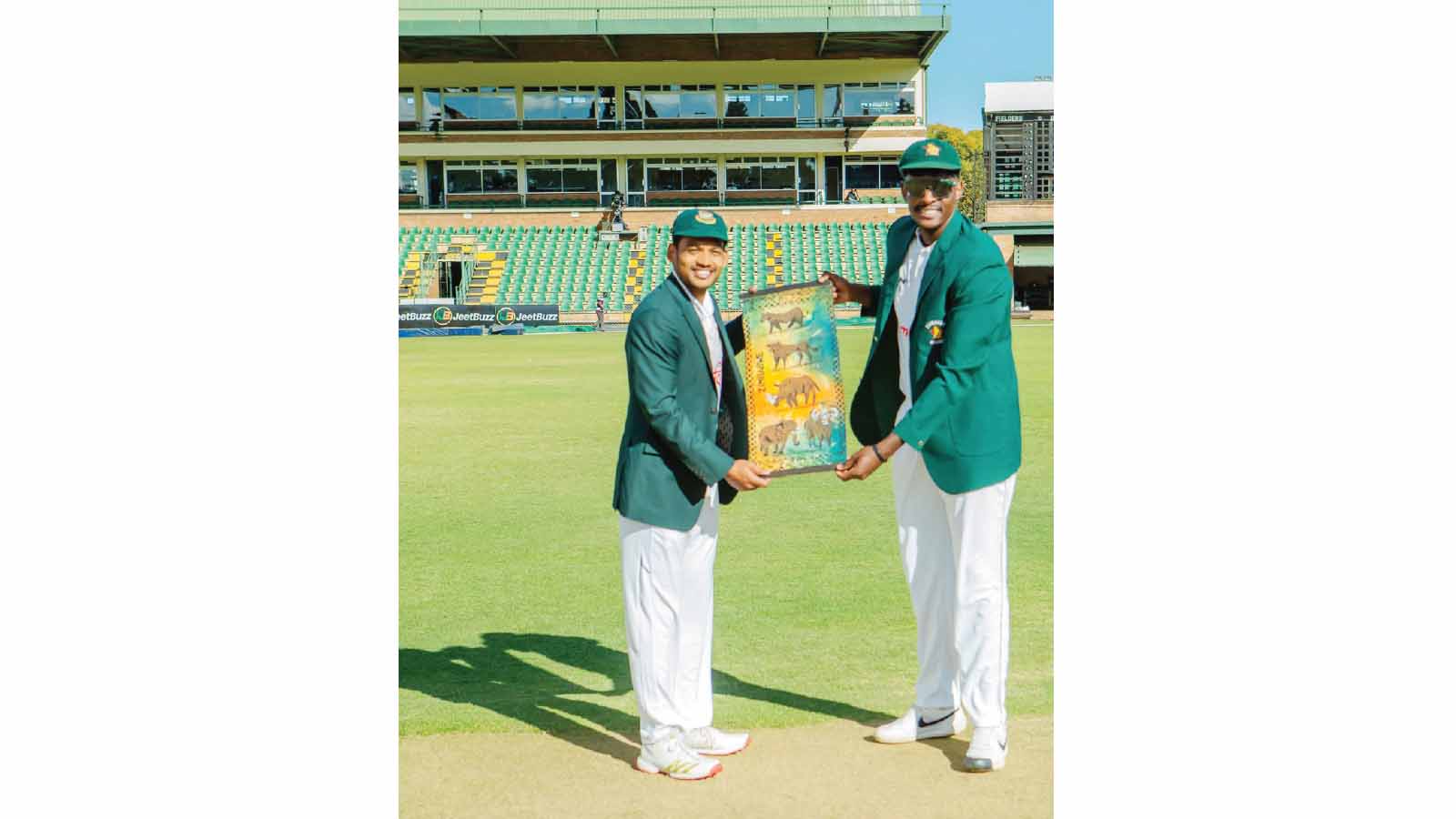
Prosper Tsvanhu
Former Zimbabwe Cricketer
HOW absolutely glorious.
How utterly, brilliantly unscripted.
When Bangladesh completed a magnificent nine-wicket Test victory over Australia under the blazing sun in Darwin, the cricketing world stopped in its tracks. It was a result that sent a genuine shiver of delight through the international game, a triumphant, defiant broadside delivered by a side so often patronised as mere peripheral figures in red-ball cricket.
Make no mistake, this was no accident, nor was it a stroke of divine good fortune.
It was a performance forged in pure, unadulterated steel. Hasan Mahmud bowled with sublime, late-moving craft, swinging the red leather with pristine precision. Mehidy Hasan Miraz twirled through the middle order with marvelous, quiet authority.
And at the crease, young Tanzid Hasan announced himself on the grand stage with a maiden Test century of sheer class, backed by the unyielding composure of Litton Das and Najmul Hossain Shanto.
They dismantled Australia’s proud attack with warmth, flair and ruthless execution.
Yet, as the applause echoed across Darwin, the warmest smiles were undoubtedly found thousands of kilometers away on the grass banks of Harare Sports Club. Because for Zimbabwe, this wasn’t just a fascinating result from Down Under.
It was the ultimate validation of their own remarkable journey. Cast your mind back just two months ago in Harare. Zimbabwe produced three days of breathtaking, authoritative cricket to crush this exact same Bangladeshi team by an innings and 85 runs.
Innocent Kaia stood like a colossus, crafting a majestic 140, before Blessing Muzarabani, Richard Ngarava and Newman Nyamhuri unleashed a ferocious, seam-bowling masterclass.
It was an exhibition of sheer tactical genius over an opponent actively sharpening its red-ball teeth.
Rewind 14 months further to the heat of Sylhet.
On a spinning minefield where Miraz turned the ball through hoops, Zimbabwe showed immense heart. They absorbed the pressure, gritted their teeth and completed a thrilling fourth-innings chase under the scorching sun.
Brian Bennett and Ben Curran provided the spine, Wesley Madhevere brought the house down with the winning runs. To win in the subcontinent, and then back it up by blowing Bangladesh away at home, proved beyond any shadow of a doubt that this Zimbabwean side possesses genuine international pedigree. Too often, the traditional establishment looks down its nose at matches between non-traditional Test nations, dismissing them as second-tier affairs.
Darwin blew that snobbery completely out of the water. The Bangladesh team that was dismantled in Harare is a fully realised Test machine capable of slaying Australia in their own backyard.
Which brings us to the tragedy of the modern calendar. Zimbabwe last shared a Test field with Australia way back in October 2003.
Australia took Perth but that second Test at the iconic SCG was a magnificent, romantic contest.
Stuart Carlisle anchored the innings with a brilliant, heroic 118 against Lee, Gillespie and Bichel.
The marvelous Ray Price twirled his way through a legendary spell of 6 for 121, claiming Hayden, Waugh and Gilchrist in a staggering display of stamina, while Mark Vermeulen fought like a tiger at the top.
It was also a beautiful glimpse into the future, as a 20-year-old Vusi Sibanda stepped onto the big stage for his debut alongside Tatenda Taibu’s fiery, courageous presence behind the stumps.
Twenty three long years have passed since that electric week in Sydney. Not a single red-ball encounter has been scheduled since. It is an absolute travesty.
The World Test Championship, for all its grand ambition, remains a deeply flawed, closed-shop elite.
By restricting the league to nine favored nations, the ICC leaves Zimbabwe, Afghanistan and Ireland out in the cold, forced to survive on hand-to-mouth, unsanctioned two-match series.
But when those locked outside the castle consistently beat those on the inside, the illusion shatters.
Of course, the local administrators are working tirelessly under extraordinary demands.
With Zimbabwe proudly co-hosting the 2027 ODI World Cup alongside South Africa and Namibia, our board is rightly pouring heart, soul and massive resources into making the country proud on the world stage. Stadiums are being modernised, facilities polished, and grand logistics prepped to welcome the world to Harare and Bulawayo.
It is a monumental undertaking and Zimbabwe Cricket deserves immense credit for bringing the global spotlight back to our soil.
Yet, as our board builds the infrastructure for 2027, the ICC must step up to ensure our red-ball stars aren’t left stranded by an unforgiving global calendar.
Under the current international schedule, the Chevrons aren’t slated for another Test until South Africa visits in mid-2027.
Our local administrators have built a hungry, settled Test squad, but they cannot force the world’s elite to play us on their own. The ICC must facilitate those doors opening. Darwin proved that the gap between the traditional elite and the rising nations isn’t a matter of skill. It’s purely a matter of opportunity.
Zimbabwe have the pace, the flair and the fight to take on anyone in world cricket today.
It is high time for the global custodians in Dubai to tear down the velvet ropes, expand the World Test Championship, and give Zimbabwe the fixtures this board and these players have so rightfully earned.



 Mathew Masinge