Online Reporter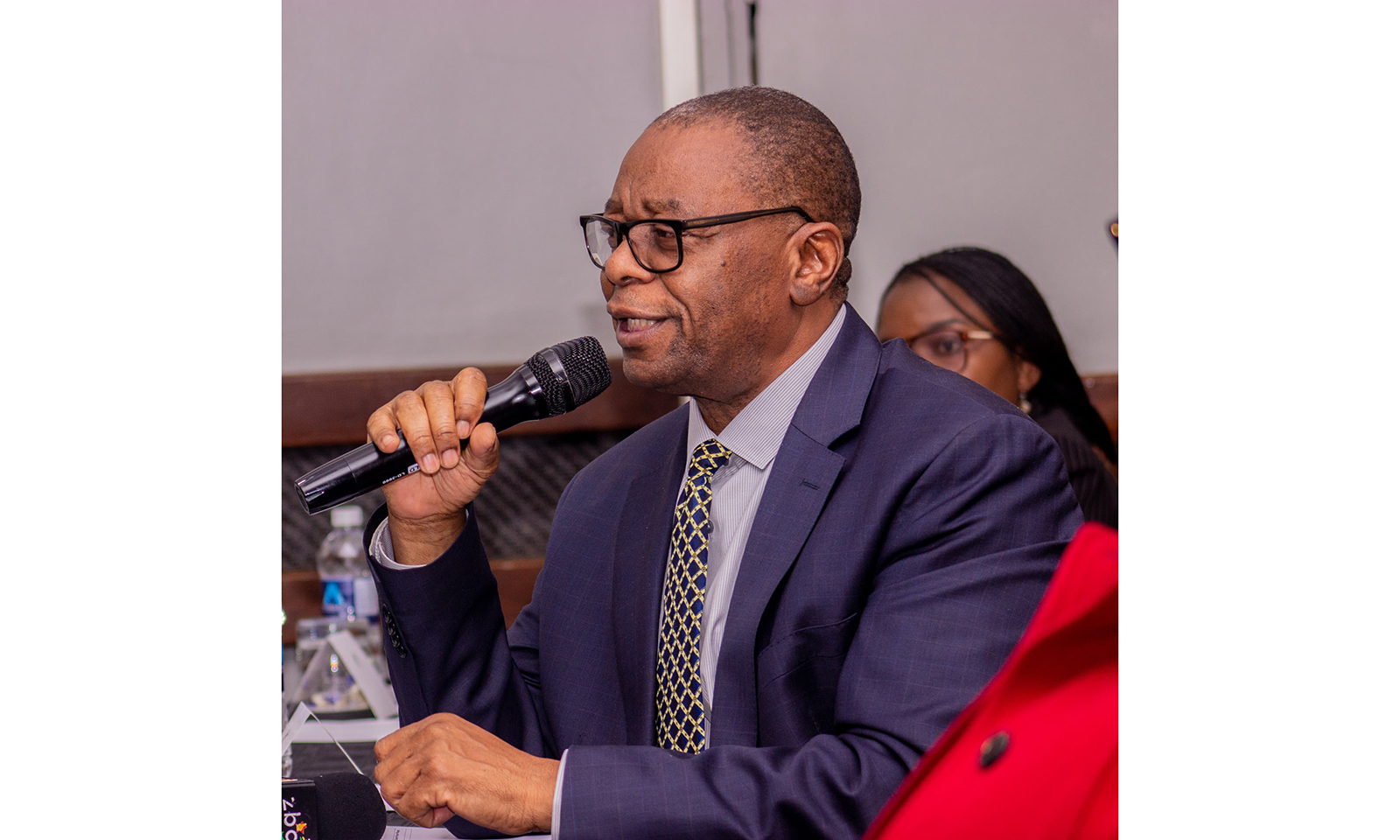
Abel Ndooka
THE media has been challenged to be sensitive when reporting on HIV issues as inaccurate reporting can lead to stigma and discrimination towards people living with the virus.
Speaking at a media breakfast meeting organised by the Zimbabwe National Network of People Living with HIV (ZNPP+) in Harare today, the Minister of Health and Child Care Dr Douglas Mombeshora said stigma and discrimination are barriers to the nation’s HIV response.
“Stigma and discrimination remain among the most damaging barriers to Zimbabwe’s HIV response,” he said.
“For people living with HIV, the impact goes beyond emotional distress. It is structural and systemic.
“Stigma isolates individuals, erodes their self-worth and discourages vital actions like HIV testing, disclosure, and adherence to treatment.”
Dr Mombeshora said discrimination in families, workplaces, healthcare institutions and communities create fear and silence that allow the virus to spread unchecked.
“No one should feel ashamed for living with a health condition,” he said.
“Our collective commitment must be to build a Zimbabwe where every person living with HIV is treated with dignity, respect and compassion, free from judgement and fully supported to live a healthy, productive life.”
Dr Mombeshora said the media has a huge role to play in dispelling myths and amplifying the resilience of those affected by HIV.
“The is an indispensable stakeholder in the ministry’s work and plays a critical role not only in Zimbabwe’s HIV response but also in Government policy formulation,” he said.
“You shape public awareness, foster accountability, and encourage dialogue that informs evidence-based decisions.
“Your voices are essential to advancing health equity, dispelling myths, and amplifying the resilience of those affected by HIV.”
The minister said approximately 1.3 million Zimbabweans are living with HIV and over 96 percent are accessing life-saving antiretroviral therapy (ART).