

 admin
admin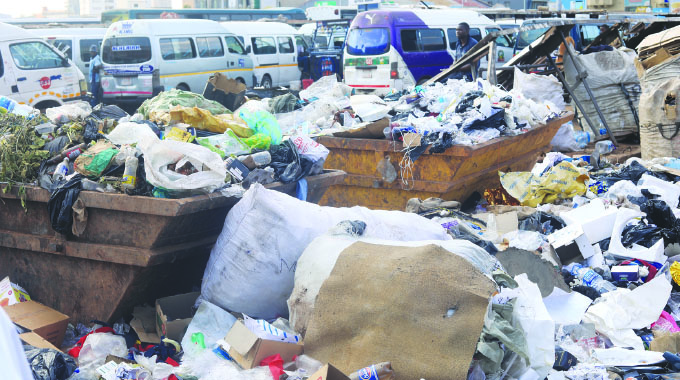
Innocent Mujeri, Correspondent
As the rains begin to sweep across Zimbabwe, bringing life and replenishing parched lands, they also carry with them an all-too-familiar threat: water-borne diseases.
Cholera, typhoid and dysentery have a long history of emerging in tandem with the rainy season, preying on communities where water and sanitation systems are stretched thin.
The stakes are high, and every Zimbabwean has a role to play in ensuring these diseases do not gain a foothold.
While individual and community efforts are crucial, local authorities, including Harare City Council, must rise to the challenge, prioritising essential services such as garbage removal and provision of clean water.
One of the most straightforward yet impactful defences against waterborne diseases is proper hygiene. The simple act of hand-washing with soap and clean water is a frontline barrier against germs that cause diseases.
It is a practice that must become second nature, not only within households, but also in public spaces, schools and workplaces.
Ensuring soap is readily available and teaching children the importance of hygiene can drastically reduce the spread of infections.
Food hygiene also warrants attention; meals must be prepared and stored safely, and water must be boiled or treated to eliminate contaminants before consumption.
Vigilance at household level can be the difference between health and a debilitating outbreak.
Waste management is another crucial aspect. Overflowing garbage bins and improperly discarded waste create perfect breeding grounds for disease-carrying bacteria and insects, particularly when rainfall sweeps refuse into waterways.
The Harare City Council, along with other local authorities, bear a responsibility to ensure regular and efficient garbage collection. By keeping the environment clean, we minimise the risk of water contamination and subsequent illness.
Residents also have a part to play – properly disposing of household waste, avoiding littering, and working with their communities to keep neighbourhoods clean can have a tangible impact.
Equally critical is the availability of clean water. Water is life, but when it is contaminated, it becomes a vector for death and disease. Many urban and rural areas alike struggle with unreliable water supplies, leaving residents with no choice, but to turn to unsafe sources.
Local councils must prioritise infrastructure repairs and ensure consistent water delivery. This is not merely a service issue; it is a public health imperative.
Households relying on boreholes, wells, or other sources must protect these from contamination by building secure barriers and regularly testing for pollutants.
Simple measures like boiling water or using water purification tablets can make the difference between life and severe illness.
Sanitation infrastructure remains a cornerstone in disease prevention. Areas lacking adequate public toilets and sewage systems are at particular risk during the rainy season.
Open defecation, driven by necessity in such places, contaminates water sources and heightens the risk of disease outbreaks.
It is incumbent on local councils and Government agencies to construct and maintain public sanitation facilities.
However, infrastructure alone is not enough – communities must be engaged and educated on proper use and maintenance, ensuring these facilities serve their intended purpose.
Education and public awareness campaigns play a pivotal role in reducing water-borne disease transmission. Empowering citizens with knowledge about how diseases spread, preventive measures to take, and signs of illness is crucial. Awareness campaigns can reach deep into communities, dispelling harmful myths and providing practical advice on hygiene and sanitation.
Such efforts should not be limited to urban centres, but must extend to rural areas where access to information may be limited.
Collaboration is key. The battle against water-borne diseases cannot be fought by isolated groups; it requires the concerted efforts of Government bodies, private companies, non-governmental organisations, and local communities.
Private sector contributions, whether through funding water purification initiatives or assisting with community clean-up campaigns, complement public sector efforts.
Community health committees can be formed to coordinate neighbourhood efforts, from distributing water purification tablets to organising clean-up drives. This spirit of cooperation amplifies impact and fosters resilience.
As we brace for the rains, preparedness is crucial. Flooding and sewage overflows can lead to sudden disease outbreaks, making rapid response mechanisms essential.
Local authorities must be ready with emergency plans, equipped to distribute clean water, provide medical care, and engage in emergency sanitation measures when crises arise.
Communities should have access to hotlines and be aware of where to seek help, ensuring a swift response can contain outbreaks and prevent further suffering.
The rainy season need not be synonymous with fear and illness. By embracing personal hygiene, ensuring clean water access, properly managing waste, strengthening sanitation infrastructure, and fostering a spirit of collaboration, Zimbabweans can safeguard themselves and their communities from water-borne diseases.
Local authorities, such as the Harare City Council, must prioritise these efforts, as they are pivotal in protecting public health.
Together, through collective action and steadfast commitment, we can turn the tide against water-borne disease and ensure a safer, healthier future for all.



 Online Reporter