admin
admin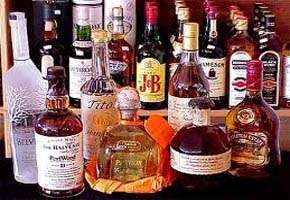
The additional licence is pegged at $500 according to Section 28 (iii) of the Act and is valid for the particular function.
Information from the Licence Office in Bulawayo showed that liquor outlets were not renewing their licences while also closing later than the stipulated time.
Most liquor outlets have expired licences but continue to operate until morning against the provisions of their licences.
Licensed premises are required by the Liquor Act, in terms of Section 27, to apply for an Extended Hours/Occasional Licence that authorises them to sell liquor to bona fide members of the public attending social functions.
This is issued to clubs, hotels, restaurants and theatre clubs that usually hold social functions like musical shows.
Non-profit making premises like churches and community halls are not mandated to apply for a licence for their functions but when they sell liquor for fundraising they are supposed to apply for a Temporary Liquor Licence which authorises them to sell liquor during stipulated hours.
Investigations by this reporter between 10.30pm on Friday and 4am on Saturday revealed that most liquor outlets were closing around 6am.
Nightclubs should close at 3am but are together with all other outlets, which are supposed close at 10.30pm, extending to 6am to cash in on the festive season.
Some of the outlets even double up as restaurants and use a single liquor licence while some were operating as night clubs yet they do not have the night club liquor licence specified in Section 43 which requires such premises to have enough space to accommodate patrons.
The Theatre Liquor Licence prohibits sale of alcohol to people one hour before commencement of any performance or 30 minutes after the function closes although at premises like the Bulawayo Amphitheatre organisers sell liquor way before and after events.
At some of the outlets there were functions on Friday night some of which lasted until morning.
Some outlets were not even displaying their licences on the wall as required by Section 85 (2) of the Liquor Act, that “a licencee shall ensure that his licence is prominently displayed at all times upon the licensed premises to which it relates.”
While attendants and security at most outlets claimed they were going to close early, they closed in the morning.
Those talked to said they would close once patrons cleared from the premises.
“We are supposed to close at 12 midnight but we always wait until all people leave,” said an attendant at one of the sports bars in North End suburb.
Besides violating their licences, the outlets charge between $5 and $10 entrance fees and about $20 when there is a function.
Chronicle established that some of the outlets bribe police officers who would be patrolling at night to be allowed to extend working hours.
“We are not closing because there is business today. The police were here but we have dealt with them already. All that counts is money, if you have money there is no reason to close early because we just bribe them and they would not come back for the whole night,” said an attendant at a sports diner in the city centre.
The police, whose duty is to enforce the Liquor Act, confirmed liquor outlets were violating the law.
Police spokesperson for Bulawayo province Inspector Mandlenkosi Moyo said police have established that most outlets violate the Act by either opening earlier or closing later than the time stipulated on their licences.
He said police usually ticket those found on the wrong side of the law but would open cases against those that continue to violate the law, which means the outlets may not be able to renew or apply for other licences.
“Police have a duty to enforce the Liquor Act to complement local authorities. We constantly carry out raids around outlets and the common violation of the Act is opening early and closing later than the stipulated operating times,” said Insp Moyo.
“Some outlets do not renew their licences and continue to operate. We usually ticket them but if they continue to violate the law we prosecute them,” he said.
Insp Moyo said what they had discovered was that most of the operators that did not display the licences had expired licences.
“When we raid people drinking at undesignated places we also check the validity of the licences,” he said. Commenting on police officers who are reported to be accepting bribes to allow liquor outlets to illegally extend their operating hours, Insp Moyo said issuance of licences was done by the responsible authority and the police are only there to enforce the Act.
“Revision of opening hours is done by the issuing authority and as police we only come in to enforce the Act. No police officer in his individual capacity can authorise a liquor outlet to extend working hours.
“No police officer has such authority, that is criminal and anyone caught would be charged,” said Insp Moyo.


 Online Reporter