Mbulelo Mpofu [email protected]
MANY young Zimbabweans are searching for opportunities in a difficult economic environment. For Bulawayo-based electrical engineer and community advocate Lisa Mpala, the answer has been to create opportunities not only for herself, but for others as well.
At just 23, Mpala has already built an impressive record in engineering, entrepreneurship and community service. Yet she says her journey was never driven by a desire for recognition or success.
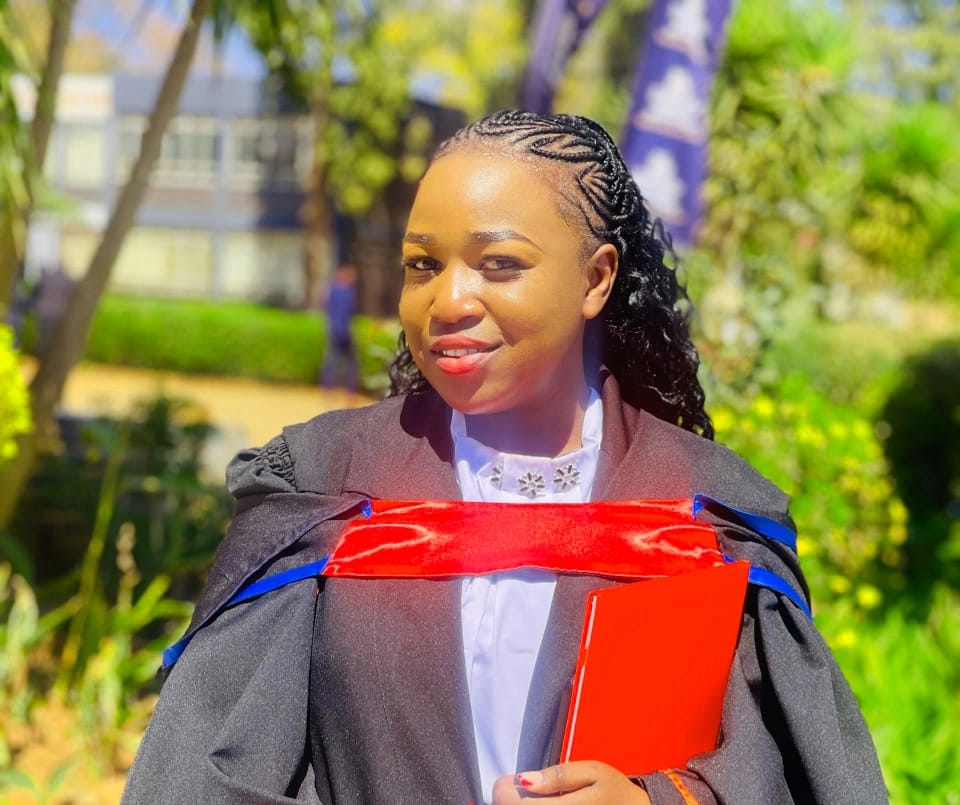
Instead, it began with a simple goal — helping girls and vulnerable children in her community.
Growing up, Mpala watched many girls miss school because they could not afford sanitary wear. She also saw children struggling to access basic necessities.
Rather than waiting for somebody else to solve those problems, she decided to act.
“I grew up watching girls miss school because they couldn’t afford sanitary wear, and kids in my community going without basic support. At 16, I realised that if I waited for ‘someone else’, nothing would change. So I started small in high school – sharing what I had and organising friends to help. That purpose became my compass,” Mpala said.
Her journey into leadership started in 2018 while she was a Form Three pupil. She joined a girls’ mentorship programme under TelOne and graduated the following year as a qualified mentor.
At the same time, she recognised the importance of digital skills and enrolled for a Computer Operations and Packages course at Bulawayo Polytechnic, where she obtained a National Certificate.
The experience helped prepare her for bigger responsibilities.
In 2021, while serving as head girl, Mpala founded the Dream Girl Club, a platform that gave young women a safe space to discuss issues such as menstrual health, personal development and self-confidence.
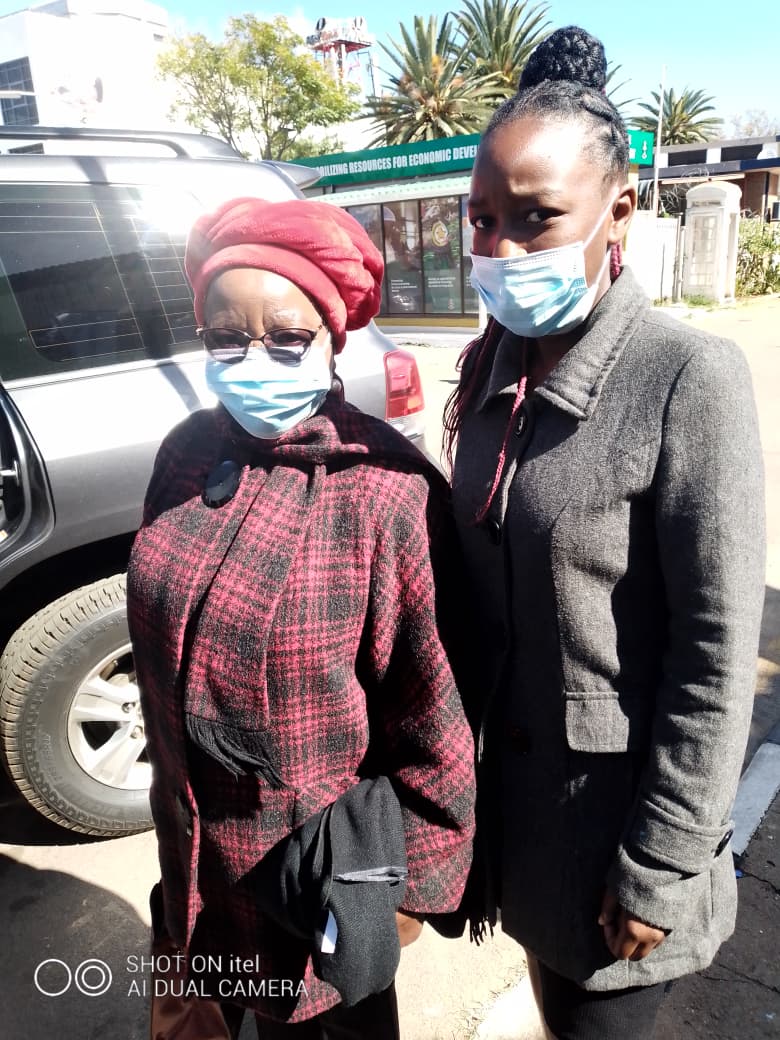
Working with donors and well-wishers, she also helped source sanitary wear for vulnerable pupils, reducing school absenteeism linked to period poverty.
The initiative strengthened her belief that leadership is about service rather than status.
“Community service keeps me grounded in real problems. Engineering gives me the skills, but service gives me the ‘why’. When I founded the Dream Girl Club, I saw how sanitary wear and mentorship could keep a girl in class for an entire term. That kind of impact is more powerful than any paycheck,” she said.
After completing high school, Mpala worked as a shopkeeper. Instead of spending all of her earnings on herself, she used part of her salary to help pay school fees for vulnerable children in Binga.
She believes education remains one of the most powerful tools for creating lasting change.
At the same time, she pursued her academic goals, enrolling for a Diploma in Electrical Engineering at Bulawayo Polytechnic.
Her hard work paid off when she graduated as the institution’s best electrical engineering student.
Today, she runs an engineering services company while also working in the engineering sector, proving that technical skills and social impact can go hand in hand.
“You don’t have to choose between making money and making a difference. I graduated as the best electrical engineering student, and I also run advocacy projects. Technical skills are tools. When you use those tools to solve real community problems, you become unstoppable. My message to young people is: master your craft first, then point it at something bigger than yourself. That’s how you build both wealth and legacy,” she said.
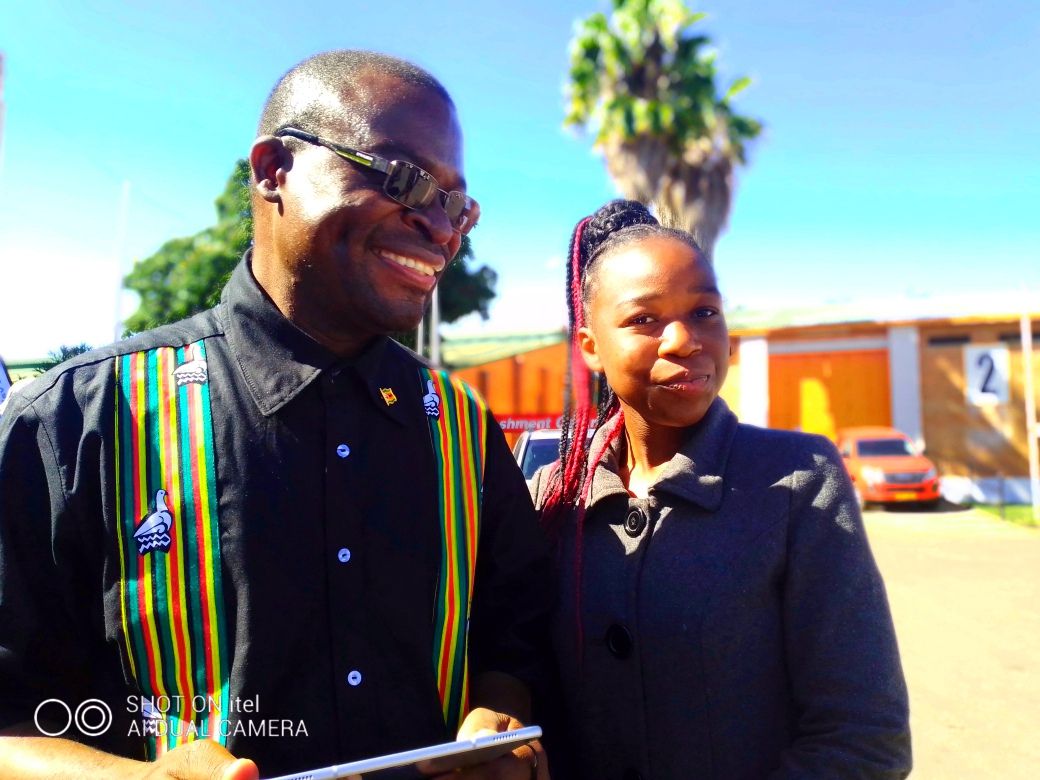
As her profile grew, Mpala was invited to youth development programmes, leadership platforms and national events where she interacted with policymakers, business leaders and development partners.
She says those experiences expanded her understanding of leadership and taught her valuable lessons about responsibility and collaboration.
“Two lessons changed me. First: access means responsibility. When I sat with government leaders and international partners, I learned to lead with data, not just emotion. Second: listen first, lead second. The strongest leaders I met asked more questions than they answered. That shaped my style to be collaborative, not top-down,” she said.
Her advocacy work has also earned recognition beyond Zimbabwe. She was featured by the Yields Organisation during the 16 Days of Activism campaign and has appeared on several local radio stations discussing issues affecting girls and young women.
In 2022, she co-hosted Miss Mpopoma, where she mentored contestants on leadership, confidence and personal development.
Despite her achievements, Mpala says the journey has not been without challenges.
Like many young entrepreneurs, she has faced financial constraints, self-doubt and the challenge of working in a profession often dominated by men.
“Funding, self-doubt and being a woman, especially in the engineering field, were some of my biggest obstacles. When I started, I used my own school stipend to buy sanitary pads for the Dream Girl Club. Later, I learned to write proposals, build partnerships and show results so donors could trust me. To fight self-doubt, I found mentors and tracked every small win. Obstacles didn’t stop me. They taught me to be resourceful, patient and consistent.”
To young Zimbabweans struggling to find opportunities, Mpala offers practical advice drawn from her own experience.
“Start where you are, with what you have. Don’t wait for a perfect job or perfect funding. Upskill for free online, volunteer to build experience and document your work.
“My rule is simple: one skill, one service project and one mentor. Stop comparing your chapter one to someone else’s chapter 20. Opportunities become achievements when you show up consistently, even in small ways,” she urged.
Looking ahead, she hopes to expand programmes that support women, children and vulnerable communities while promoting education, mentorship and economic independence.
“My vision is a Zimbabwe where every woman has safety, education and a path to independence. I want to leave a legacy that tells young women: ‘You can lead, you can build, you can be both soft and strong.’ If, 10 years from now, a girl whose life we touched is running her own project, that’s my legacy,” she said.