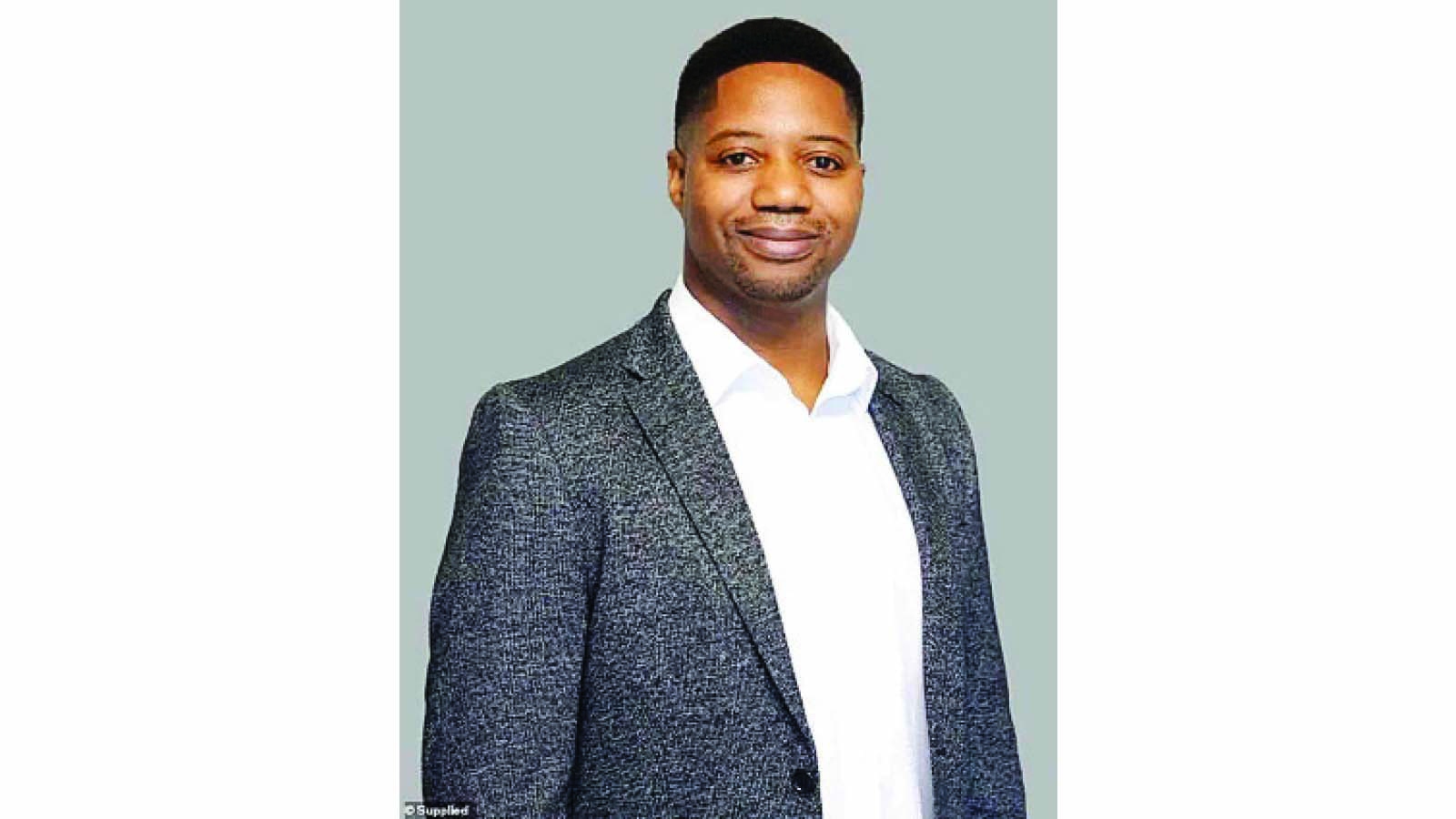
THE question being asked in both Zimbabwe and the United Kingdom is a simple one: where is Ndodana Mkhanyisi Tshuma?
British police believe he is the prime suspect in the deaths of his wife and two daughters in Bedford, England, and have indicated that he left the UK on a flight believed to have been heading to Zimbabwe. Zimbabwean authorities, meanwhile, have said they cannot confirm whether he entered the country but are on alert and ready to act should he be located.
These are serious allegations involving the loss of three lives. At the centre of the tragedy is a grieving family searching for answers and a community struggling to come to terms with what has happened. While every suspect is entitled to the presumption of innocence until proven guilty in a court of law, there is also an obligation on any person sought by the authorities to avail themselves to the justice system.
If Tshuma is indeed in Zimbabwe, the most sensible, responsible and lawful course of action is for him to surrender himself to the police immediately. Running away will not make the questions disappear. It will not lessen the pain of the bereaved. Neither will it stop investigators from pursuing every available lead.
Police in both countries have already made it clear that efforts to locate him are continuing. Zimbabwe Republic Police national spokesperson Commissioner Paul Nyathi publicly appealed to Tshuma to hand himself over, saying authorities were ready to arrest him if he was found.
British investigators have issued a similarly direct message, stating that they are working with national and international agencies and remain determined to track him down.
History has repeatedly shown that life on the run rarely ends well. The longer a wanted person remains in hiding, the greater the pressure, the greater the uncertainty and the greater the risk of bad decisions being made. Attempts to evade law enforcement can create unnecessary dangers not only for the individual concerned but also for those around him.
That is why anyone who may be harbouring Tshuma, knowingly or unknowingly, should seriously reflect on the consequences of their actions. Protecting a person sought by law enforcement is neither an act of loyalty nor friendship if it obstructs the course of justice. Those with information that could assist investigators should come forward and cooperate with the authorities.
The reality is that the net inevitably tightens in cases of this nature. Modern investigations are supported by international cooperation, surveillance technology, immigration records and information-sharing systems that make it increasingly difficult for fugitives to remain hidden for long.
This matter has already attracted international attention. It is not going away.
For Tshuma, surrendering himself would not amount to an admission of guilt. Rather, it would demonstrate respect for the rule of law and allow the legal process to take its course. If he has answers to the many questions surrounding this tragedy, those answers should be presented before the appropriate authorities and, ultimately, before the courts.
At this stage, continued uncertainty serves no one. It does not help investigators. It does not help the grieving families. It does not help the communities affected by this heartbreaking story.
If Tshuma is in Zimbabwe, he should heed the calls from both Zimbabwean and British authorities and surrender himself without delay. And if there are individuals who know where he is, they should do the right thing and assist law enforcement.
Justice, accountability and closure can only begin when the search ends.