Online Reporter
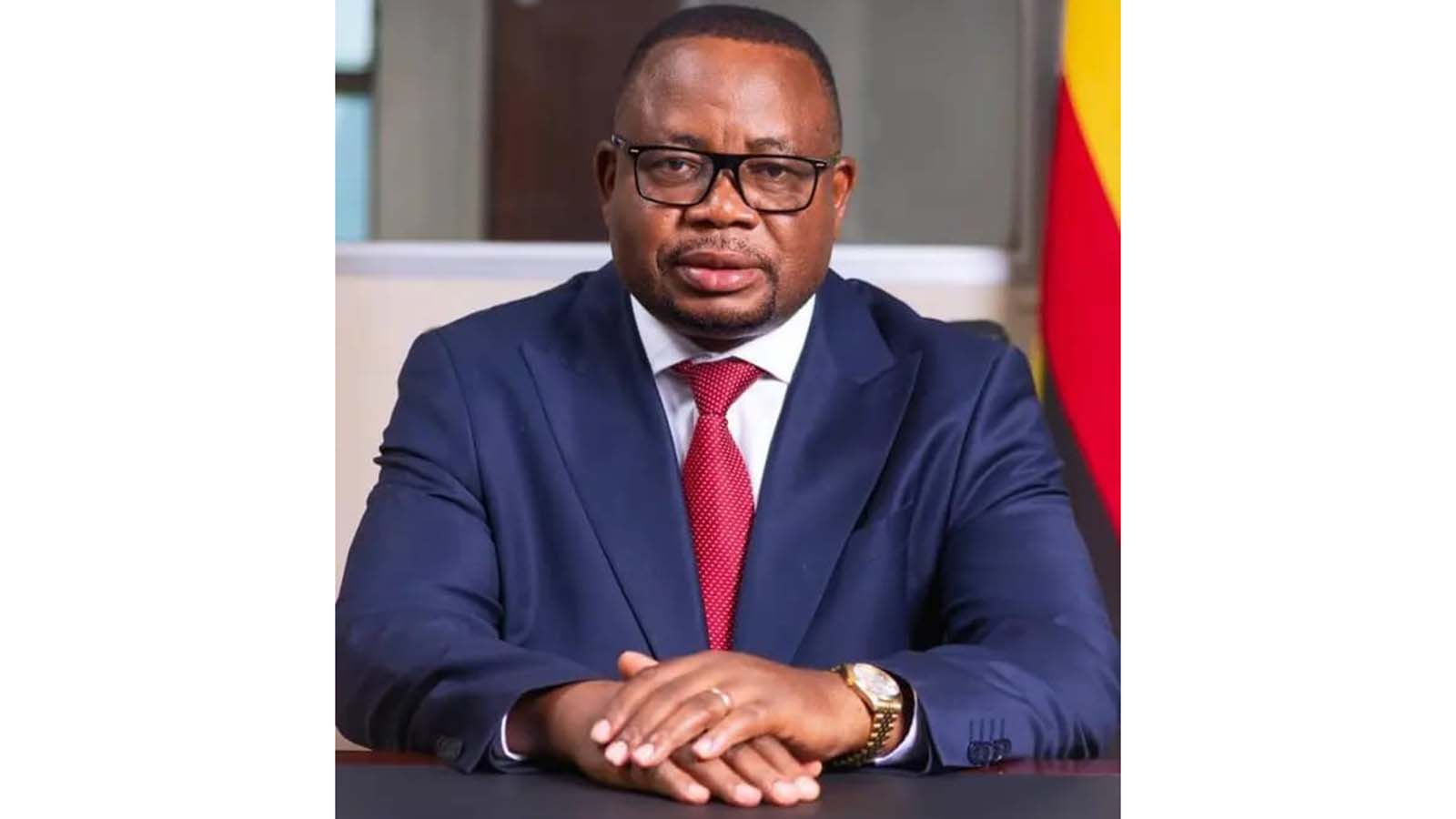
Zimbabwe suspended exports of unbeneficiated lithium last week, drawing widespread international attention. Global commodity markets have reacted to the move by firming lithium and platinum prices. The development comes as demand for lithium, a critical mineral in the manufacturing of electric vehicle batteries and renewable energy storage systems, continues to surge worldwide. The move builds on the country’s long-standing policy thrust towards value addition, which has seen similar measures introduced in other mineral sectors in recent years. To understand more about this policy thrust, our Mashonaland West reporter, CONRAD MUPESA, engaged Mines and Mining Development Minister DR POLITE KAMBAMURA.
**********
Q: Minister, let us get straight into it. Initial reports suggested that the country had banned raw lithium exports, but as days passed, some voices started saying it was actually a suspension. What exactly is the position and what informed it?
A: Indeed, it is important to emphasise that this is a suspension, not a ban. The decision was informed by several factors.
Firstly, we realised that Zimbabwe was being short-changed. There were cases of under-declaration of returns and concerns about transparency within the sector. Secondly, we felt the country was not deriving adequate value from exporting raw lithium without beneficiation.
The objective is to create equal opportunities and ensure Zimbabwe moves up the value chain. Instead of exporting raw minerals, we want to promote beneficiation and value addition locally. There are also environmental issues that need to be addressed.
As we pursue economic growth, sustainability and environmental conservation must be central to our operations.
Mining activities must meet set environmental standards to safeguard communities and ecosystems. The demand for lithium has soared worldwide, driven largely by the growth in electric vehicles and renewable energy technologies. Given this global demand, Zimbabwe must strategically position itself to benefit fully and responsibly.
Q: Reports indicate that international prices of lithium and platinum have spiked following Zimbabwe’s decision to suspend exports of unbeneficiated lithium. What does this mean in relation to the country’s contribution to the global market?
A: First, we must understand Zimbabwe’s position globally. Zimbabwe is the largest producer of lithium in Africa and among the top five or six lithium-producing countries in the world.
We also have the largest lithium deposits on the continent. So, naturally, anything that happens in Zimbabwe will have an impact on the international market. When we hear that prices are responding to developments here, it confirms that Zimbabwe is a key player in the sector.
However, when we look at what the country is currently getting from the lithium industry, it does not make economic sense considering our strategic position. We believe we are not realising maximum value from our resource.
That is why Government, under the guidance of His Excellency, President Emmerson Mnangagwa, decided that it was necessary to sit down with producers and redefine expectations, map the way forward and ensure the country benefits fairly.
We appreciate the investments and efforts made by producers, but we believe more can and should be done.
Q: In light of the issues you raise, do you see investors in battery manufacturing and other downstream industries setting up plants in Zimbabwe in the short-term?
A: That is exactly the direction we are moving towards. It is a process, and we are already engaging potential investors. We have started discussions with some players regarding their expectations and the Government’s plans.
We are looking forward to seeing investments in beneficiation and battery manufacturing coming into the country. But investors also need clarity on policy direction and Government expectations.
That is why it is important for us to jealously guard our resource and ensure that we create conditions that enable maximum benefits through value addition. The ultimate goal is to see Zimbabwe not just as a supplier of raw lithium, but as a hub for processing and possibly battery production in the near future.
Q: Some miners, including smaller players, have expressed concern over the impact of the suspension of exports of raw lithium and we hear they have stopped operations. Tell us the measures put in place to support them?
A: Let me reiterate; this is a suspension, not a ban. It is a temporary measure. One cannot base monthly salaries or the entire operational model on a short-term suspension. Mining companies export regularly, and a suspension for a few days or weeks does not automatically cripple operations.
The general running of operations, including payment of wages, utilities and creditors, is not solely dependent on daily exports.
We will be meeting sector players this coming week (which starts today) to discuss the issues in detail. Depending on the outcome of those engagements and what we agree on, operations may resume accordingly.
The key issue is to ensure transparency, sustainability and fair value for Zimbabwe. Once we reach a common understanding with industry players, we can move forward in a way that benefits both investors and the nation.
Q: What are your final remarks to stakeholders in the lithium sector and potential investors that were on the way to Zimbabwe before this policy move?
A: Our message is clear: Zimbabwe is open for business, but we must benefit fairly from our natural resources. We are a major player in the global lithium market, and our policies must reflect that reality.
We want sustainable mining practices, proper environmental management, transparency in declarations and increased beneficiation. If we work together with producers in that spirit, the lithium sector will significantly contribute to Zimbabwe’s economic transformation.