Online Reporter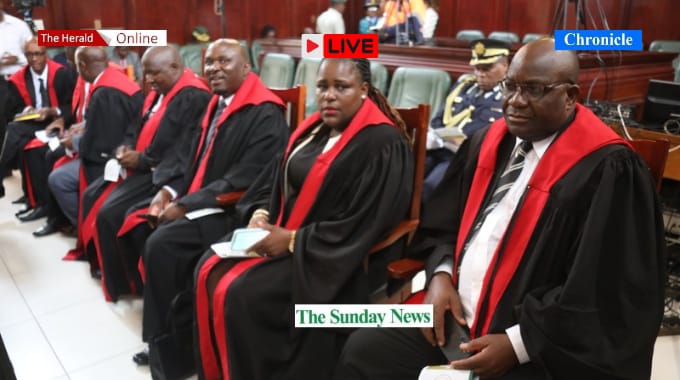
The 2026 legal year is being officially opened today at the High Court of Zimbabwe in Bulawayo, with Deputy Chief Justice Elizabeth Gwaunza presiding over the ceremony.
The event forms part of decentralised legal year opening ceremonies being held across the country, as the judiciary continues with its policy of taking key national events beyond Harare.
Zimpapers Senior Reporter Peter Matika and Chief Photographer Eliah Saushoma are providing live updates from the High Court.
Chief Justice Malaba leads opening of 2026 legal year
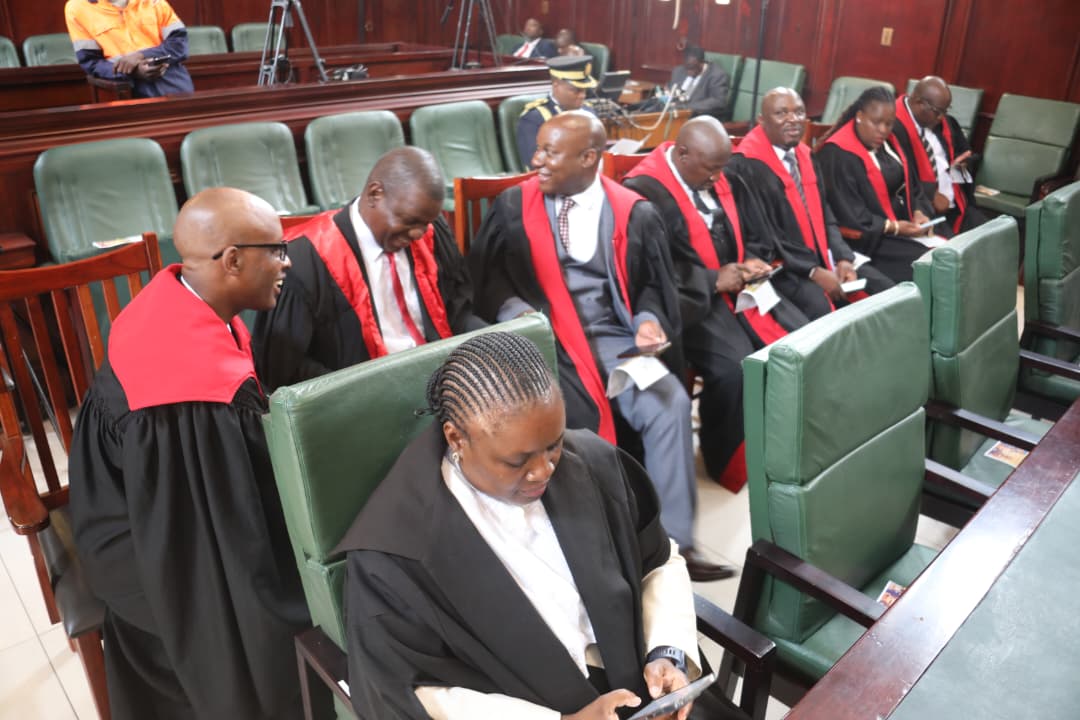
CHIEF Justice Luke Malaba is today leading the official opening of the 2026 legal year in Harare, as the Judiciary marks the commencement of the new judicial calendar through decentralised ceremonies across the country.
The opening of the legal year is being held simultaneously in various centres in line with the Second Republic’s policy of decentralising key national events. While Chief Justice Malaba presides over proceedings in Harare, Deputy Chief Justice Elizabeth Gwaunza is officiating at the High Court of Zimbabwe in Bulawayo.
In a brief statement, the Judicial Service Commission (JSC) said all preparations for the ceremonies nationwide were complete.
“It is all systems go for the official opening of the 2026 Legal Year in Harare today, where the Chief Justice of the Republic of Zimbabwe, Mr Luke Malaba, is expected to lead proceedings. Deputy Chief Justice Gwaunza will preside over the ceremony in Bulawayo. Constitutional Court judges, Justices Garwe, Gowora and Patel, will officiate in Masvingo, Mutare and Chinhoyi, respectively,” said the JSC.
Last year marked a historic milestone after the official opening of the legal year was held outside Harare for the first time, with Bulawayo hosting the main ceremony, in line with the decentralisation policy.
During his keynote address at last year’s opening, Chief Justice Malaba emphasised the need for enhanced collaboration among stakeholders in the justice delivery system, noting that the judiciary alone could not build public confidence without the support of the broader criminal justice value chain.
He highlighted the establishment of the National Council on Administration of the Criminal Justice System as a critical step towards expediting criminal trials and strengthening co-operation among institutions involved in justice delivery.
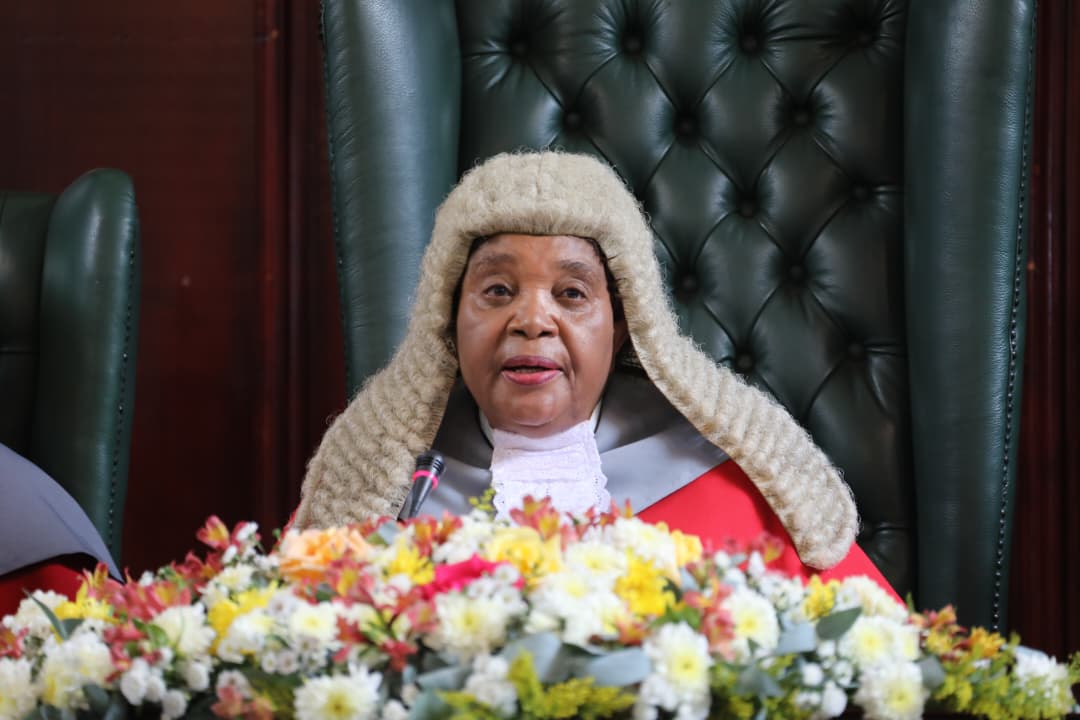
Deputy Chief Justice Gwaunza is delivering her keynote address and has emphasised the importance of professionalism within the judiciary.
The theme for the 2026 Legal Year, “Using performance management and technology to ensure quality, inclusive and sustainable judicial service.
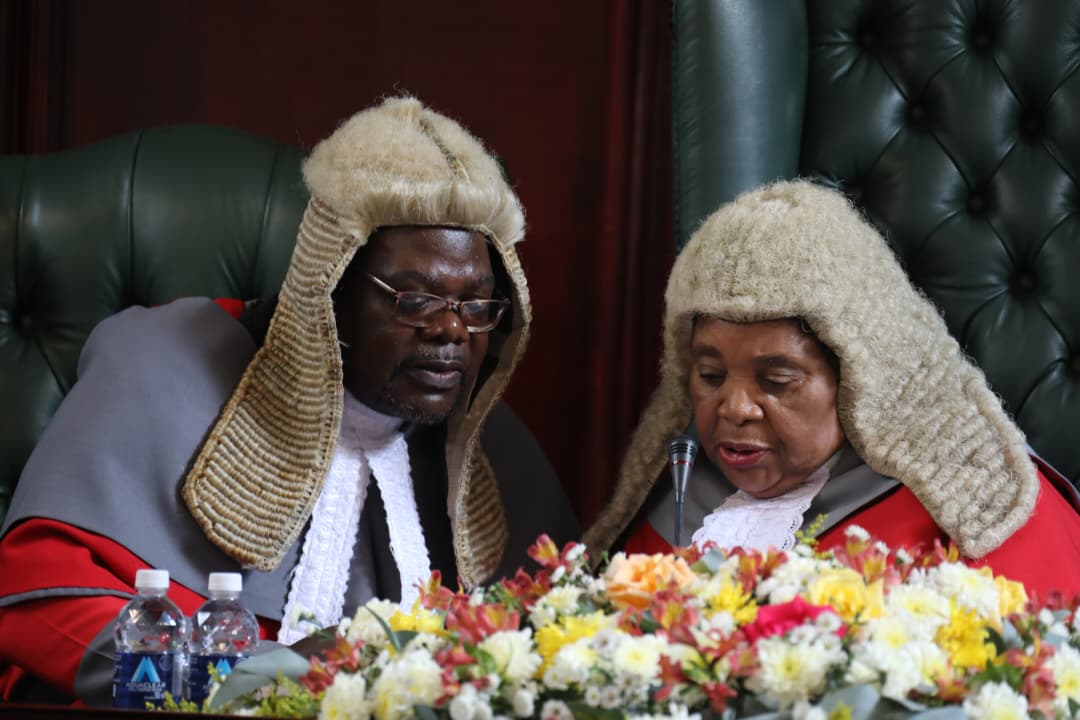
Deputy Chief Gwaunza says the judiciary’s ongoing digital transformation under the Integrated Electronic Case Management System (IECMS), which has streamlined court processes across the country, including in Bulawayo.
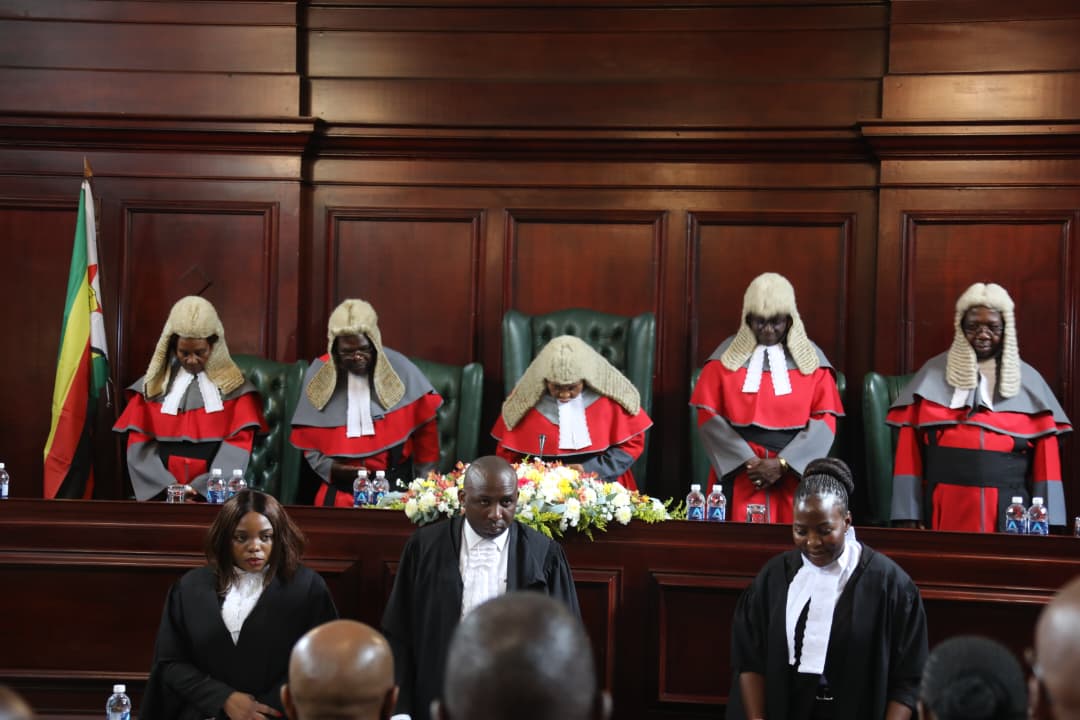
Deputy Chief Justice Gwaunza said that despite early challenges, the system remains vital to improving efficiency, transparency, and access to justice.
She says digitalisation is meant to enhance efficiency within the judiciary.
WATCH: Bulawayo courts record high case disposal rate amid rising litigation
THE High Court in Bulawayo recorded a strong case disposal rate in 2025 despite a sustained inflow of matters, Deputy Chief Justice Elizabeth Gwaunza has said.
Speaking on Monday while officially opening the 2026 legal year at the High Court in Bulawayo, Deputy Chief Justice Gwaunza said the Bulawayo Division of the High Court experienced particularly heavy volumes of work during the year under review.
“The Division of the High Court in Bulawayo commenced the year with an opening balance of 1 966 cases and received a further 1 648 matters during the course of the year, resulting in a total caseload of 3 640 matters,” she said.
Of these, 2 909 cases were finalised, leaving a closing balance of 705 matters.
Deputy Chief Justice Gwaunza noted that applications constituted the largest category of finalised cases, followed by summons-initiated matters, a trend she said reflected a growing reliance on motion proceedings for the resolution of disputes.
“Despite the sustained inflow of cases, the court achieved a high disposal rate, demonstrating a strong institutional response to increasing litigation pressures,” she said.
Turning to the High Court’s Family Division, Deputy Chief Justice Gwaunza said the division also recorded high activity levels.
“The Family Division opened the year with 1 221 matters and received an additional 1 826 cases, bringing the total workload to 3 047 matters,” she said.
By the end of 2025, 2 486 cases had been finalised, resulting in a closing balance of 561 matters.
Deputy Chief Justice Gwaunza said the statistical performance of courts in Bulawayo — covering the Supreme Court, the High Court and its divisions, the Magistrates Courts and the Labour Court — pointed to a justice delivery system under increasing pressure.
“A review of the statistics during the period under consideration reflects a sustained, and in several instances significant, increase in both civil and criminal litigation,” she said.
“Across superior courts and specialised courts, the volume of cases received during 2025 exceeded the opening balances, pointing to an active and engaged court-user population and a justice system that continues to be accessed as the primary forum for dispute resolution.”
On the performance of the Supreme Court sitting in Bulawayo, Deputy Chief Justice Gwaunza said the court opened the year with a balance of 33 matters and received a further 224 cases, bringing the total workload to 257 matters.
“Of these, 224 cases were finalised, resulting in a closing balance of 53 matters,” she said.
She added that appeals and ordinary chamber applications accounted for the bulk of the Supreme Court’s workload.
“While there was a marginal increase in the closing balance, the performance remains commendable in light of the complexity and nature of Supreme Court litigation,” said Deputy Chief Justice Gwaunza.