Online Reporter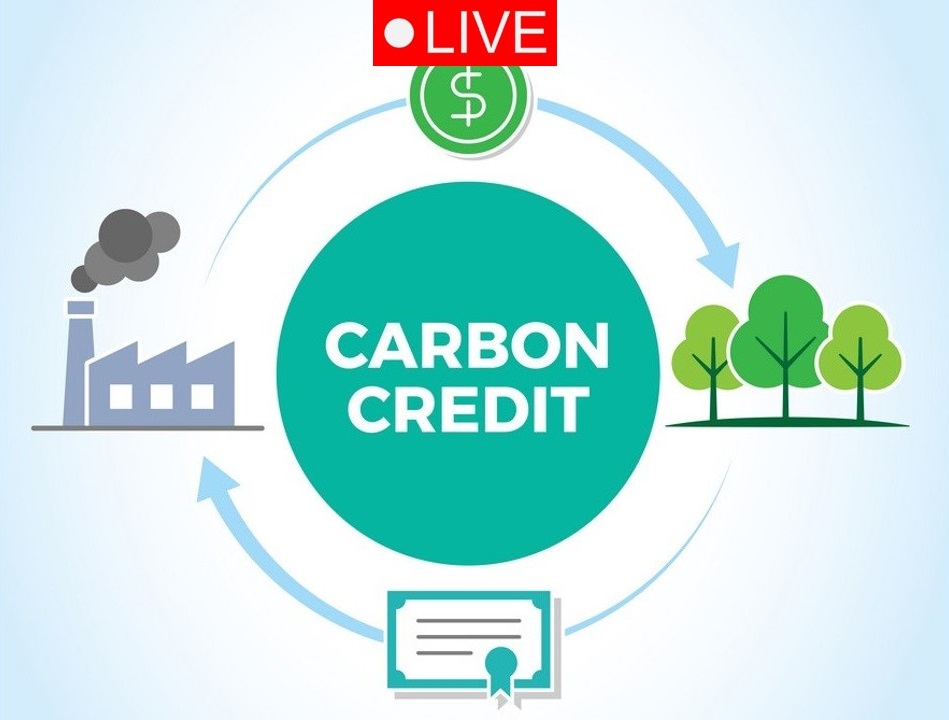
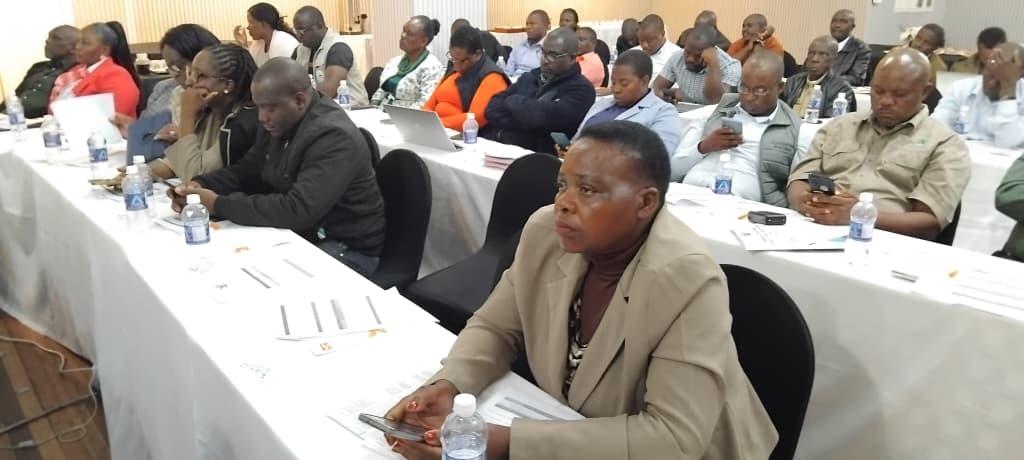
WITH carbon credits becoming a growing frontier in climate change mitigation and rural economic empowerment, the Ministry of Environment, Climate and Wildlife is holding a two-day Carbon Markets Indaba in Bulawayo targeting Rural Local Authorities.
The workshop is being held under the theme “Sustainable Future: Empowering Rural Communities Through Carbon Trading”.
It brings together Rural District Councils (RDCs) from across the country for intensive consultations aimed at raising awareness, enhancing capacity and supporting the development of carbon trading projects under Zimbabwe’s newly updated regulatory framework.
Senior Business Hub Reporter, Nqobile Bhebhe is giving us live updates from the workshop.
Zimbabwe aims to Harness Carbon Credits for sustainable development

Carbon credits, a growing frontier in climate change mitigation and rural economic empowerment, come under sharp focus as the Ministry of Environment, Climate and Wildlife (MECW) kicks off a two-day Carbon Markets Indaba for Rural Local Authorities.
Carbon credits are permits that allow the owner to emit a defined amount of carbon dioxide or other greenhouse gases (GHGs), with one credit equivalent to one tonne of carbon dioxide.
Companies or nations can trade these credits to balance total worldwide emissions, creating a growing market for climate-positive initiatives.
In a concept note, the ministry stressed that the move is part of Government’s wider climate change response to the rising frequency of extreme weather events such as droughts, floods, tropical cyclones and mid-season dry spells.
“Over the years, the Ministry has spearheaded a Climate Change Mainstreaming Capacity-Building Programme for Ministries, Departments and Agencies (MDAs) as part of the National Climate Change Adaptation Planning process to ensure climate change is mainstreamed in planning and budgetary processes,” MECW said.
The ministry noted that the global carbon markets are “evolving at a fast pace, challenging governments to develop strong policies, regulatory and institutional frameworks able to thrive in such a highly dynamic environment.”
The workshop comes in the wake of the promulgation of Statutory Instrument 48 of 2025, which repealed SI 150 of 2023, creating the Zimbabwe Carbon Markets Authority (ZiCMA) as regulator and operationalising the Zimbabwe Carbon Registry.
Launched by President Mnangagwa in May 2025, the registry serves as the official platform for carbon project developers to submit applications, aligning with the country’s push to promote carbon trading, facilitate credit exchange, and contribute to climate change mitigation, adaptation, and sustainable development.
The ministry underscored that the bulk of carbon projects are taking place in areas managed by local authorities, making RDCs central players in Zimbabwe’s carbon market drive.
“The Local Authorities play a key role in the development of carbon trading projects, making it important for them to be abreast with the new regulations.”
The Capacity Enhancement Workshop seeks to provide an overview of climate change science, impacts, and relevant policy frameworks and highlight the importance of mainstreaming climate change in planning and budgeting.
It also seek to unpack the Zimbabwe Carbon Market Policy and Regulatory Framework, clarifying the role of Local Authorities in full operationalization and aise awareness on ZiCMA and the Zimbabwe Carbon Registry.
By empowering local authorities with knowledge and skills, the Government aims to ensure that rural communities can tap into carbon trading as a sustainable revenue source while contributing meaningfully to the fight against climate change.
Rural Authorities key in unlocking Carbon Credit opportunities
Rural Local Authorities have been urged to take a central role in the fast-evolving carbon markets, with Government emphasising their unique position in driving sustainable development, creating green jobs and bolstering climate resilience.
Speaking at the two day Carbon Markets Indaba for Rural Local Authorities, Environment, Climate and Wildlife Minister, Dr Evelyn Ndlovu said the theme — “Sustainable Future: Empowering Rural Communities Through Carbon Trading” — underscored the need for active involvement by rural districts in showcasing, aligning and recalibrating policies, strategies, regulations and practices that can deliver both environmental stewardship and economic benefits.

“It emphasises collaboration, innovation and the unique role rural areas can play in achieving broader climate goals,” said Dr Ndlovu.
The indaba is the first since government took over regulation of local carbon market in 2023.
She noted that she is acutely aware of the pressing climate and environmental challenges facing communities, but was inspired by the level of collective determination to confront them head-on.
She told delegates that the reality of climate change, continued deforestation a and biodiversity loss is in itself an urgent call to action.
“Collective initiatives not only bring diverse expertise and perspectives but also leverage the much-needed innovative climate finance.
“For instance, I am proud to highlight Zimbabwe’s Green Climate Fund Country Programme, which promotes investments in renewable energy and sustainable agriculture.
” This initiative has already started demonstrating promising results, enabling several communities to transform towards cleaner energy sources, creating green jobs and reducing vulnerability to climate impacts,” she said.
Carbon credits are tradable permits allowing the holder to emit a defined amount of greenhouse gases, with each credit equivalent to one tonne of carbon dioxide have emerged as a critical tool in climate-positive investment.
Countries, companies and organisations can trade these credits to offset emissions, fuelling a growing international market for sustainable projects.
In a concept note for the workshop, the Ministry of Environment, Climate and Wildlife stressed that integrating rural authorities into carbon trading was part of the Government’s broader climate change strategy in response to the rising frequency of extreme weather events such as droughts, floods, tropical cyclones and mid-season dry spells.
“Over the years, the Ministry has spearheaded a Climate Change Mainstreaming Capacity-Building Programme for Ministries, Departments and Agencies (MDAs) as part of the National Climate Change Adaptation Planning process to ensure climate change is mainstreamed in planning and budgetary processes,” the ministry said.
Officials added that global carbon markets are “evolving at a fast pace, challenging governments to develop strong policies, regulatory and institutional frameworks able to thrive in such a highly dynamic environment.”
Experts say rural communities, with their vast land, natural resources and proximity to key ecosystems, are well-placed to host projects that reduce emissions or absorb carbon from the atmosphere from reforestation to renewable energy.
Harnessing these opportunities could inject much-needed revenue into rural economies while advancing Zimbabwe’s climate commitments.
Zimbabwe loses millions in unregulated Carbon Market deals – Min Ndlovu

Zimbabwe has lost tens of millions of United States dollars over the years due to unregulated trade in the carbon market, a situation the Government is now moving swiftly to correct through new laws and the creation of a national registry, Environment, Climate and Wildlife Minister, Dr Evelyn Ndlovu has said.
Speaking during the Carbon Markets Indaba for Rural Local Authorities in Bulawayo, Dr Ndlovu said the country is now required to legally authorise the transfer of carbon credits to other nations for use in meeting their climate change commitments or other mitigation purposes.
“The country is required to legally authorise the transfer of carbon credits to another country for use in meeting that country’s climate change commitments or other mitigation purposes.
“This requires the appropriate legal instrument. Thus, in May 2025, my Ministry gazetted Statutory Instrument 48 of 2025 referred to as the Carbon Trading (General) Regulations of 2025 and is currently working towards the promulgation of the Climate Change Management Bill, draft of which has already been approved by Cabinet,” said Minister Ndlovu.

The new carbon market is closely tied to the achievement of the country’s international climate commitments as outlined in the Nationally Determined Contribution submitted to the United Nations Framework Convention on Climate Change (UNFCCC).
She explained that in accordance with Article 6 of the Paris Agreement, all countries are mandated to establish National Registries for tracking carbon credits generated within their borders in a transparent and accountable manner.
For in instance, she said Zimbabwe has established the Zimbabwe Carbon Markets Digital Application Platform, the Zimbabwe Carbon Registry and Zimbabwe Carbon Markets Authority.
“Previous transactions of carbon credits have not been recorded by the Government because there was no mechanism to do so.
“It is estimated that the Government, Local Authorities and communities have over the years lost tens of millions of United States Dollars as a result of the absence of requisite regulations and the registry to monitor carbon market activities,” she said.
The loopholes allowed private deals to be struck without Government oversight, depriving local authorities and communities of much-needed revenue from projects such as forest conservation and renewable energy initiatives.
In a bid to bring order and transparency to the sector, President Mnangagwa in May 2025 launched the Zimbabwe Carbon Registry, a milestone in formalising the domestic carbon market.
The registry is now the official platform where carbon project developers must submit their projects for approval under Statutory Instrument 48 of 2025.
It will record all transactions, enabling the Government to monitor flows, prevent illicit dealings, and ensure that benefits from carbon trading are shared equitably.
Officials say the new system will also help Zimbabwe position itself competitively in the global carbon market while safeguarding national interests.
Carbon credits are tradable permits allowing the holder to emit a defined amount of greenhouse gases, with each credit equivalent to one tonne of carbon dioxide have emerged as a critical tool in climate-positive investment.
Countries, companies and organisations can trade these credits to offset emissions, fuelling a growing international market for sustainable projects.
Zimbabwe only African country to fully comply with Paris Agreement NDC requirements

Zimbabwe has distinguished itself as the only African country to fully comply with one of the Paris Agreement’s key provisions by submitting its Nationally Determined Contribution (NDC), a senior Ministry of Environment, Climate and Wildlife official has revealed.
Speaking during the ongoing two-day Local Authorities Indaba on carbon trading markets in Bulawayo, Acting Director for Climate Change Management, Mr Lovemore Dhoba, described Zimbabwe’s commitment as exemplary.
“Zimbabwe remains a shining beacon in Africa,” he said.
NDCs are a core component of the Paris Agreement, requiring signatory countries to regularly update and enhance their climate action plans.
They outline national commitments to reduce greenhouse gas (GHG) emissions and adapt to the impacts of climate change, with each revision expected to reflect increased ambition.

Zimbabwe first submitted its NDC in 2015, committing to a 33 percent reduction in GHG emissions.
In 2021, this ambition was raised by seven percentage points, with a revised target of a 40 percent reduction.
“Then, recently, on the 10th of February, we also revised that and updated and submitted what we call our Nationally Determined Contribution card statement, which basically was an indication of our intention to raise our ambition around emission reduction,” said Mr Dhoba.
He explained that the latest update signals Zimbabwe’s intent to mobilise resources for wide consultations, which will inform a comprehensive full NDC document.
“So, we have already submitted and I am here to report to all the local authorities and ministers that Zimbabwe was the only country in Africa to submit,” he told delegates including Environment minister Dr Evelyn Ndlovu and minisyer of State for Bulawayo Metropolitan Province, Cde Judith Ncube.
Stressing the country’s early start, he noted: “What you will then realise as you check these nationally determined contributions is that we started early with a 33 percent per capita greenhouse gas emission reduction beyond the business-as-usual scenario in 2015.”
Mr Dhoba reaffirmed Zimbabwe’s unwavering stance on climate change mitigation.
“In Zimbabwe, we are aligned to the challenges of climate change. We are aligned to the fact that climate change is a problem. And we stand together with other countries to invest in greenhouse gas emission reduction. So, we are doing that through the Nationally Determined Contribution,” he said.
Zimbabwe is not only strengthening its commitment to the Paris Agreement but also creating a model for other nations seeking to merge climate action with economic opportunity, delegates said.
Zimbabwe takes decisive step in climate change management

Zimbabwe has strengthened its position in the global climate landscape with the launch of the Zimbabwe Carbon Market Authority (ZiCMA), the exclusive agency tasked with regulating all carbon trading activities and acting as the country’s official liaison with the United Nations on carbon market issues, an official confirmed.
Speaking at the ongoing Carbon Markets Indaba for Rural Local Authorities in Bulawayo on Thursday, Climate Change Scientist in the Ministry of Environment, Climate and Wildlife, Mr Tirivanhu Muhwati said ZiCMA’s creation was a decisive step in aligning Zimbabwe with international climate protocols under the Paris Agreement.
“Because of the nature of the carbon trading business and how intertwined it is with climate change management and mitigation, every country has to come up with a designated national authority. Ours is the Zimbabwe Carbon Market Authority,” he told delegates.
He stressed that Zimbabwe’s compliance with Article 6 of the Paris Agreement means the country now has a single, internationally recognised institution authorised to engage with the UN on carbon trading issues.
“That means if you are to communicate with the United Nations in terms of carbon trading, then only one authority can do that, and only one person within that authority can do that kind of communication.
“This assists that throughout the world, as the UN tries to solve this problem, they can coordinate with all countries using one authority for each country, one person for each country,” Mr Muhwati said.
The launch of ZiCMA follows the gazetting of the Carbon Trading (General) Regulations, 2025, under Statutory Instrument 48 of 2025, formally designating the authority as Zimbabwe’s national carbon market entity.
ZiCMA’s mandate includes assessing and approving carbon trading projects, issuing official letters of approval and authorisation, registering entities and maintaining a transparent national registry of all projects and participants.
Carbon credits — tradable permits generated when projects such as reforestation or renewable energy initiatives reduce or remove one tonne of greenhouse gas emissions — are increasingly valuable in helping nations and corporations meet climate targets.
Mr Muhwati said that by centralising authority and communication, Zimbabwe would be able to attract significant domestic and foreign investment into carbon projects while safeguarding national interests.
“This is about creating a transparent, credible system that protects our resources, benefits our communities and positions Zimbabwe as a competitive player in a multi-billion-dollar global market,” he added.
Held under the theme “Sustainable Future: Empowering Rural Communities Through Carbon Trading”, the indaba has drawn Rural District Councils from across the country for intensive capacity building and project development sessions.
The workshop continues tomorrow (Friday) with focus on local authority implementation of carbon trading, monitoring and verification systems and operations of the Zimbabwe Carbon Registry.