Online Reporter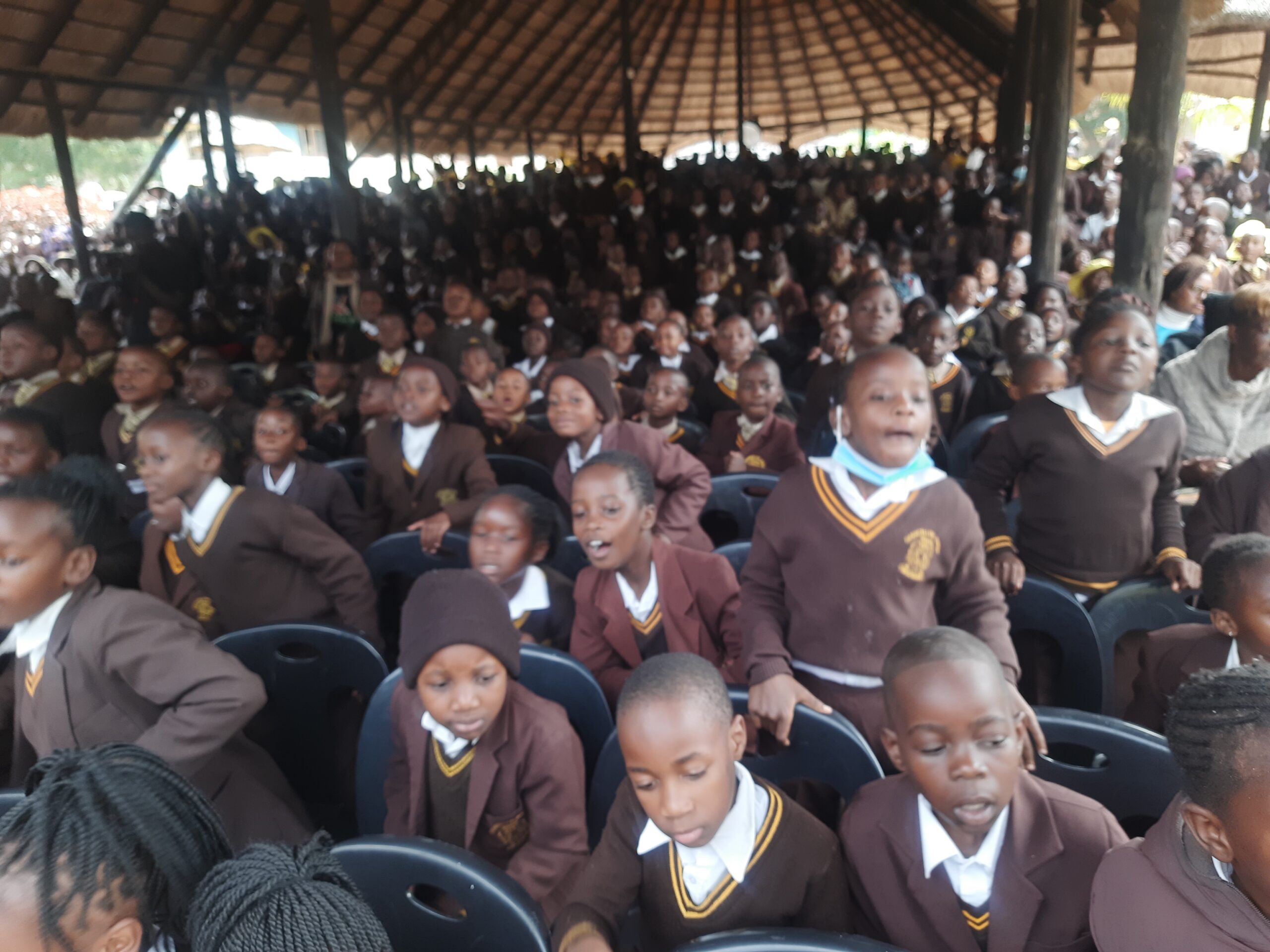
UPDATE :
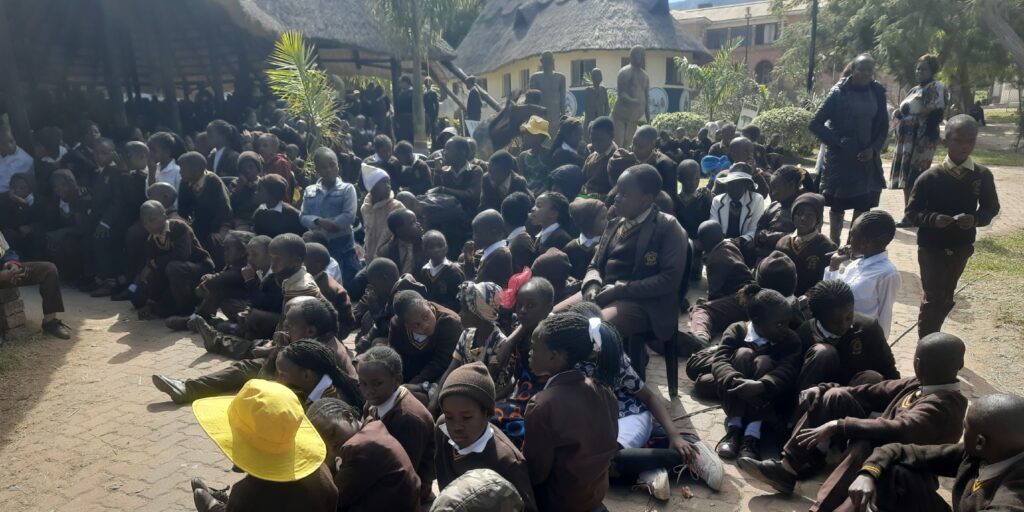
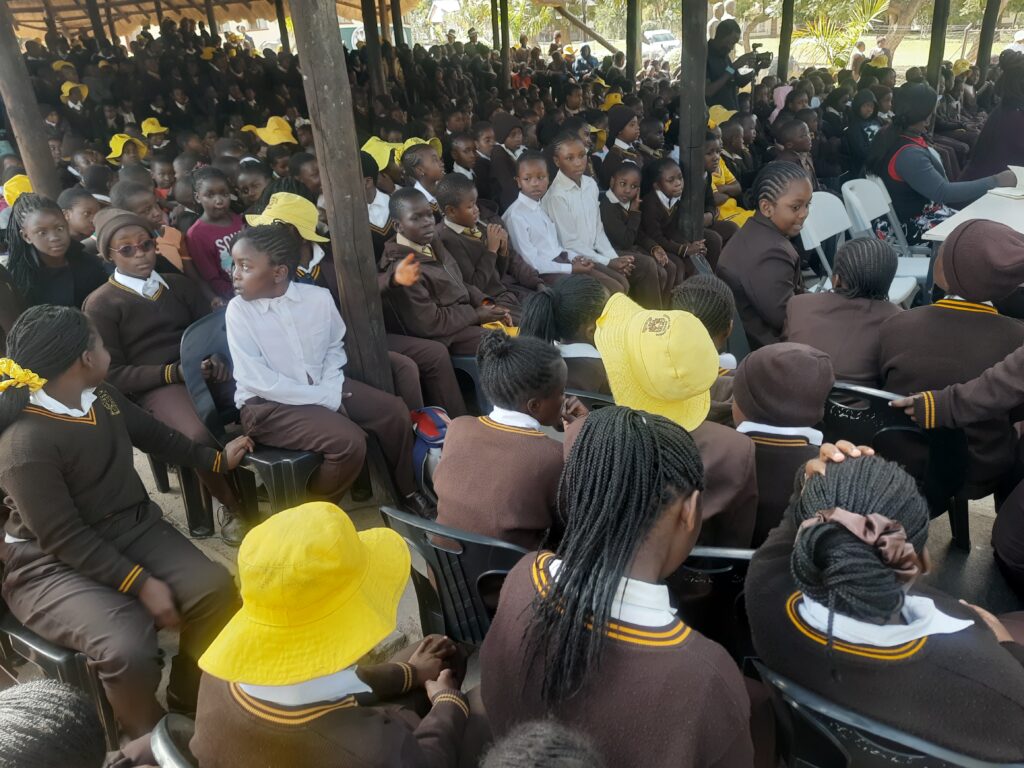
TODAY, June 16, 2025, the world is commemorating the International Day of the African Child. The day has been celebrated every year since 1991, when it was first initiated by the African Union (formerly Organisation of African Unity. The Manicaland provincial commemorations are being held at Chancellor Junior School in Mutare, where schools have converged. Our team of reporters will give us up-to-the-minute updates of the proceedings:
UPDATE :
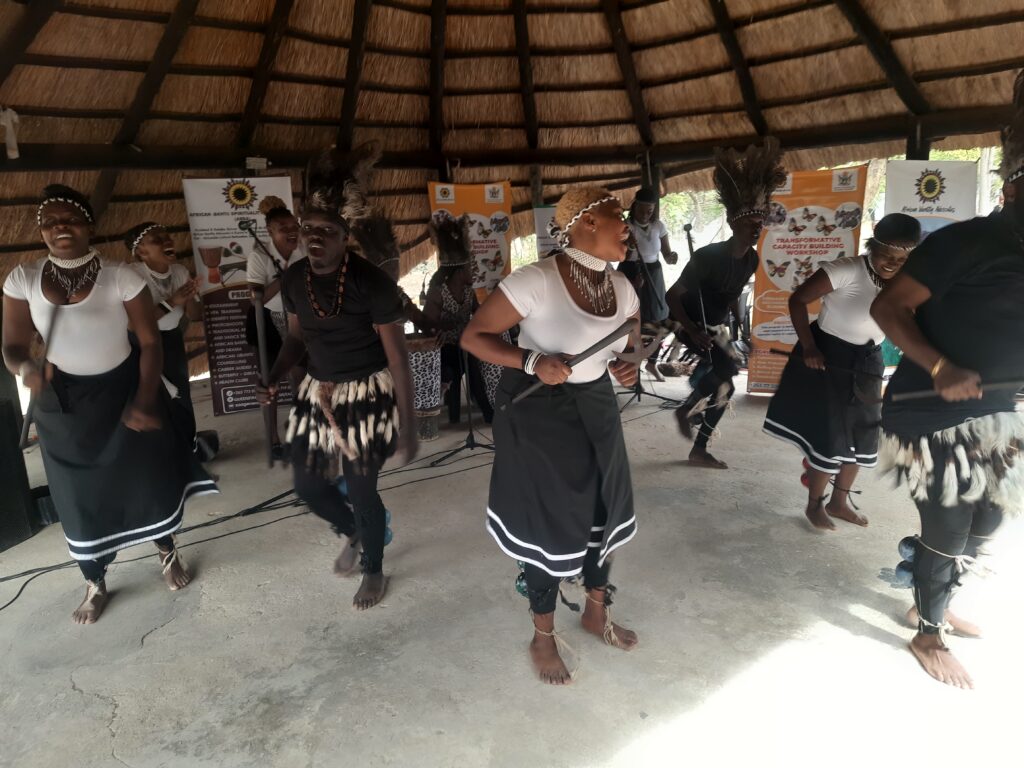
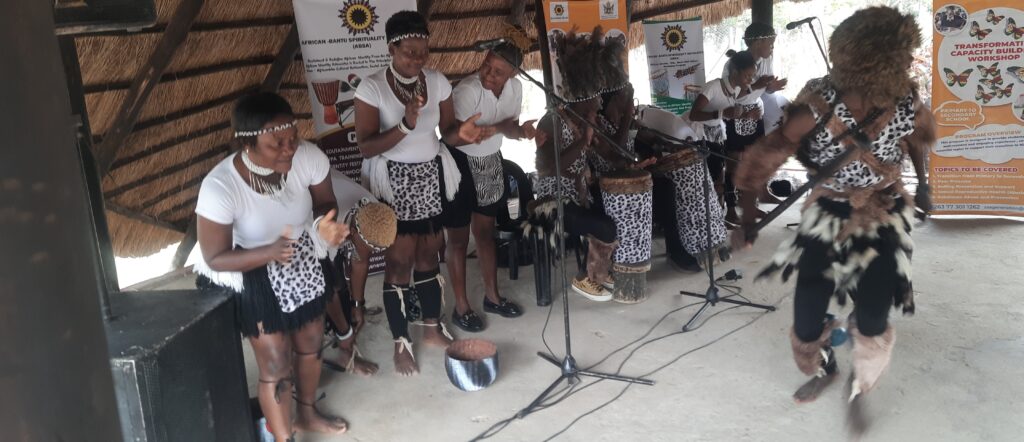
Preserving African culture through song, dance Award-winning Dapurahunanzva Traditional Dance Troupe entertains the gathering, showcasing the power of song and dance in expressing and preserving African identity and culture
UPDATE :
Upholding totems in African culture Ms Tendai Mudehwe, founding director of the African Identity Advocates, highlights the importance of cherishing one’s totem as they are an important aspect of our African existence and identy.
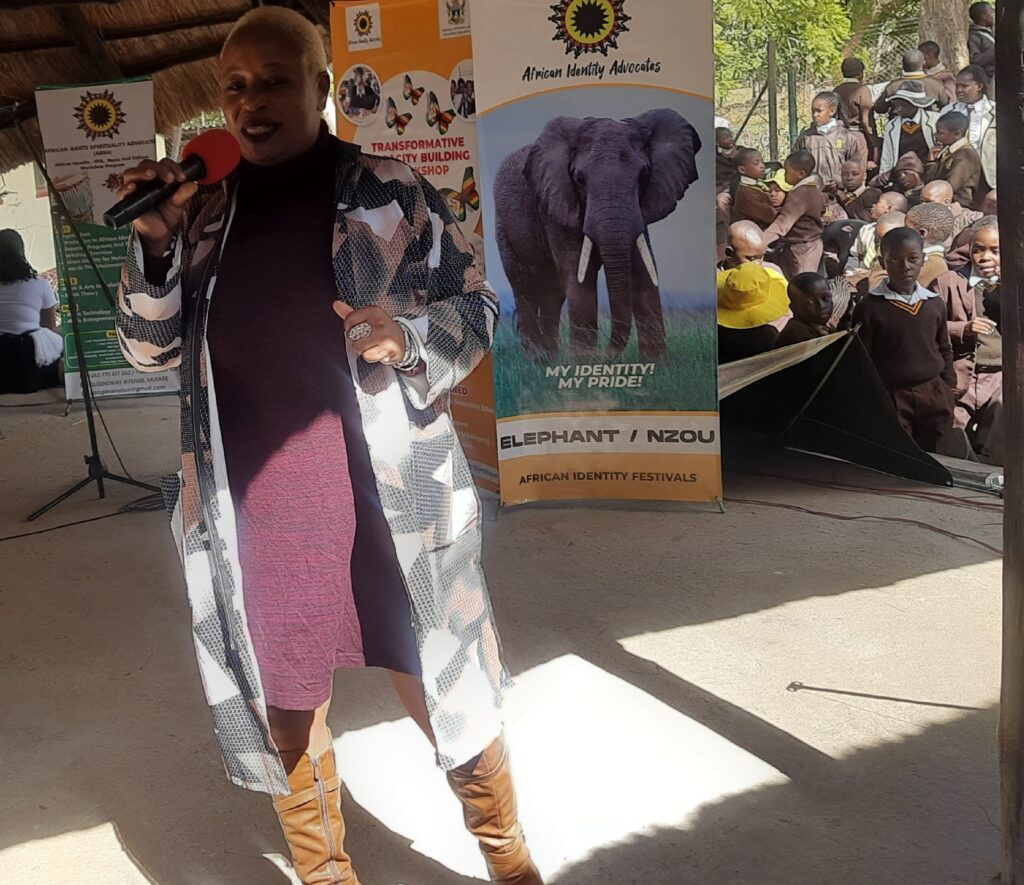 Every African, especially children, must be proud of their respective totems, she adds
UPDATE :
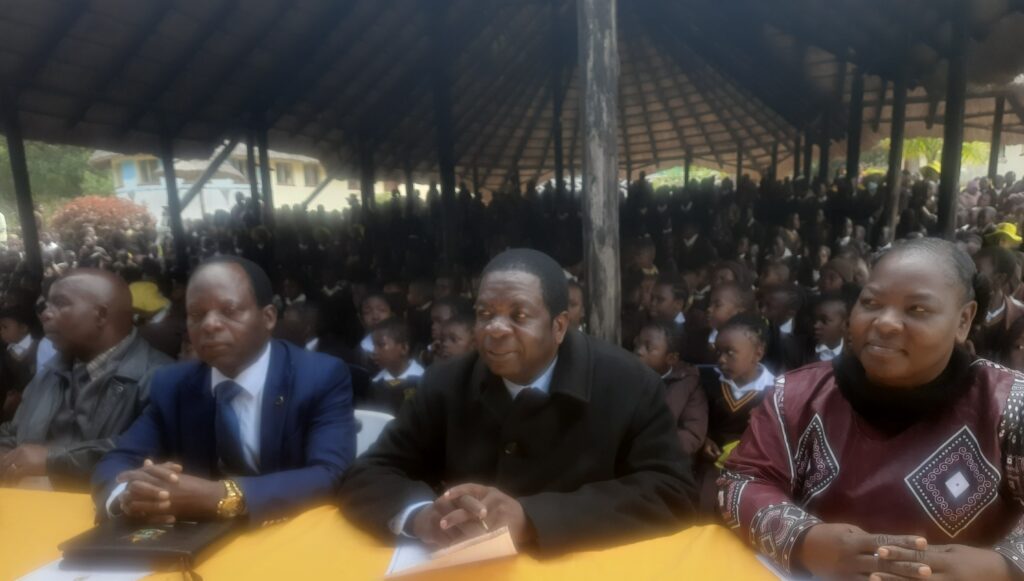
PED Gabaza to deliver key note address Manicaland Provincial Education Director Mr Richard Gabaza will deliver the key note address to celebrate the day.
UPDATE :
History of the Day of the African Child This day traces its origins back to 1976 when students in Soweto, South Africa were assassinated for protesting against educational injustice and inequality.
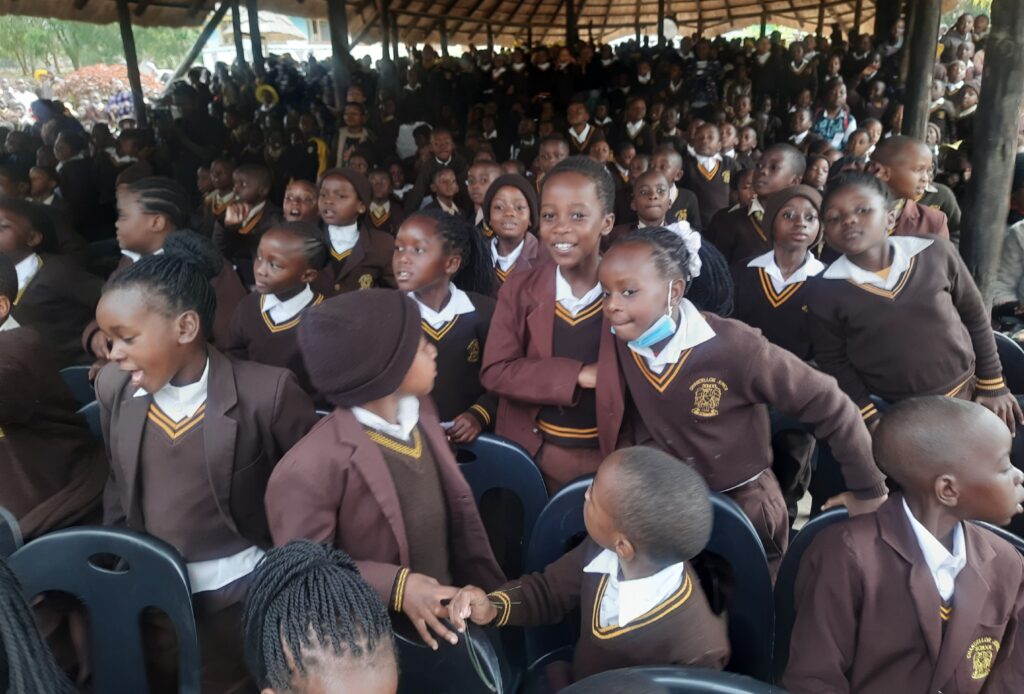 Commemorating the Day of the African Child has over the years served as a powerful reminder to communities to prioritise children’s needs, ensuring they grow and reach their full potential
 UPDATE :
Schools key in teaching, preserving culture Learning institutions play an important role in teaching culture as well as its preservation.
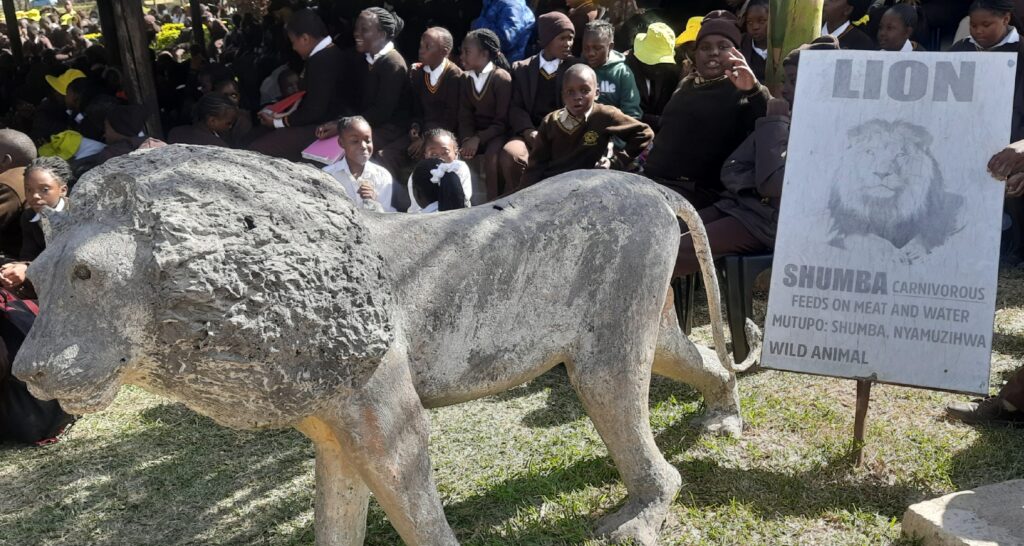
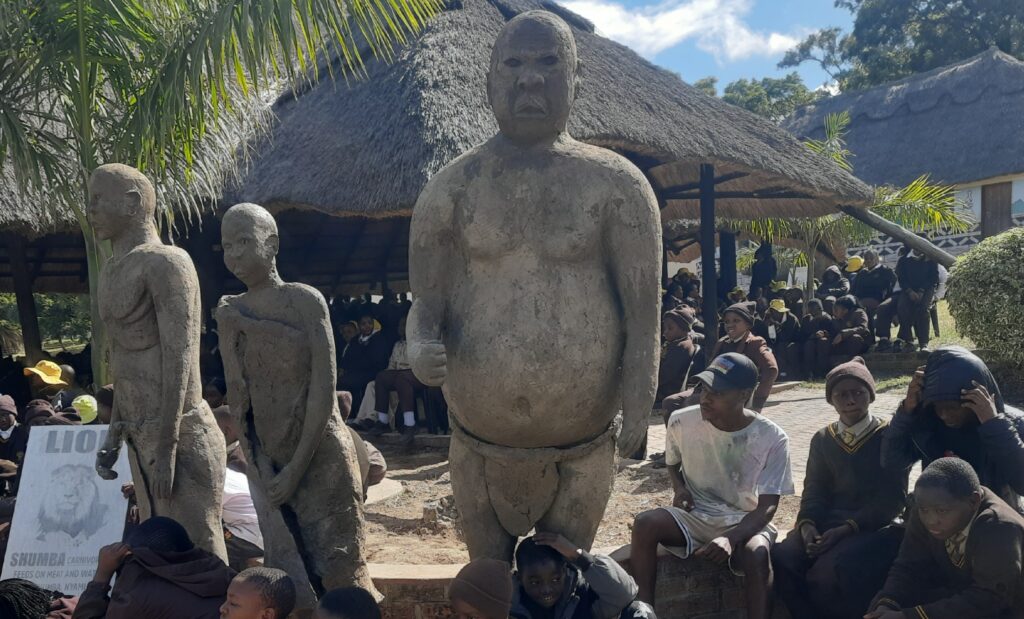 Chancellor Junior School has established a Culture Centre at the learning institutions, showing different aspects of the African culture and identy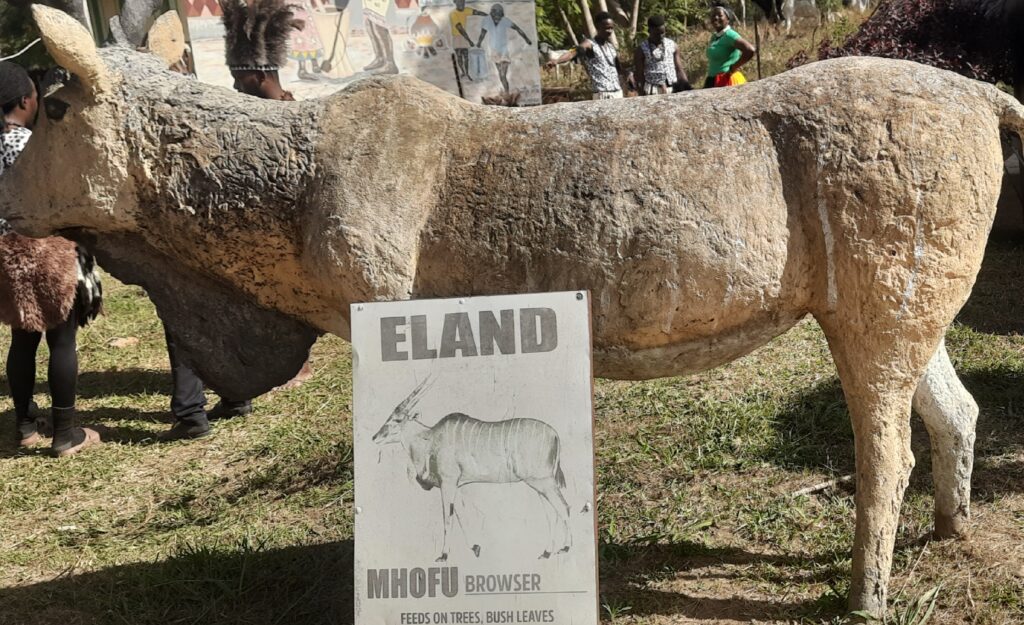
UPDATE :
Building brighter future for Africa’s children In his keynote address, Mr Gabaza said is committed to to creating a world where every African child can thrive, learn, and grow in a safe and nurturing environment by addressing the pressing issues that affect their lives, such as poverty, inequality, and lack of access to quality education and healthcare.
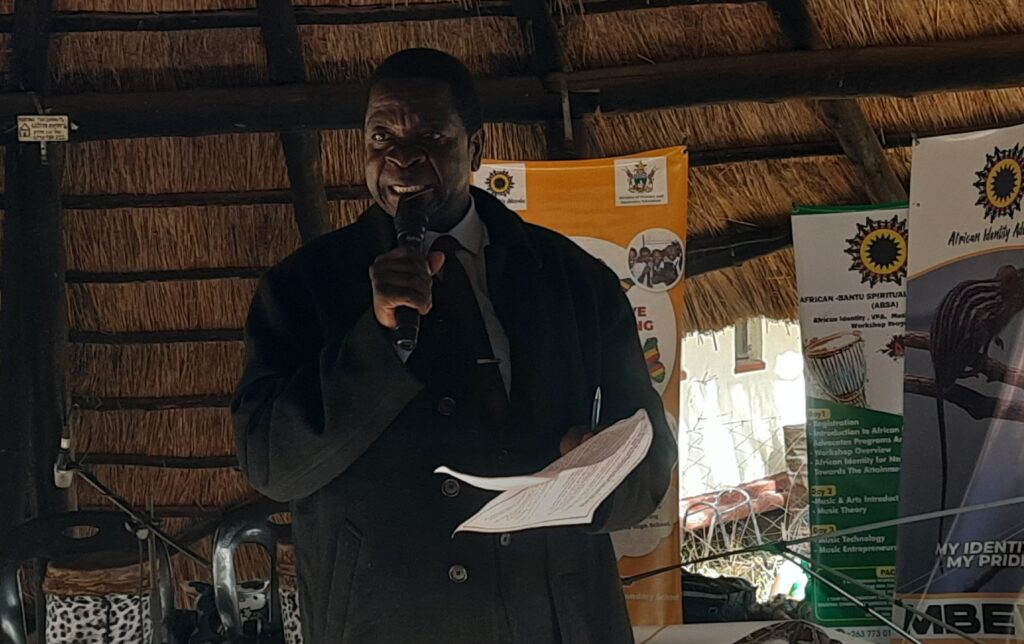 “Together, we can build a brighter future for Africa’s children, where they can reach their full potential and become the driving force for positive change on the continent,” he said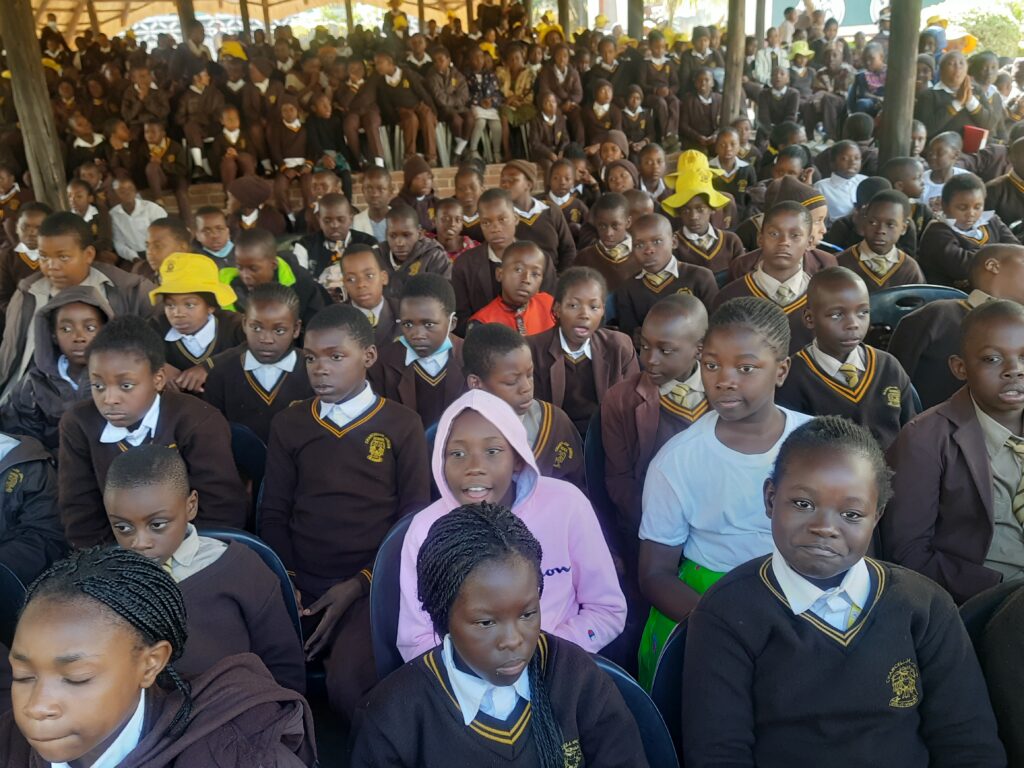
UPDATE :
Promoting indigenous languages to preserve culture Mr Gabaza said adopting the use of our indigenous languages as languages of instruction is crucial in learning adls this speaks to the key area of the the heritage-based curriculum.
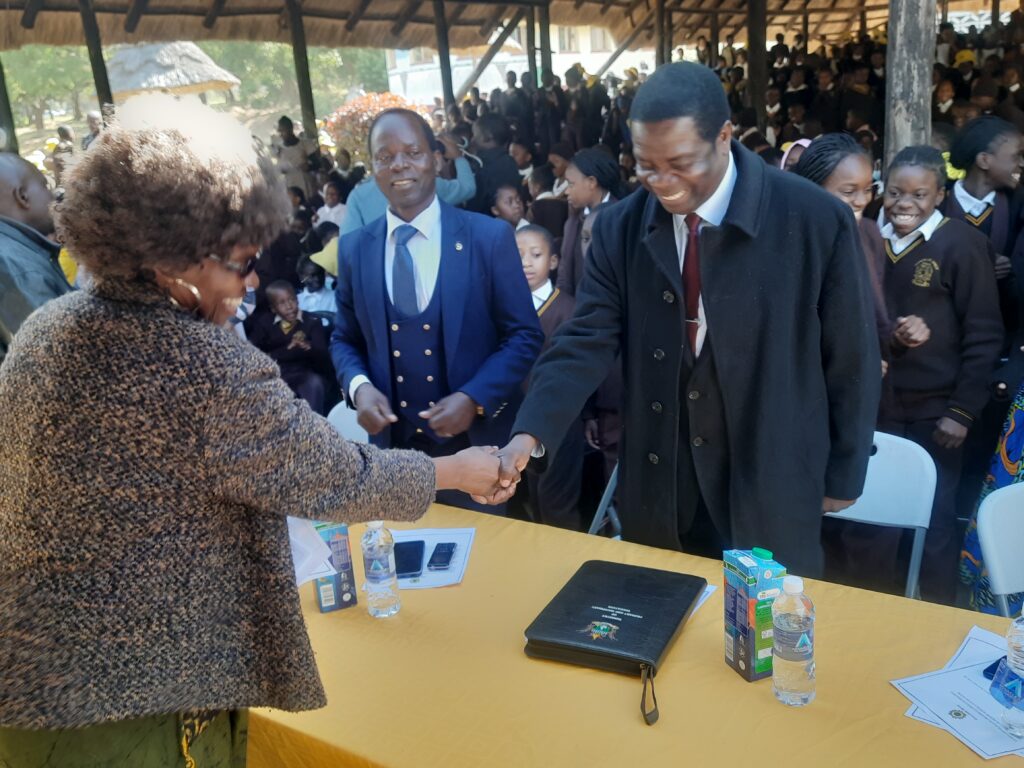 Said Mr Gabaza: “The Second Republic as being led by H.E The President of the Republic of Zimbabwe Cde Dr Emmerson Mnangagwa takes seriously the Zimbabwean Children as the core and Custodian of Zimbabwe’s future. The revolutionary introduction of the Heritage Based Curriculum (HBC), which is Skills and Competence Curriculum is empowering every child with the opportunity to succeed in disciplines of choice leaving no one and no place behind.”