admin
admin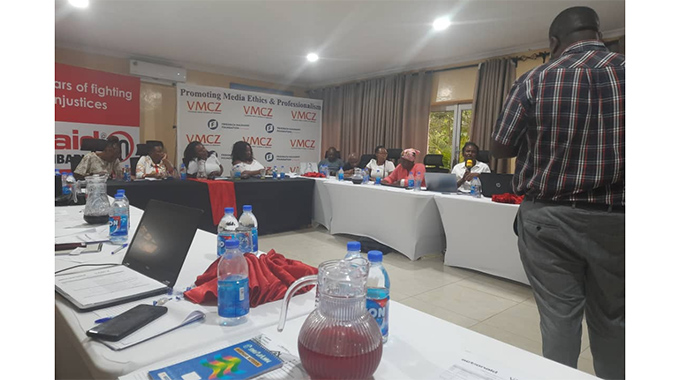
Muchaneta Chimuka Herald Correspondent
AS a way of bridging the gaps that have been identified in the media in terms of social accountability reporting, ActionAid has partnered High Way Africa and the Voluntary Media Council of Zimbabwe to conduct an editors’ indaba in Kadoma in order to address the key issues for the national and economic development.
The ActionAid project manager Mrs Delight Moyo said social accountability is a key concept in reporting on issues in the media.
“When we talk of social accountability we refer to the idea that the media should be held accountable to the communities they serve, so do those in position of authority. The media should report those issues in a fair, balanced, and transparent manner. This helps in creating a more informed and engaged public,” said Mrs Moyo.
The national coordinator for the Zimbabwe Editors Forum Mr Njabulo Ncube said social accountability reporting helps in creating a democratic society.
“It is important in holding public institutions accountable and it unearths malpractices and corrupt activities for the good of the nation,” said Mr Ncube.
Capitalk Radio station manager Ms Nyaradzo Makombe said while several gaps in social accountability reporting had been identified, capacity building workshops for media personnel would help improve the situation.
“Lack of access to information makes it difficult for citizens to hold their public institutions accountable. Another gap is the lack of transparency, which prevents citizens from being able to effectively monitor and evaluate the performance of public institutions,” she said.
The Midlands State University Governance and Public Management lecturer Dr Vincent Chakunda said the public needs to be well versed about
“There are a number of ways that citizens can hold duty bearers (those with a responsibility to fulfil a duty or obligation) accountable. One way is through monitoring and evaluation, which involves tracking the performance of public institutions and officials and holding them accountable for their actions.
This can be done through public hearings, meetings, and community scorecards, among other methods.
“Another way is through advocacy and engagement, which involves engaging with public officials and pressuring them to take action on issues of importance. Finally, citizens can use social media and other forms of communication to raise awareness and build support for social accountability efforts,” said Dr Chakunda.


 Online Reporter