Online Reporter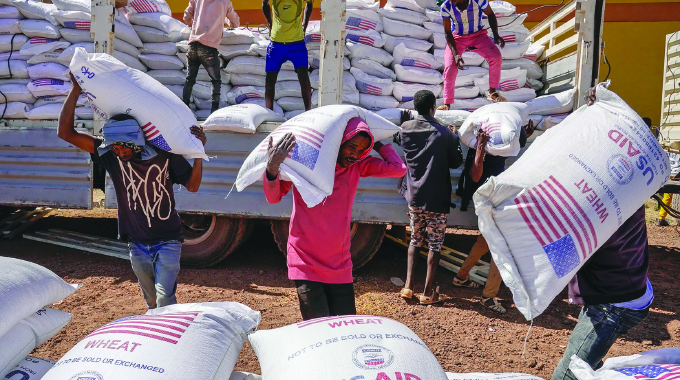
Elita Chikwati
Following the unprecedented aid cuts by the US President Donald Trump and other major donors, some non-governmental organisations have resorted to local development partnerships to sustain humanitarian projects in the country.
The world’s major donors—such as the United Kingdom, European Union, Switzerland and others—have all been cutting back on aid for some time.
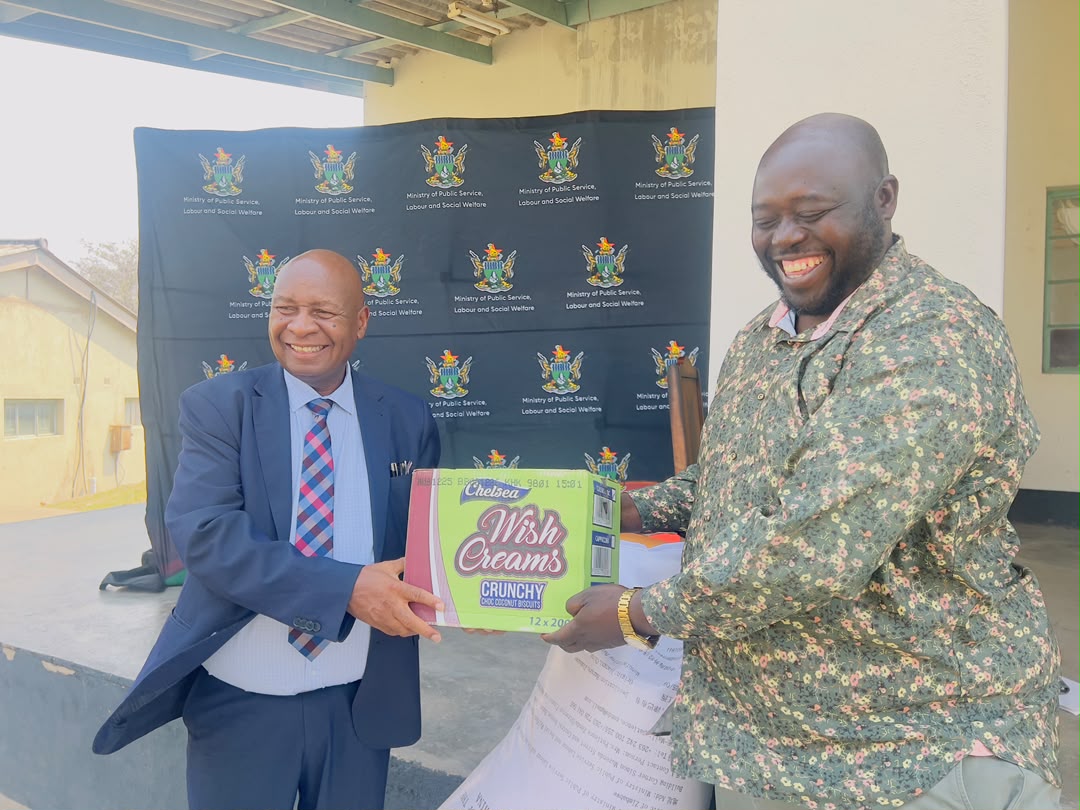
DanChurchAid has resorted to working closely with Government departments and local organisations to pool resources to help vulnerable communities.
The decision has had negative effects and far-reaching consequences. The impact, initially felt by hundreds of aid workers, who now find themselves without jobs, will trickle down to vulnerable communities who will no longer benefit from their support.
DanChurchAid communications manager, Ms Patience Ukama said over the past five years, there has been a decline in funding available for humanitarian aid projects in Zimbabwe.
“Part of it has been due to global crises like Ukraine and the conflicts in South Sudan, Gaza, and the DRC.”
“One of the stop-gap measures to prevent such devastation is localisation. Localisation is a humanitarian aid practice that gives more power and funding to local organisations,” she said.
DanChurchAid is one of the organisations building the capacity of local civil society organisations to implement programmes to assist vulnerable people in marginalised societies.
“We believe in building effective local development partnerships,” said Ms Ukama. “These partnerships can transform society. Strong development partners are essential for sustainable long-term development.”
Meanwhile, 20 000 individuals have benefitted from the DanChurchAid-led Utariri programme across Hurungwe and Mbire Districts.
The assistance is funded by the Embassy of Ireland, the Danish Disaster Emergency Resource Fund (DERF) and the Embassy of Sweden.
The programe is meant to alleviate food insecurity in these areas following the recent drought.
One beneficiary, Ms Nadipha Chirovenengwa (not her real name) is now able to feed her household.
Another beneficiary, 68-year-old Mrs Emma Runyare (not her real name) is raising three grandchildren, who are all minors.
“The programme came as a blessing. We had little to eat as we did not harvest anything last year due to the drought,” said Mrs Runyare.
The project also integrates protection activities, including raising awareness on child protection, sexual and gender-based violence and referral pathways.