Chronicle Editor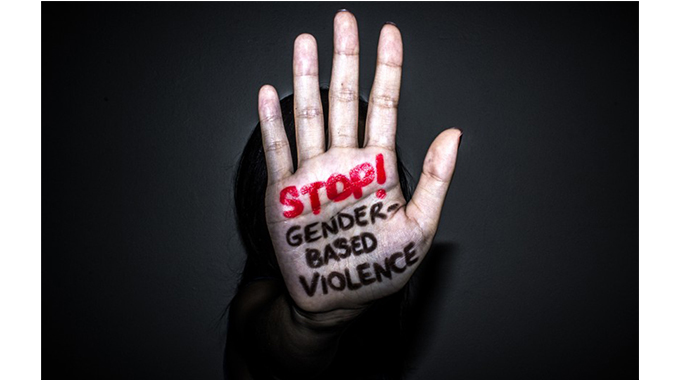
Andile Tshuma
The announcement of stricter level four Covid-19 regulations took many of us down memory lane to the first Covid-19 lockdown of 2020.
A lot has happened over the year, while we have managed to learn to live with the pandemic, many of us carry scars of how we have been affected. Loved ones were lost, as they succumbed to the virus, incomes were lost, some learnt to fully work at home, businesses closed and are still failing to re-open. For some, the pandemic brought new opportunities and business is beaming. Such is life.
For some, lockdowns bring nightmarish experiences as such regulations mean that they have to be locked down with abusers, and curfews mean longer hours of turmoil in some households.
The painful part is that we now almost have an idea of how it plays out. People continue to die at the hands of loved ones, despite all the anti-gender based violence campaigns. Where are we getting it all wrong? Surely we must be missing it somewhere.
The spell of Gender Based Violence is real and if it doesn’t affect us directly, affects our sisters and brothers, our parents, friends, neighbours. It is noble to constantly check on each other because you never know which phone call or text could save a life.
There is continued talk about how Covid-19 has left more people exposed and vulnerable to abuse, however, there is just not enough action that corresponds with the severity of the matter.
Despite the many hardships being faced and the new complexities of life that have been exacerbated by the Covid-19 virus, freedom from violence cannot under any circumstances be surrendered as the right to live a life free from abuse and violence is a basic and fundamental human right.
Globally, many countries are reporting a surge in cases of domestic violence and multiple forms of GBV, as well as violence against children. Strategies to address these challenges are being implemented in our neighbouring countries.
To bring an end to this shadow pandemic, Zimbabwe must act now.
In Zimbabwe, about 1 in 3 women aged 15 to 49 have experienced physical violence and about one in four women have experienced sexual violence since the age of 15.
In an effort to champion gender equality and advocate for the elimination of GBV in our communities, Government must prioritise and implement the various recommendations made to reduce and eliminate such violence in all of its forms.
There should be a clear commitment to fostering better working relationships between Government, private and civil society actors towards maximising collective impact in eradicating the root causes of GBV.
Government must also work to address the causes of GBV in communities. Some of the contributing factors on this pandemic include poverty, general financial hardship, job loss, loss of income especially now as a result of the pandemic, leading to frustration, restriction of movement, confinement at home, uncertainty and fear.
Government must continue to work on delivering jobs to the people and improve on social safety nets for vulnerable communities so that no Zimbabwean experiences Gender based violence rooted in poverty and financial frustration.
All Zimbabweans must reflect on their own complicity in maintaining the culture of violence and abuse, make the necessary behavioural and attitudinal shifts and commit to standing together to safeguard communities against these vicious cycles of abuse.
Policy makers must engage traditional leaders and community leaders to ensure that victims are encouraged to report cases of GBV.
GBV is not only physical assault but includes threats of violence, it can be psychological, physical, emotional and often takes place because of power and inequality.
The high prevalence of GBV in the country says a lot about state of affairs in the protection mechanisms in place and the efforts being made to bring the scourge to an end.
Many people have lost their loved ones who have succumbed to Covid-19 this year. Many households are still in mourning. Some could not even attend the funerals because of Covid-19 regulations.
Silence is never golden when it comes to Gender based violence.
Due to fear of stigma, victimisation and increased violence, victims tend to opt to remain silent than to speak out and expose violators.
Girls and women have often been taught to remain silent when faced with abuse and violence. Society also socialises men to present themselves as strong, meaning that they are not supposed to present as weak, and they are also unlikely to report abuse, for fear of losing their masculinity.
Society needs to change the status quo.
We must all work to break the silence.
Silence is not golden because it always gives permission to the oppressor to continue prevailing and wreaking havoc whenever, wherever and however.
Speaking out brings help and helps other victims find their strength to report abuse. Lessons can be drawn from the ‘me too’ movement, which saw many victims of abuse taking to social media to expose violators of their rights.
More men and women continue to open up about their experiences of harassment and violence, it is encouraging. But, is our society ready to deal with these victims who are finding their strength.
Are we as Zimbabweans ready to act on these developments?
Encouraging victims to speak out is one thing, knowing what to do when they speak out is another.
We must empower and equip ourselves with the knowledge and skills to help survivors ad victims who have chosen to speak out to walk their path of finding justice.
We must not be obstacles. Some people can unknowingly be obstacles in the part to justice through mockery, through stigma, through harsh words and through gossip.
How we decide to react to victims speaking out has a bearing on how their journey to find justice will play out.
It is a good thing that more women and men are coming out with the experiences that have scarred them for life, which are often very traumatic.
These experiences are hard to speak about even to family members.
Women and girls are particularly vulnerable in this patriarchal society as they are also victimised by fellow women who subscribe to patriarchy.
The lockdown period makes gender based violence victims particularly more vulnerable and as communities we must always ensure that we check on our neighbours, our friends and our families, you never know, someday you may make a phone-call that will save a life. -@andile_tshuma



 Online Reporter