admin
admin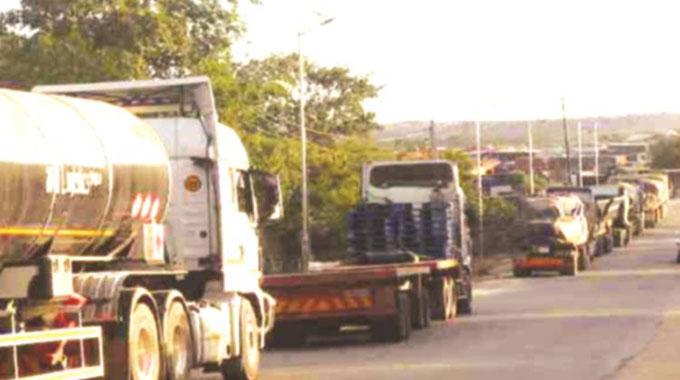
Thupeyo Muleya Beitbridge Bureau
As more intra-Sadc trade is diverted to Zimbabwean routes during the Covid-19 lockdown across the region, doubling the number of trucks passing through Beitbridge each day, extra efforts to detect smuggling have seen 21 trucks intercepted recently, carrying millions of dollars of suspected smuggled goods.
In addition, another 22 vehicles have been seized after being found crossing the Limpopo through undesignated points.
With most other trans-Sadc routes closed under lockdowns, much of the road traffic between South Africa and countries north of the Zambezi has been diverted to Zimbabwe, where lockdown regulations enforcing public health safety and designated truck stops for rest and refuelling have allowed relatively risk-free transit.
So, Zimbabwe now carries most of the traffic going north to Zambia, Malawi, DRC, Tanzania and Angola.
According to the Zimbabwe Revenue Authority (Zimra), traffic volumes increased from an average of 450 trucks daily last year to 1 000 a day between March and June this year.
Zimra’s regional manager for Beitbridge, Mr Innocent Chikuni recently said that the smuggling of groceries and related items remained the biggest challenges to the collection of revenue.
He was speaking during the tour of the border by the revenue authority’s senior managers and the Finance and Economic Development Minister Professor Mthuli Ncube.
“Working with other stakeholders we have been able to seize goods from 56 offenders and impounded 22 motor vehicles between April and May at undesignated entry points along the Limpopo River,” said Mr Chikuni.
“In addition, smuggling activities through the border post are surging because of the increased traffic. Between March and May we recorded 81 seizures including 21 commercial trucks and trailers.
“We are now looking at increased automation of most processes and concentration of staff to control of high-risk cargo to minimise smuggling through the main port of entry.
“On the river front, we believe that if we deploy more human and material resources to man or patrol the undesignated entry points we can make headway. However, accommodation shortages are our greatest undoing as we wish to have more hands on the ground.”
Mr Chikuni said the border had become arguably the Covid-19 hotspot in the country considering current infection figures and the risks associated with interface by various Government agencies and stakeholders operating within and outside of the border.
The official said they were also dealing with commercial truck drivers returnees regularly.
Mr Chikuni said they were working with line stakeholders among the health officials to minimise risks of new infections.
Among the safety and anti-smuggling precautions are mandatory pre-arrival clearance of all cargo and the use of risk management in the processing of the cargo.
“We also recommend the use of the pre-clearance facilities – online communication and clearances of groceries that come as consolidated (omalayitsha),” said Mr Chikuni.
“Additionally, we opened up more release lanes through the use of private vehicles and a bus lane for low risk commercial cargo, including Government maize, and so far 123 280 733 kg have been imported in 3 500 trucks since the beginning of the year.”


 Online Reporter