

 admin
admin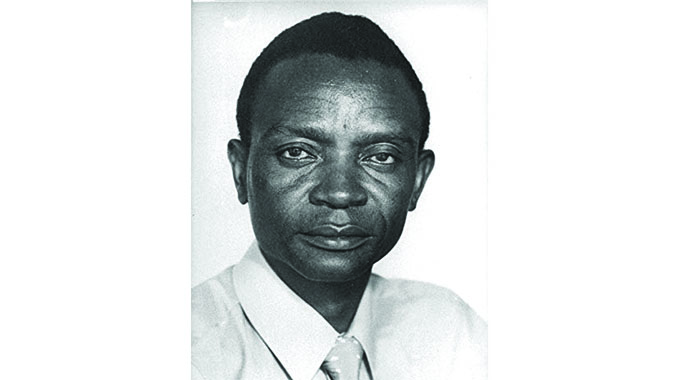
The Herald, 12 July 1980
THE Minister of Health, Dr Herbert Ushewokunze, yesterday said he was “extremely dissatisfied” with the water and sanitation conditions in some parts of the Chitungwiza area near Salisbury.
He urged the Chitungwiza Urban Council to make efforts to improve health conditions in the area particularly in the St Mary’s and the Chirambahuyo squatter camp.
Dr Ushewokunze was on a tour of Chitungwiza to familiarise himself with his ministry’s functions.
“I am not satisfied at all with the health services in this area – especially St Mary’s and Chirambahuyo.
“I admit that Chirambahuyo is supposed to be a temporary place, but even then, efforts must be made by the council to create health conditions and invite the community to take part in the effort to be healthier.”
He said that with the help of health assistants “we could embark on an all-out war, using the artillery of health education and mother-and-child health care. I admit that the constraint is finance, but even in the face of this, we must show some degree of flexibility. We must not be straitjacketed by always wanting curative service..
Dr Ushewokunze said that in the St Mary’s area, where he inspected some lavatories, the sanitation conditions were horrible to say the least. Pit latrines were full in the vicinity of a reasonably posh clinic.
“What it means is that a patient receives infection through this poor sanitation and is sent to the clinic for treatment but is sent back again to the same conditions after treatment.
“This cycle will obviously repeat itself and we will end up spending more money on buying drugs than we would do if we preached preventive and promotive health habits. We should show the way by trying to control the sources of infection.”
Asked for his comment, the chief executive of Chitungwiza Urban Council, Mr Bryn Elkington, said: “We haven’t got enough resources. That is all I can say.”
LESSONS FOR TODAY
- Access to clean water and proper sanitation facilities is essential for maintaining public health. Without adequate water supply and sanitation, the risk of water-borne diseases such as cholera and typhoid increases significantly.
- Ensuring access to safe drinking water and sanitation facilities helps prevent the spread of diseases and protects the health of the population.
- Availability of clean water and sanitation services improves the overall health for residents. Access to safe drinking water is a basic human need and is essential for daily activities such as cooking, cleaning, and personal hygiene. Adequate sanitation facilities contribute to dignity, privacy, and overall well-being.
- Reliable access to clean water and sanitation is also vital for economic development. Industries, businesses and households require water for various purposes, including manufacturing processes, agriculture, and domestic use. Lack of access to clean and safe water can hinder economic activities and productivity.



 leeroy
 Online Reporter