admin
admin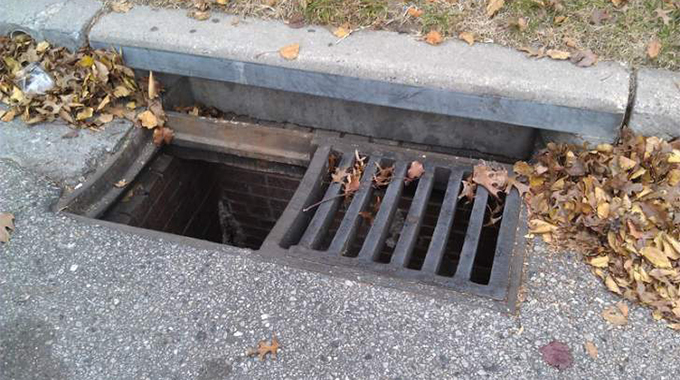
The Herald, 16 October 2015
WITH Harare having received its first rains yesterday, the city council said it will start clearing storm drains next week in the Central Business District and residential areas, city director of works Engineer Phillip Pfukwa said.
He said the city wanted to avert flooding that was caused by blocked storm water drains during the onset of the rainy season last year.
“From next week, council workers will be both in the CBD and in the residential areas to clean the drainage system. We will put more bins and clear designated dumpsites in order to minimise rubbish that finds its way into storm drains.”
The flooding in the CBD last year left several motorists grounded as many roads were impassable.
The overflowing water also damaged property in clothing shops and food outlets as some materials were socked. Eng Pfukwa said a number of measures had already been put in place to avoid flooding including clearing “Catch Pits” for the free movement of water.
“What we did as the City of Harare was the relocation of vendors to designated areas. These people were also responsible for blocking the drainage system as they threw litter everywhere.”
Eng Pfukwa warned construction companies and residents building houses to shun placing building materials such as bricks and sand in front of drainages, adding that it blocked the waterways.
He said council workers were on high alert and anyone seen violating city by-laws would face the full wrath of the law. He warned motorists to avoid driving in the low-lying areas during the rainy season as they risked drowning.
“The rainfall season is associated with flash floods, which are dangerous. All pedestrians and motorists are expected to avoid all the low lying areas to keep at bay and avoid being swept away,” he said.
LESSONS FOR TODAY
Transparency and accountability are critical governance issues in any set up — be it central and/or local Government, the private sector or voluntary service organisations. These are yardsticks used to measure truth-telling and integrity.
When service delivery is up to standard, the media would not waste time and resources following up on such mundane issues because the excellent performance by the local authority will be there for all to see.
Harare as the capital city is the gateway to Zimbabwe. The city fathers and mothers cannot tell the nation that they have to wait for the onset of the rainy season, before they clean up the drainage systems and the other mess that causes unnecessary flooding and destruction of property.
With the country expecting normal to above normal rainfall in the 2020/2021 season, it goes without saying that we are likely to see more flooding caused by blocked drainage systems, because local authorities don’t seem to prioritise this issue.
The proliferation of land and space barons has resulted in people putting up illegal structures on undesignated areas. This leads to the blockage of more drainage systems, and flooding eventually.
The monthly Clean-up Campaign launched by the Head of State and Government, President Mnangagwa in December 2018 was a practical demonstration that as citizens of both urban and rural areas, we can keep our environments clean all year round.


 Online Reporter