Online Reporter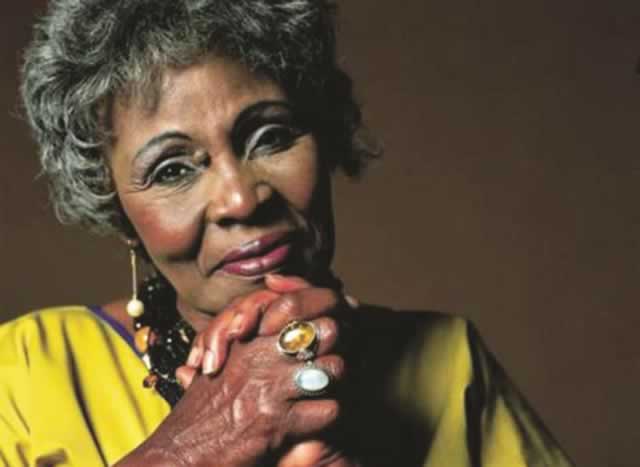
The Herald 17 August 1987
TWO Zimbabwean musicians, singer Dorothy Masuka and drummer Jethro Shasha, left Harare recently to join Buwa musicians in Sweden where they will record their first long-play and organise a world tour for the group.
Buwa, which means “speak up”, is directed by South African playwright, Matsemela Manaka. Some 40 South African musicians, dancers and actors launched the group which staged concerts in Zimbabwe this year.
Buwa depicts the everyday life of a black man in South Africa and the cast is composed of exiled South Africans, a Tswana, one musician from Lesotho and two Zimbabweans.
Jethro Shasha, who came into the music scene in 1968, said this was his breakthrough. He has played with leading musicians such as Caiphus Semenya, Hugh Masekela, Letta Mbulu and Condry Ziqubu. Jethro said his contribution to the long-playing record would be his composition Liberate South Africa.
He was voted best drummer for seven years in succession from 1968 to 1975.
He was born in Sakubva, Mutare, and went to Mutanda School and Old Mutare Mission.
“I started singing while I was in Grade Four,” he said. “The first group I played for was Rocken Boogies, in which my brother, Joseph, was a lead singer.”
He later joined Newton Kanengoni, Frederick Zindi, Maybin M’pill and Fungai Malianga to form the Drifters Band which used to play at Odzi Hotel. The group split when Jethro left for Old Mutare Mission.
Jethro has also worked with the Four Sounds, Movement, Breeze, Unity Band and Baked Beans.
Dorothy Masuka, who has been in the show business from the 50s, left Zimbabwe in 1961. She has been to England, America, the Middle East, Asia and North Africa. Dorothy was born in Bulawayo and educated at St Patrick’s School and St Peter’s in Harare. At Empandeni boarding school “I almost became a nun”, she said. From Empandeni she went to a high school in Johannesburg.
Later Dorothy joined the Golden Crooners. With this group Rhythm she turned professional in 1953. That year, Dorothy and her group sang for the Queen Mother at Rhodes’ Centenary celebrations in Bulawayo. Her first song, Notsokolo, was a hit in Central Africa.
Lessons for today:
- Here we learn themes of talent, perseverance, cultural exchange, and the power of music to tell social stories. Jethro Shasha began singing in Grade Four and spent years performing with different bands before receiving what he called his “breakthrough” opportunity with Buwa.
- Both Jethro and Dorothy continuously developed their careers, took on new challenges, and performed in different environments. The project brought together South Africans, Zimbabweans, a musician from Lesotho, and others to create and perform together. Buwa’s performances depicted the daily experiences of Black South Africans during apartheid and gave voice to social and political realities.
- Both Dorothy Masuka and Jethro Shasha came from Zimbabwe and earned recognition beyond the country’s borders. Dorothy’s career stretched back to the 1950s, while Jethro had decades of musical experience.
- Dedication, talent, collaboration, and courage to seize opportunities can transform local artists into international ambassadors. The story also reminds us that the arts are not just entertainment; they can promote cultural identity, tell important stories, and bring people together across nations.