admin
admin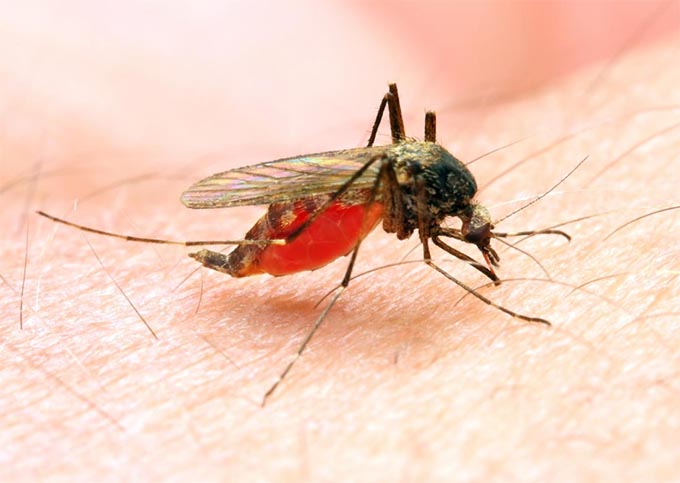
The Sunday Mail,
March 12, 1936
MR H.S. Leeson and Mr J. D. Gillet, members of the staff of the Entomological Department of the London School of Hygiene and Tropical Medicine are coming to Southern Rhodesia to continue an investigation, begun by the former into the life history of malarial mosquitoes.
In a few months’ time, the school hopes to send out more workers to follow up the research on which Mr Leeson is engaged.
On behalf of the School, it was announced that the investigation would ultimately cover the whole of Central Africa from Southern Rhodesia to Sudan.
The aim in the first place was to scrutinise very carefully the two mosquitoes chiefly responsible for the carrying of malaria, to see if they were everywhere identical and were not subdivided into races.
LESSONS FOR TODAY
The massive deployment of life-saving malaria interventions has not only resulted in a decline in disease burden, but also in a change in the risk of infection and disease.
The scaling up of effective interventions, such as long-lasting insecticidal nets, indoor residual spraying, treatment decisions based on microscopy or rapid diagnostic tests (RDTs) and, artemisinin-based combination therapy has led to a substantial decline in the global malaria burden.
The quality of malaria test results is crucial for optimal patient treatment and care.
Selectively targeting and treating malaria-infected individuals may further decrease parasite carriage in low-burden settings.
There are a variety of approaches being used for malaria surveillance. While active and reactive case detection have been successful in localised areas of low transmission, concerns over sustainability keep the approaches from being widely accepted.
In Africa, there are commonalities between malaria and Covid-19 symptoms. Thus testing and cure must take note of that.


 Online Reporter