Online Reporter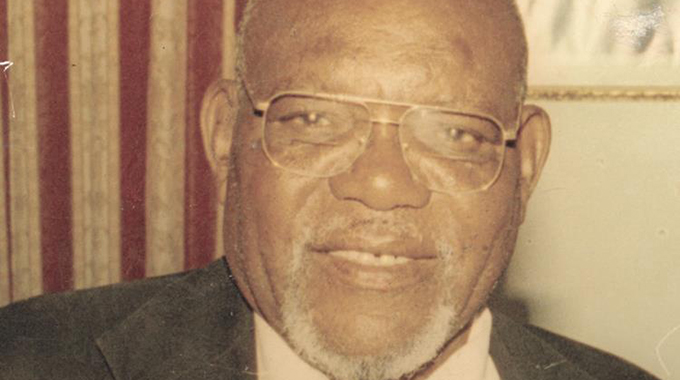
The Herald, 17 September 1985
THE Deputy Prime Minister, Cde Simon Muzenda, yesterday urged local government leaders in Zimbabwe’s towns and cities to discourage the spontaneous growth of squatter camps and temporary shelters that are health hazards.
Opening a five-week course in Harare for town clerks and municipal department heads to analyse urban development management in a period of rapid transformation, Cde Muzenda said every Zimbabwean must regard squatter camps as negative developments.
The complexity of the urban problems that you have to contend with will require novel and imaginative ways of handling the unique situations you meet.”
Government policy was to accelerate planned development of rural areas to create and maintain a healthy balance between urban and rural communities. This intended to improve the under-privileged position of people in the rural was areas as well as relieve population pressure in cities and towns which had led to severe problems in developing countries.
The Government had succeeded in easing that pressure through policies designed to develop rural areas, help communal farmers through the provision of loans and to sensibly price agricultural commodities, said Cde Muzenda.
He urged the council officials to learn about the concerns, hopes, Interests and aspirations of their communities and develop and then deliver the required services accordingly.
“When people complain about the poor quality of services being delivered by our frontline colleagues, it is no use trying to search for excuses to explain away both the deficiency and the complaint.”
The local authorities, he said, had to look for the cause and remove it rather than merely treat the symptoms superficially. The Government appreciated the setting of discussions of management systems and the development resources in councils in a proper political and socio- economic context.
Lessons for today:
- This is not just about squatters. It is about planning, governance, housing, service delivery, and understanding the root causes of urban problems. One of Cde Muzenda’s strongest messages was: “Look for the cause and remove it rather than merely treat the symptoms superficially.”
- This remains highly relevant today. Squatter settlements do not appear out of nowhere. They often emerge because of housing shortages, high urban rents, unemployment, rural-to-urban migration delays in allocating residential stands and lack of affordable housing finance.
- Simply demolishing structures may remove the visible problem, but if the underlying causes remain, new settlements are likely to emerge elsewhere. Cde Muzenda warned against the “spontaneous growth” of settlements because they can lack water supply, sewage systems, roads, waste collection and health facilities. Cities must grow according to well-planned development strategies to avoid future public health and infrastructure concerns.