Online Reporter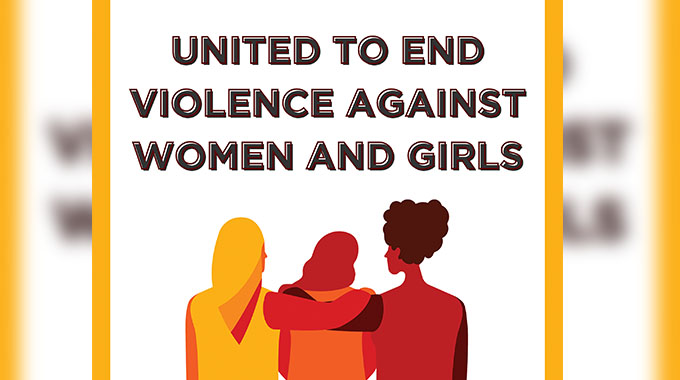
Lubelihle Moyo
BULAWAYO is gearing up for the 16 Days of Activism Against Gender-Based Violence, and this year the city’s spotlight is on digital abuse. The march under the theme “Unite to End Digital Violence Against All Women and Girls” will take place on 28 November at Pumula North Shopping Centre starting at 10AM, followed by a festival and exhibition at Isilwane Youth Centre from 11AM to 3PM.
While conversations on gender-based violence often focus on homes and communities, the creative and online spaces where women and girls thrive are also under threat. Cyberbullying, doxing, sextortion, and other forms of digital harassment have become silent epidemics hiding behind social media feeds, art galleries, and recording studios.
In an exclusive chat with B-Metro, Louisa Mandy Mwatse, Programmes Assistant at Yellow World, outlined the campaign’s strategy. “This year we are tackling digital violence head-on,” she said. “Through online campaigns, young people are sharing poetry, music, dance, and personal stories to encourage victims to speak out. We are also hosting Twitter spaces where experts teach how to protect data, report abuse, and identify digital violence early.”
Mwatse highlighted that access to justice and support services is central to the initiative. “We are working closely with the Victim Friendly Unit of the Zimbabwe Republic Police to create referral pathways for survivors. They can access legal aid, counselling, and safe-house shelters. We are also running workshops on privacy settings, safe online behaviour, and reporting abuse. The march and festival will feature information sessions for young people on these topics.”
The campaign is engaging policymakers and local leaders too. “We have invited councillors and law enforcement to join the march and festivities. Their presence is a chance to be inspired to strengthen laws around digital violence and online safety,” said Mwatse. While tech companies are not yet directly involved, the focus remains on empowering individuals to set digital boundaries and protect themselves.
Inclusion is also a priority. “We want marginalised groups, women with disabilities, LGBTQ+ individuals, and rural communities, to be part of the conversation,” Mwatse said. Though resources in local languages are not yet available, the campaign hopes to collaborate with other organisations in the future to expand accessibility.
The impact of the initiative will be monitored through surveys, focus groups, and reports on survivors accessing support services. But beyond numbers, the core message is simple and powerful. Women should be loved, respected, and protected, not harassed, humiliated, or beaten like bongo drums.
As Bulawayo prepares to march, the message is clear. Digital spaces should be safe spaces and the lessons of 16 Days of Activism extend far beyond a single month. Love, respect, and protection of women is not optional. It is the baseline of a civilised society.