Online Reporter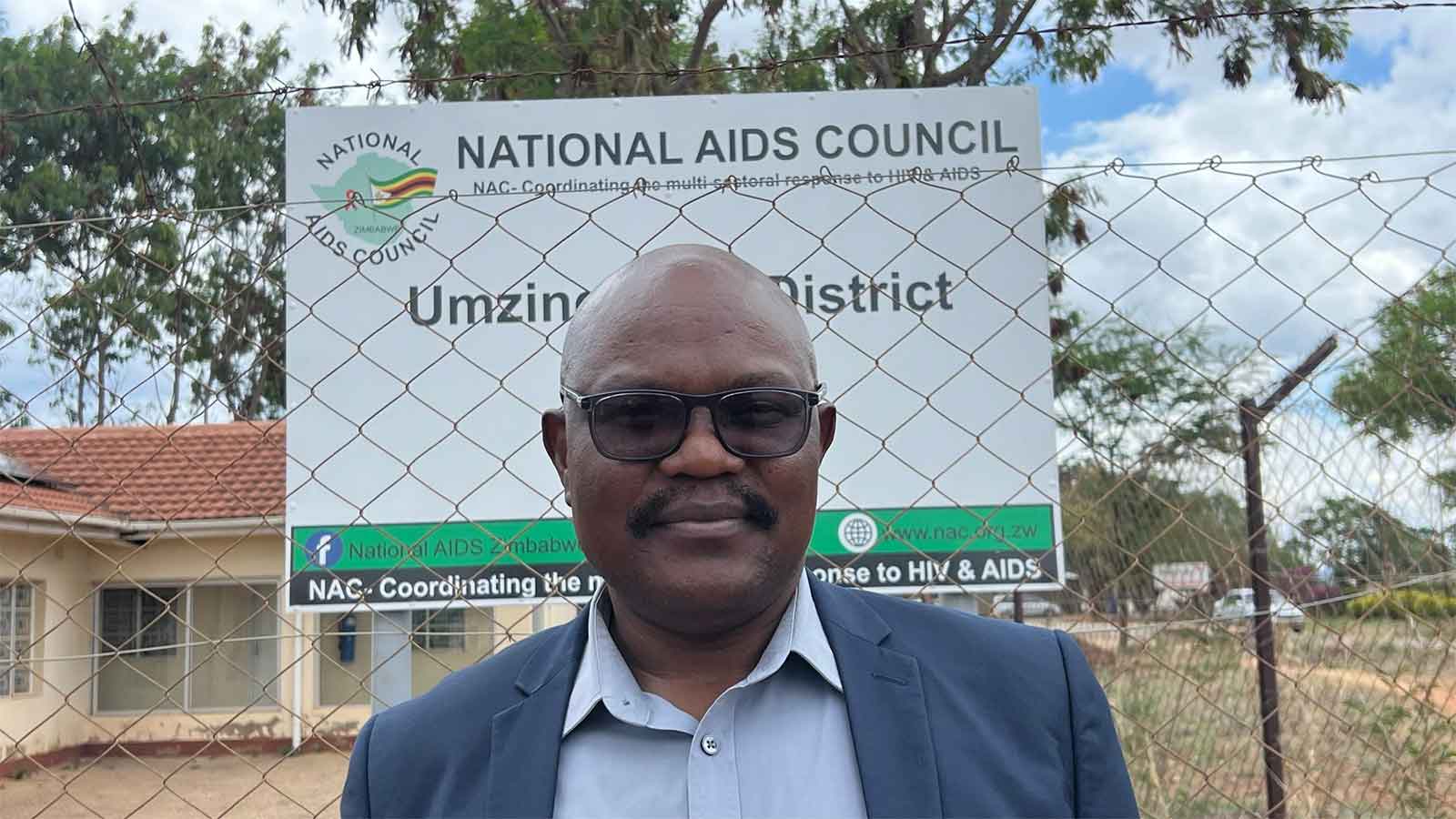
Thupeyo Muleya, [email protected]
FOR years, the journey to school was a daily test of endurance for many girls in Umzingwane District, with some walking nearly 20 kilometres to attend classes.
The long distances exposed vulnerable learners to numerous risks, contributed to school dropouts and poor academic performance, while some girls ended up in early marriages or became victims of teenage pregnancies.
The construction of two low-cost boarding facilities at Sihlengeni High School and Bayethe Secondary School has begun to change that story, bringing education closer to vulnerable girls and offering them a safer environment in which to learn and thrive.
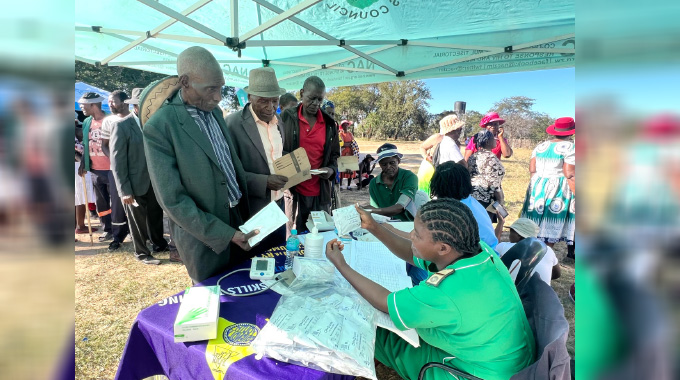
The sustainable and affordable boarding model, supported by the Global Fund through the United Nations Development Programme (UNDP), is being implemented by the National Aids Council (NAC) and Plan International under the Determined, Resilient, Empowered, Aids-free, Mentored and Safe (Dreams) Modified programme.
Each facility accommodates 32 girls and has been operational since January 2023.
Beyond providing accommodation, the initiative is being credited with improving school attendance, academic performance and reduced teenage pregnancies and HIV infections among adolescent girls and young women.
Speaking during a recent media tour of HIV and Aids intervention projects, NAC Umzingwane District Aids coordinator Mr Mduduzi Ngwenya said the boarding facilities were established after it became apparent that long distances were preventing some girls from accessing education.
“We have the Dreams Programme, which is being implemented in all seven districts of the province. In six districts, the project is being implemented under ZHI, while in Umzingwane we have the Dreams Modified programme,” he said.
“The Dreams programme, which targets adolescent girls and young women, is a response to the high HIV rate within this age group. We realised that some of the major drivers are lack of schooling and teenage pregnancies.”
Mr Ngwenya said some of the girls at the two schools were failing to access schooling because of the long distances travelled.
“Together with our partner, Plan International, and through funding from UNDP, we saw it fit to establish these low-cost boarding facilities,” he said.
Mr Ngwenya said Umzingwane District has a population of about 73 000 people, with about 10 000 living with HIV.
The district’s HIV prevalence rate stands at 13,3 percent, while incidence is at 0,3 percent.
Mr Ngwenya said there were encouraging signs in efforts to address vulnerabilities among young people, with teenage pregnancies declining to 222 during the first half of the year, compared to 238 during the same period last year.
At Bayethe Secondary School, the impact of the boarding facility is already being reflected in improved academic performance.
Deputy head Mr Njabulo Dube said the school’s pass rate had risen from 14 percent before the establishment of the facility to 50 percent, with girls accounting for the majority of learners benefiting from the improvement.
The school serves five feeder primary schools, meaning many learners previously travelled long distances to access secondary education.
Bayethe School Development Committee vice-chairperson, Mrs Sikhumbuzo Gumbo said the intervention had also contributed to a decline in teenage pregnancies.
“Previously we would record at least 10 pregnancies among learners, but now, with the support of NAC and its partners, children are more conscious about HIV prevention and have changed their sexual behaviour,” she said.
“In addition, this boarding facility has made a huge difference for these vulnerable female pupils.”
However, Mrs Gumbo said the challenges facing rural learners were not limited to girls.
“Going forward, we also need to look at the plight of male pupils who suffer the same fate. Some are dropping out of school because of the long distances and end up going into artisanal mining,” she said.
The community is now mobilising resources to expand the initiative.
Mr Nqabutho Sigola, who was representing Chief Sigola, said the low-cost boarding facility had brought significant relief to families in the area.
He said the community was pooling resources to construct another block to accommodate more girls and reduce cases of “bush boarding”, where pupils are forced to stay in rented rooms or with relatives near their schools.
Umzingwane Schools Inspector Mr Thuthani Nkomo said the intervention was helping bridge critical gaps.
“This intervention by the partners was timely. We had challenges of girls dropping out of school.
“The boarding facility ensures that pupils are not exposed to issues that drive the spread of HIV and Aids or affect their performance in school as a result of walking long distances,” he said.
Mr Nkomo said at these facilities, the girls are also learning life skills and making proper decisions regarding sexuality.
“The goal of reducing early pregnancies and improving academic performance among girls dovetails with efforts to reduce HIV and Aids cases among adolescent girls and young women. The enrolment of girls in secondary schools is now increasing,” he said.
Plan International programme facilitator for Umzingwane, Mr Owen Mutanga, said the organisation was rolling out the DREAMS project across the district and was supporting at least 908 girls.