Chronicle Editor
Yolanda Mlilo, Sunday News Reporter
CALLS are growing louder for stakeholders in the housing sector to consider low-cost housing schemes affordable to average earners as part of the solution to the mushrooming of informal settlements in towns and cities that are becoming a haven for criminals and diseases.
The calls come in the wake of a massive growth in squatter camps in Bulawayo, blamed on the cost of housing stands and expensive rentals.
There has been an expansion of the existing informal settlements in Trenance, Killarney and Ngozi Mine in Bulawayo and the water shortages have not made it any better but have fuelled fears of disease outbreaks as the squatter camps are not receiving basic services from the city council.
In an interview with Sunday News on the developments, Ward Two councillor, Adrian Moyo said the emergence and growth of informal settlements otherwise referred to as squatter camps was a serious cause of concern, which speaks to the need for low-cost accommodation.
He said fears of disease outbreaks from the informal settlements were genuine, especially with the current challenges bedevilling the city council in the provision of water.
“Informal settlements are not considered in the city’s planning process although the city is taking initiatives to help the inhabitants. The challenge is that we seem not to have initiatives to provide low-cost housing schemes that the average earners can afford. Housing stands are quite expensive and usually bought in hard cash, which is choking a lot of people who are not formally employed. Rentals are also expensive leading to poor families opting out of the established locations to unfinished houses, which are generally cheaper while some go to squatter camps,” he said.
As a result, he said, the growing number of inhabitants in the informal settlements continue to express their outcry over the lack of basic social amenities with locations close to the settlements often complaining about the increasing rate of crime such as theft and mugging.
He said the city council was aware of the lurking health hazard emanating from informal settlements and was providing water purely on a humanitarian basis that should not be confused for recognising them.
“We are aware of the problem faced by the inhabitants and the issue of diseases due to the unhealthy way of life caused by lack of exposure to basic sanitation facilities. The city has been supporting the settlements with clean water via the bowser facility. This is done purely on a humanitarian basis,” he said.
Clr Moyo added that the city council was seized with the matter of expansion of informal settlements like the one in Trenance.
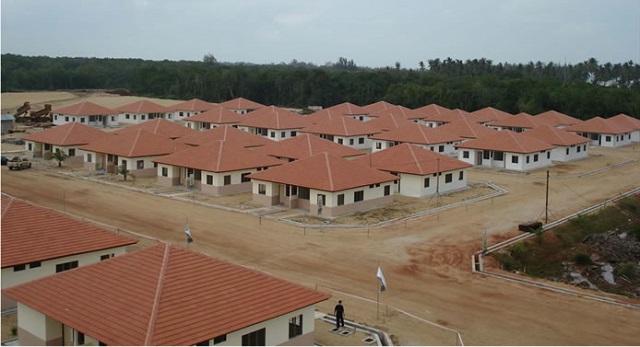
“There are various conversations taking place with different stakeholders. In the past, residents of informal settlements were relocated and settled in decent houses constructed with the support of non-governmental organisations. There is a desire to do that as soon as funding partners are found,” he said.
“We have seen various initiatives championed by various organisations (churches, aid organisations) there are also savings clubs and youth mentorship opportunities to help empower those who reside in squatter camps, they are therefore not ignored,” he said.
Clr Moyo also highlighted that the city council was giving medical assistance to the inhabitants of the informal settlements that are hotspots for diseases such as typhoid, diarrhoea, dysentery, cholera and many more.
“The city health department has ongoing outreach activities to ensure that infants and expecting mothers are catered for. There is also a medical facility that caters to those who require medication for chronic conditions such as asthma, hypertension and diabetes,” he said.
A permanent solution would be the availability of low-cost accommodation but we cannot set timelines at this stage because of resource limitations.
The Government has been working on ensuring the provision of decent accommodation for citizens in the country’s cities and towns as part of efforts to realise the achievement of an upper-middle-income society, which is the import of Vision 2030.


 Online Reporter