

 admin
adminopening a meeting for health technocrats held to disseminate information on the safety and effectiveness of the Non-pneumatic Anti Shock Garment (NASG) in Harare yesterday, Health and Child Welfare Secretary Dr Gerald Gwinji said Government welcomed all research to reduce pregnancy-related deaths and complications.
The NASG is a garment used to treat shock, resuscitate, stabilise and prevent further bleeding in women with severe bleeding.
It applies circumferential counter pressure to the lower body and uterus which increases circulating blood to the heart, lungs and brain and decreases the rate of blood flow in the abdomen and pelvis, thus decreasing blood loss.
“My ministry is looking forward to working with the research team to roll out the NASG to all provincial and district hospitals and to all rural health centres in the country,” Dr Gwinji said.
He said rollout of NASG should be accompanied by frequent and regular training of health workers on effective use of the device.
Dr Gwinji said in the long term, the NASG should be incorporated into the curricula of nursing and medical staff.
He said once resources were available, Government would start the rollout.
Presently the garment is being used at Parirenyatwa and Harare Central hospitals.
Severe bleeding (haemorrhage) is the second cause of maternal deaths after HIV and Aids accounting for about 14 percent of all deaths.
Haemorrhage leads to shock, marked by decreased oxygen in the vital organs; shock leads to multi organ dysfunction syndrome and death.
The maternal mortality ratio continues to increase from 725 per 100 000 live births in 2007 to 925 per 100 000 live births meaning at least 12 women die every day due to pregnancy-related complications.



 Online Reporter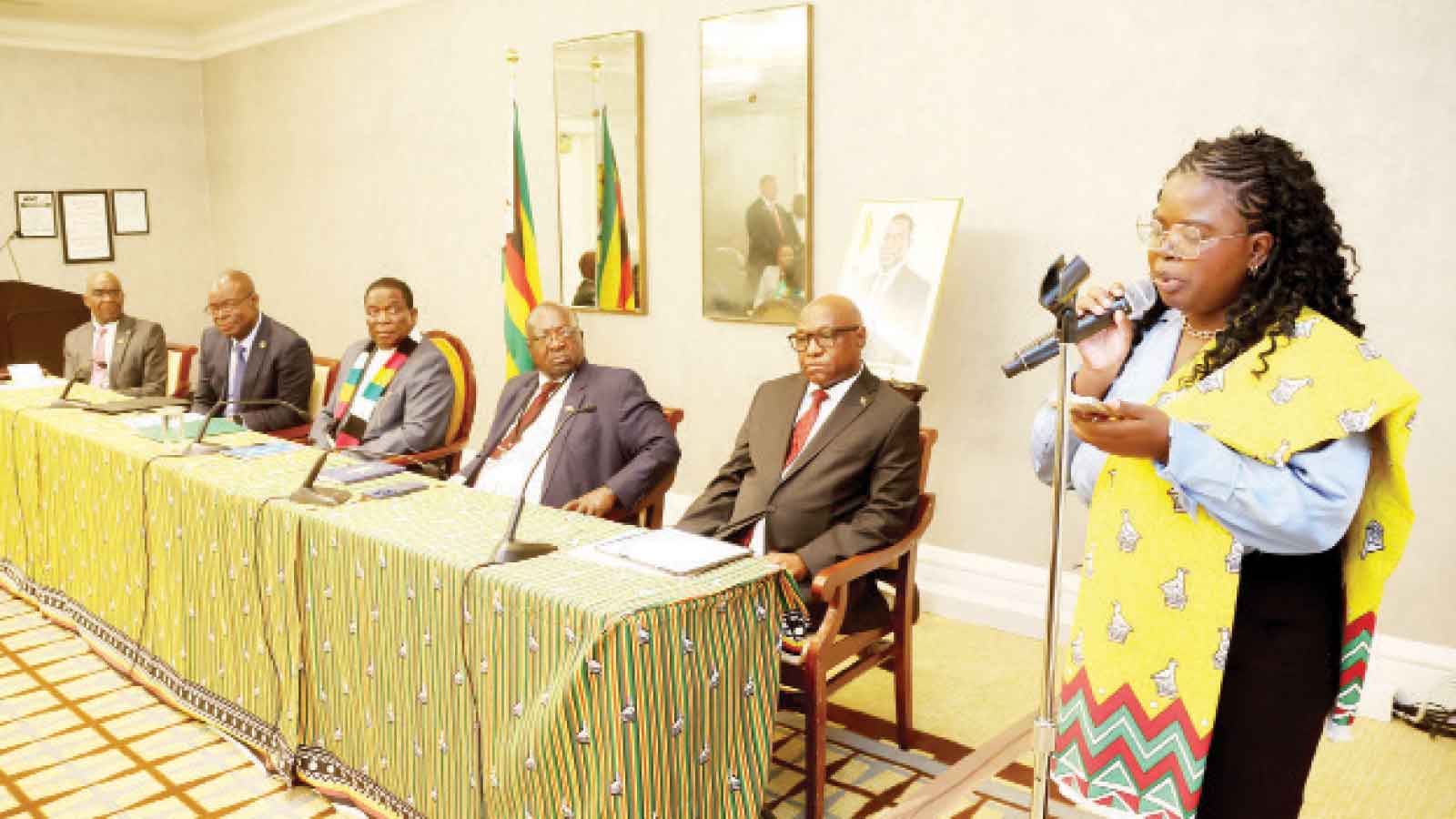
 dyton mupawaenda