Online Reporter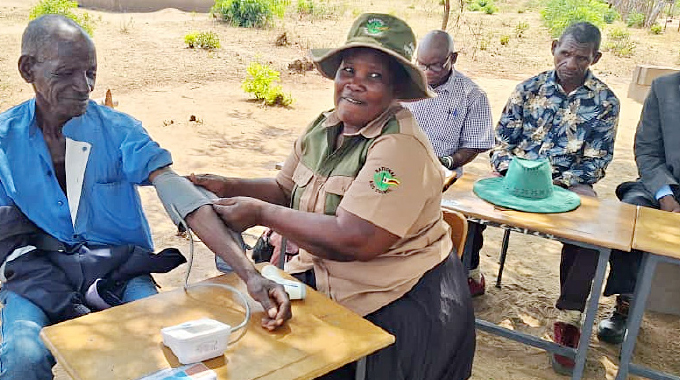
Mkhululi Ncube in Lupane
MEN from Zamani Village in Lupane District, Matabeleland North Province, have commended the “Male Engagement Programme” led by the National Aids Council (NAC) for bringing essential health services closer to their homes.
Speaking during a NAC media tour, the men said the initiative was instrumental in expanding their understanding of HIV-related issues and the role they must play in achieving the goal of eradicating the virus by 2030.
The male engagement initiative is one of NAC’s key interventions in Lupane District, co-ordinated by a Behaviour Change Community Mobiliser (BCCM). There are 20 BCCMs in the district — 12 women and eight men — who conduct behaviour change sessions. Each BCCM works with a group of 20 men per quarter.
“Before this project began, very few men went for health check-ups, as men generally avoid hospitals unless they are seriously ill. Men would rather rely on women to go for HIV testing to determine their own status. But the BCCM educates us and also checks for conditions like hypertension,” said village head, Mr Kennedy Mavhuto.
He said more men were now receiving HIV and sexually transmitted infection (STI) education near their homes, eliminating the need to travel long distances.
By introducing the BCCM, Mr Mavhuto said the community is now empowered to engage men directly in familiar settings.
“When we go to hospital, the treatment we receive is different from the sessions we host in our own spaces, where we feel free to speak openly — even about sensitive issues. As a community leader, I’ve witnessed positive changes among men in this area,” he said.
Mr Khumbulani Dube, who has been involved in the programme since its inception, said he now understands the importance of male circumcision and its role in HIV prevention.
He added that the BCCM-led sessions have helped reduce STI cases in the village.
“Our clinics are far apart, which discourages some men from seeking help. But with the male engagement programme, we can even call our BCCM representative from home, and they’ll come to check on us.
“We also receive supplies of prevention products like condoms, which are not easily accessible at health centres as they are often placed in open areas,” said Mr Dube.
Mr Philip Dube, a village health worker, said the programme was vital in bridging generational gaps by bringing together youth and older men. He noted that teenagers are engaging in sexual activity at increasingly younger ages, making their inclusion in the programme essential.
Mr Dube also stressed the importance of prioritising education for children, warning that school dropouts are more vulnerable to risky behaviours that increase the risk of HIV infection.
NAC Lupane District Programme Assistant, Miss Thandolwenkosi Vela, said the initiative is being implemented across 20 wards in the district to reach more men.
She said that the programme also includes education on non-communicable diseases such as hypertension and cancer, which can shorten the lifespan of individuals living with HIV.
“We have 12 women and eight men trained to conduct these programmes in the district.
“The sessions are held in groups of 20 and also on an individual basis. Our BCCMs are equipped with machines to check blood pressure and temperature, and for diabetes-related concerns, they collaborate with local clinics,” she said.
Miss Vela added that BCCMs are trained to respond appropriately when they identify health concerns during check-ups.
Lupane District ranks fourth highest in the province in terms of HIV cases, with 13 138 people living with the virus. Spousal separation remains one of the main drivers of HIV transmission in the district. — @themkhust